 My Plumbing Tech
What Is Hydro Jetting? A Commercial Drain and Sewer Guide
Quick Answers for Property & Facility Managers
What is hydro jetting?
Hydro jetting is a commercial drain and sewer cleaning method that uses a specialized pump, hose, and nozzle to propel high-pressure water through piping. The water cuts through grease, sludge, scale, roots, and other buildup, then carries loosened material downstream for recovery. It is most effective after inspection confirms the pipe can safely withstand the selected pressure.
Is hydro jetting safe for commercial plumbing pipes?
Hydro jetting is generally appropriate for structurally sound commercial drain and sewer piping when performed by a qualified contractor using a camera inspection and pressure suited to the pipe material and condition. It can worsen damage in collapsed, severely cracked, displaced, or deteriorated piping. Inspection, access planning, containment, and documented operating limits reduce risk.
When should a facility manager choose hydro jetting instead of snaking?
Choose hydro jetting when recurring blockages are caused by grease, sludge, scale, or heavy deposits that a cable may only puncture. A drain cable can restore flow quickly through a localized obstruction, but hydro jetting cleans more of the pipe wall. Camera findings should determine whether cleaning, spot repair, lining, or full replacement is the appropriate project.
What Is Hydro Jetting for Commercial Drains and Sewers?
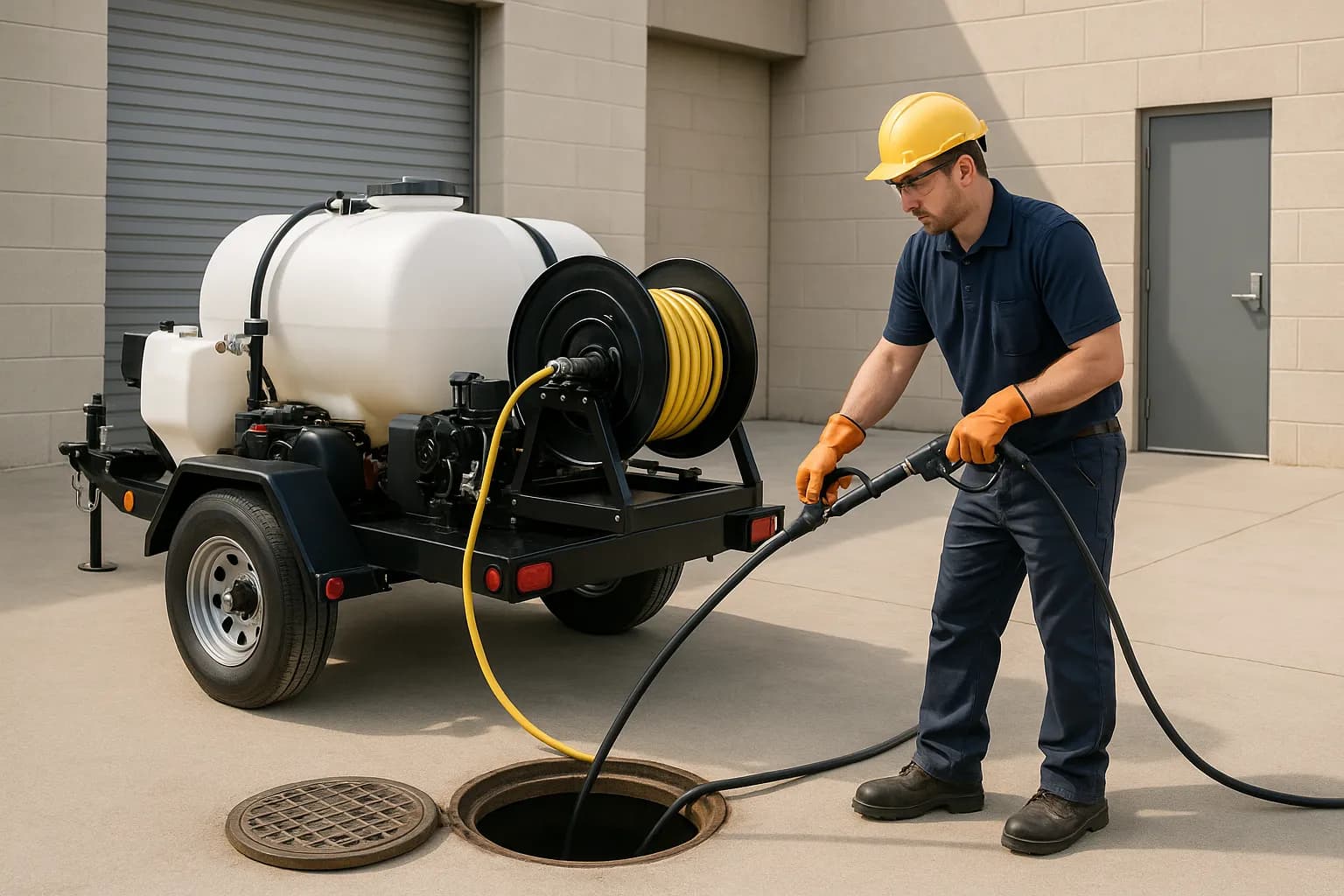
What is hydro jetting in a commercial setting? It is a controlled cleaning process that sends high-pressure water through a drain or sewer line using a pump, hose, and specialized nozzle. Nozzles may be selected to scour pipe walls, pull the hose through the line, cut roots, or move loosened debris toward an approved recovery point. The objective is not simply to open a blockage; it is to remove accumulated material across the accessible pipe interior.
Hydro jetting is used in office buildings, retail centers, healthcare facilities, warehouses, institutional properties, multifamily buildings, restaurants, and industrial sites. Typical targets include sanitary mains, branch drains, storm drainage where permitted, parking-area sewer lines, kitchen waste lines, and process drains. It does not replace water-supply cleaning, water-heater service, backflow testing, gas-piping work, or leak detection on pressurized distribution systems.
For facility managers and property managers, the practical question is whether cleaning will restore reliable capacity and reduce emergency calls, or whether the pipe requires repair or replacement. A contractor should document the line, obstruction, pipe condition, access points, cleaning method, and post-service result.
How Commercial Hydro Jetting Works: Inspection to Verification
- Review the complaint and operating history. Identify recurring stoppages, slow fixtures, backups, odors, tenant impacts, previous repairs, and the affected building areas.
- Locate and verify access. Confirm cleanouts, manholes, floor drains, grease-interceptor access, downstream discharge points, isolation needs, and areas requiring protection from wastewater or splash.
- Inspect the line with a camera when access and diameter permit. Look for grease, scale, roots, foreign objects, cracks, open joints, offset joints, corrosion, deformation, standing water, and collapse.
- Select equipment and controls. The contractor should match the pump, hose, nozzle, water supply, pressure, flow, and recovery plan to pipe diameter, material, condition, and obstruction type rather than use a one-size-fits-all setting.
- Jet from an appropriate access point. The nozzle is advanced and retracted in a controlled manner so deposits are cut from the pipe wall and transported to a designated downstream access or recovery location.
- Manage debris and wastewater. Jetted material should be captured, removed, and disposed of under the property’s procedures and applicable local requirements. Grease and contaminated wastewater must not be casually discharged onto pavement, landscaping, or storm inlets.
- Verify the result. Reinspect with a camera when appropriate, confirm flow, record remaining defects, and obtain before-and-after media. For critical healthcare, industrial, or multi-tenant systems, include a written service report and recommended maintenance interval.
Drain and Sewer Applications by Commercial Building Type
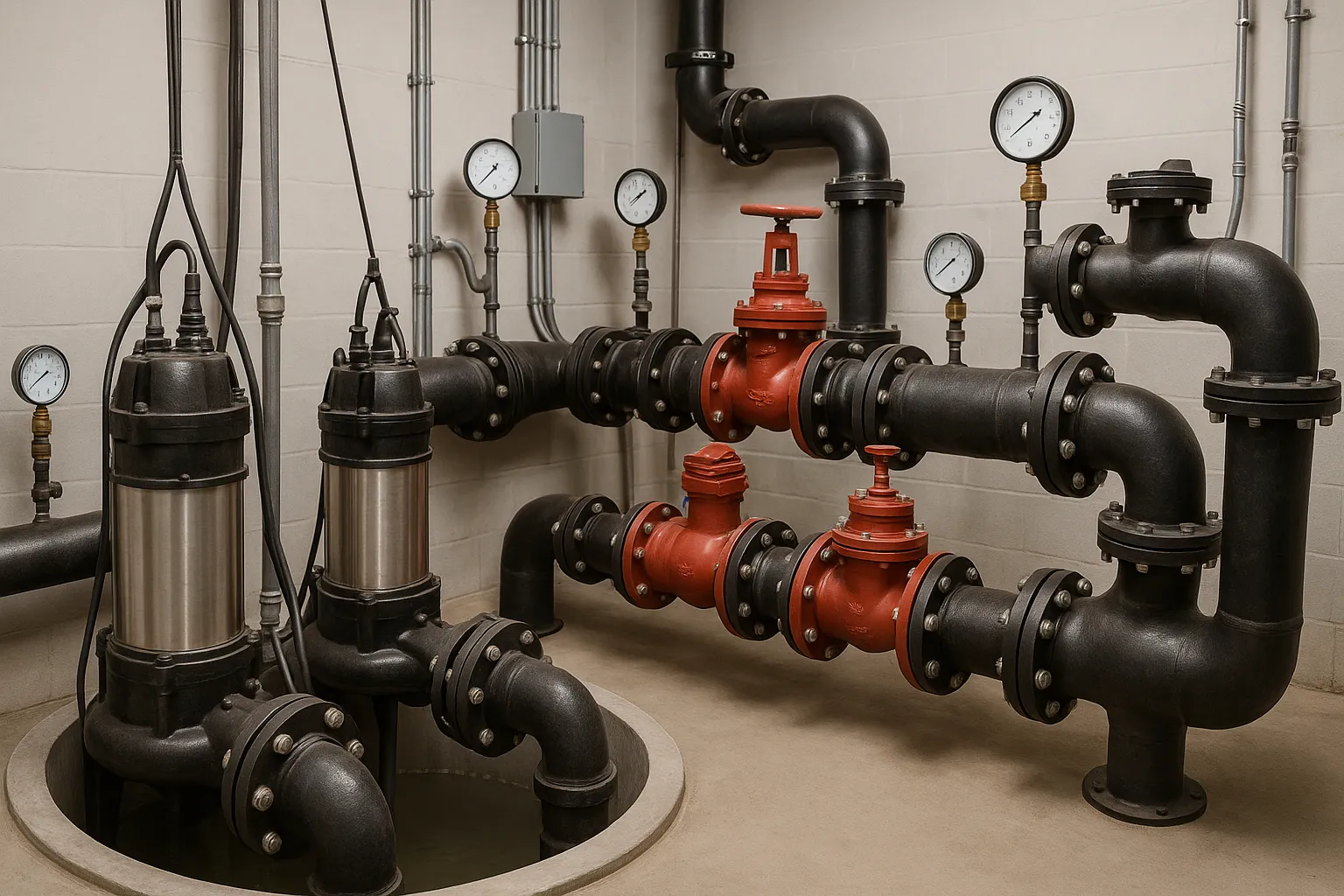
Offices and retail: Main sanitary lines commonly collect paper, sediment, and tenant-related debris. Schedule work during low-occupancy periods and coordinate restroom closures, retail trading hours, loading access, and tenant notifications.
Healthcare and institutional buildings: Protect infection-control areas, clinical operations, sensitive equipment, and emergency access. Establish containment, traffic-control, odor-control, and notification procedures before work begins. Critical drainage may require contingency access and an outage plan.
Warehouses and industrial facilities: Inspect process drains, trench drains, floor drains, and high-loading-area sewers for sediment, solids, oils, or production waste. Confirm whether wastewater requires special handling and whether the line is connected to sanitary, storm, or process systems.
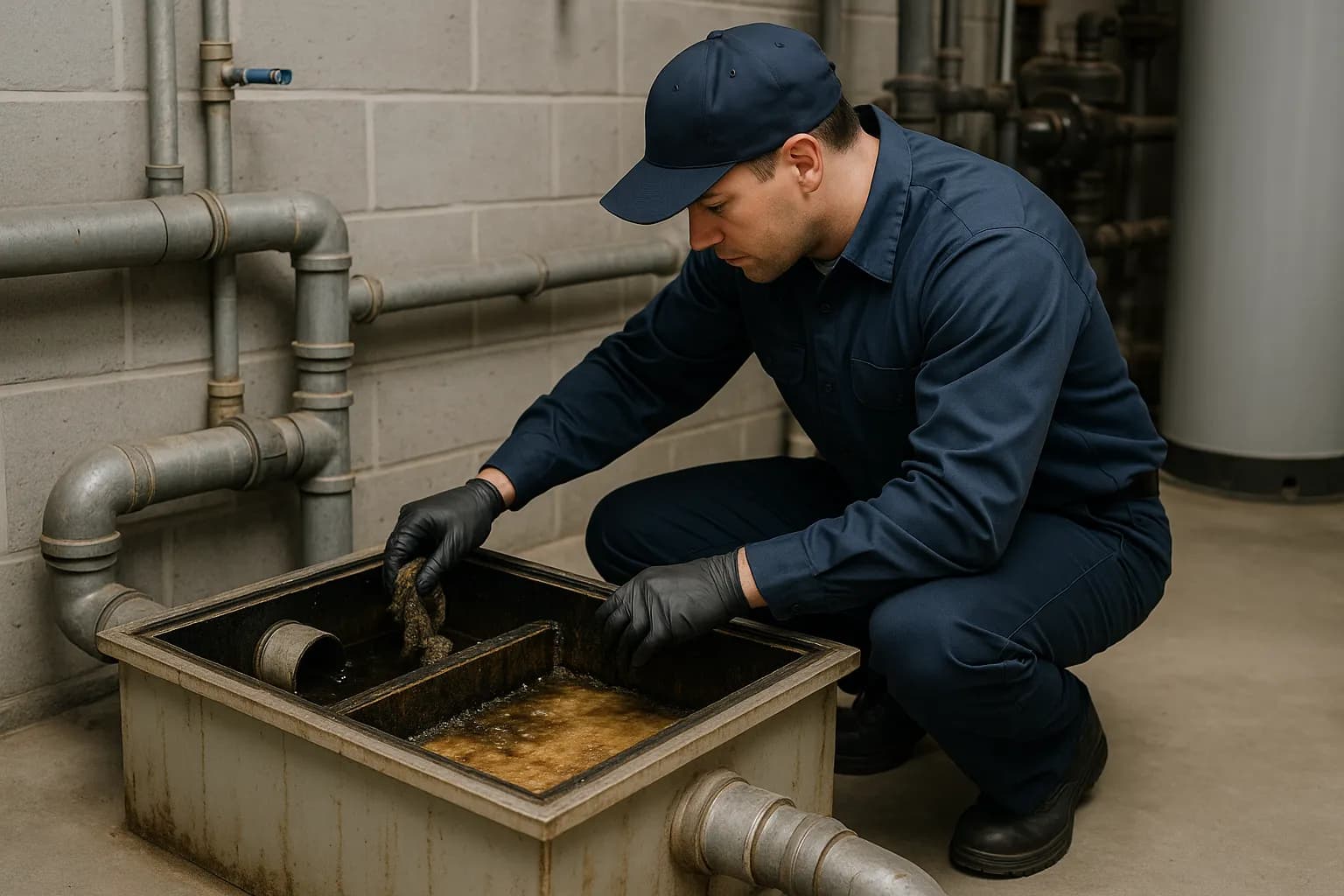
Food service and multifamily properties: Kitchen waste lines and shared sanitary mains may experience recurring grease and solids accumulation. Hydro jetting can clean connecting lines, but it does not eliminate the need to pump and maintain grease interceptors or correct improper discharge practices.
Hydro Jetting, Grease Interceptors, and Plumbing-System Boundaries
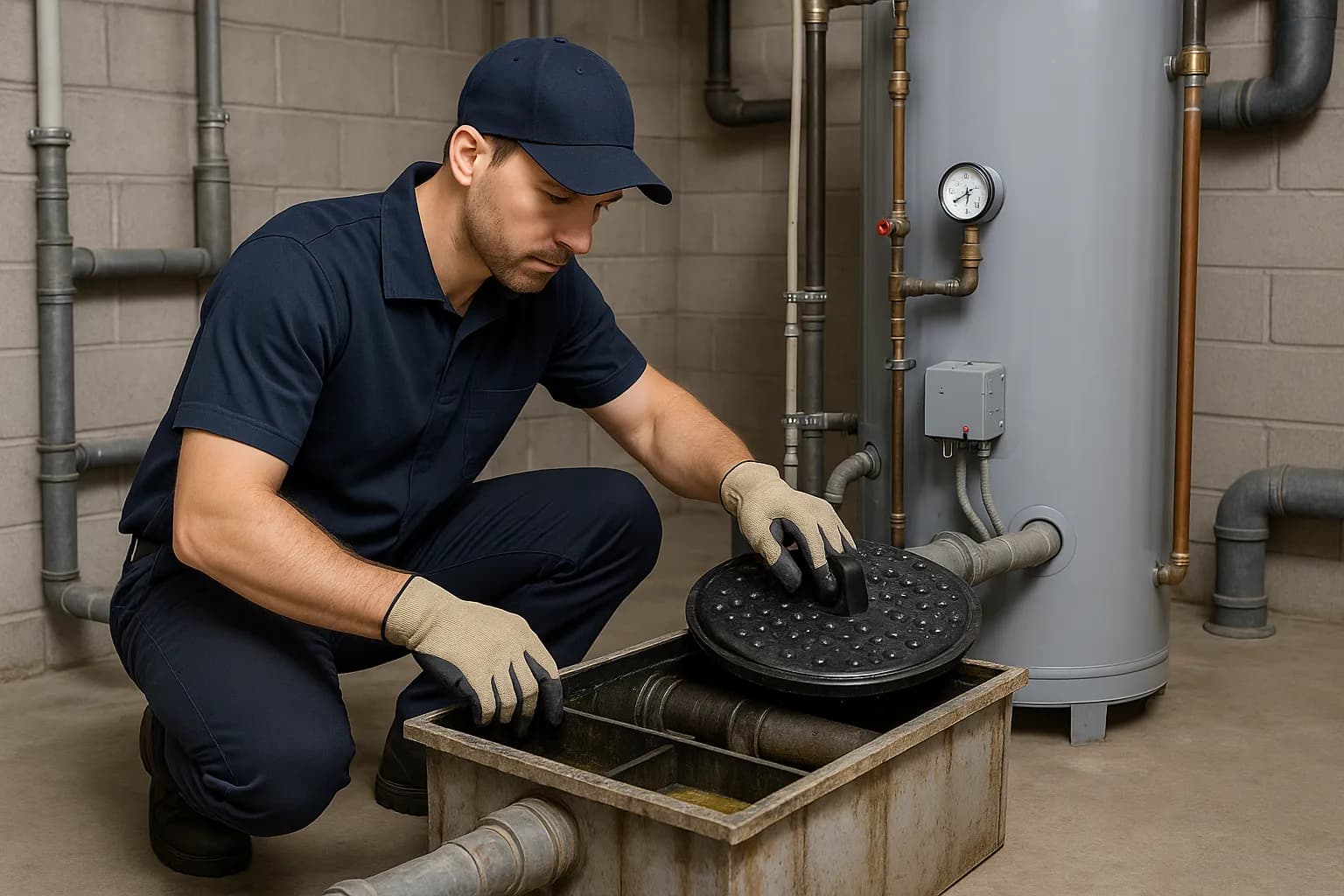
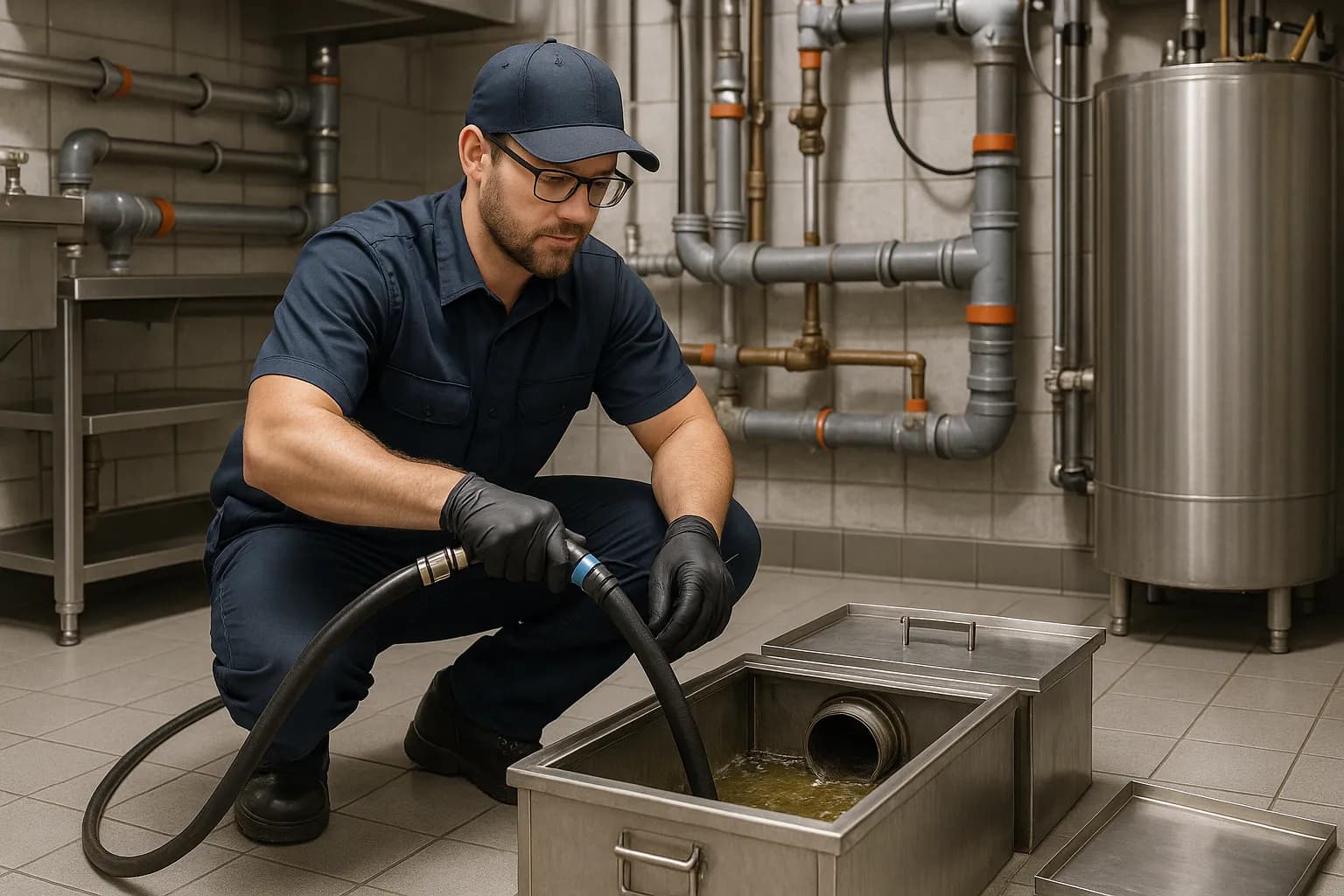
Hydro jetting can clean piping upstream or downstream of a grease interceptor when the contractor has suitable access and the work is permitted. It is not a substitute for interceptor pumping, inspection, baffle maintenance, flow-control components, or a documented service schedule. Gravity grease-interceptor sizing and installation are governed by the adopted plumbing code and local requirements; the International Plumbing Code includes capacity provisions based on peak drain flow and retention time.
Before approving work, identify whether the line carries sanitary, storm, process, or grease-laden wastewater. Confirm the closest downstream manhole or cleanout, prevent cross-contamination, and require debris removal. Coordinate with the authority having jurisdiction when discharge, access, traffic control, or environmental handling requirements apply.
Hydro jetting generally addresses Drain and Sewer piping. It does not service Water Supply / Distribution piping, commercial or tankless Water Heaters, Backflow Prevention assemblies, or Gas Piping. Those systems require separate inspection, testing, flushing, repair, or replacement procedures. A building-wide plumbing assessment should keep each system’s scope and isolation plan distinct.
Risks, Safety, and Code Coordination for Property Managers
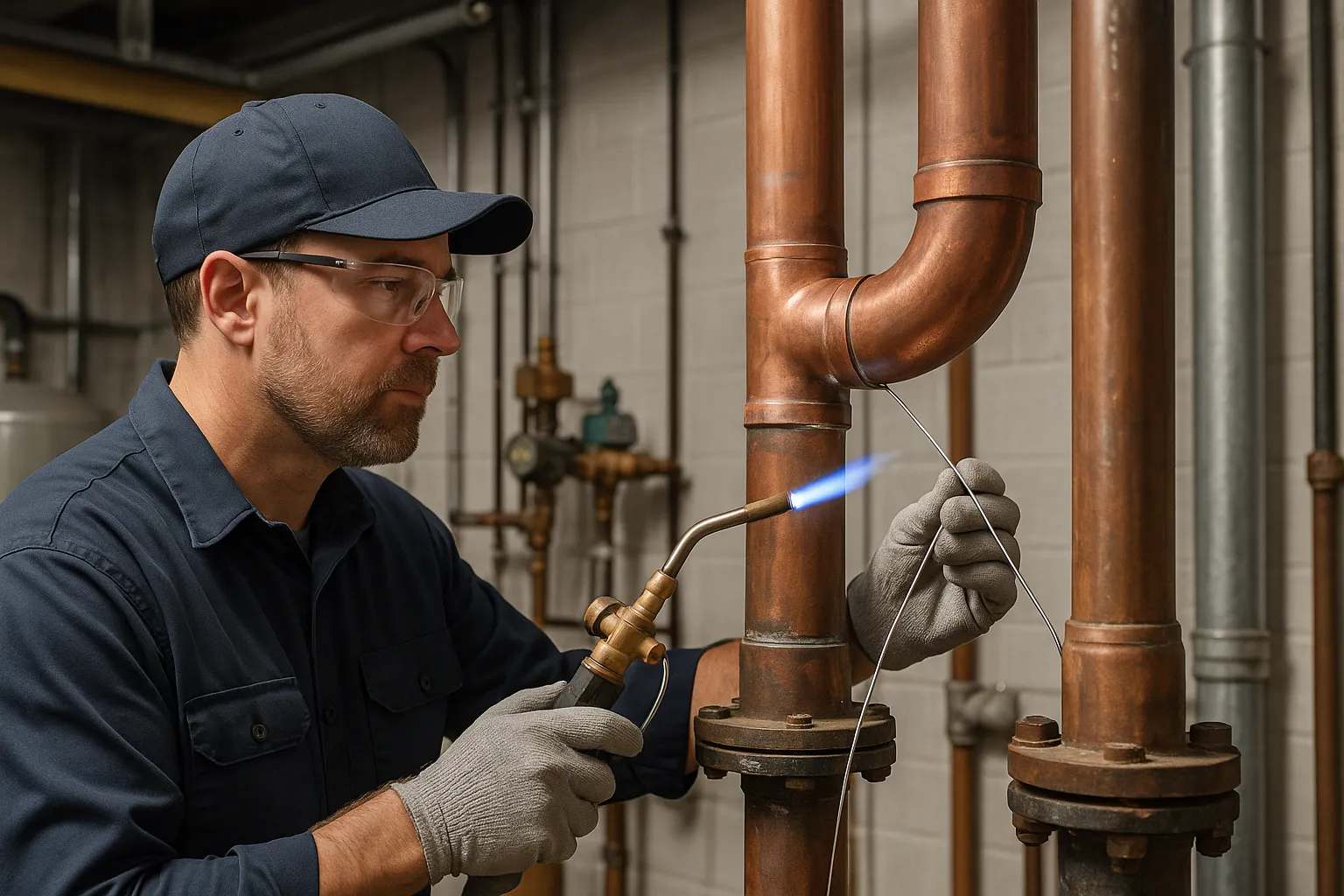
High-pressure water can penetrate skin, inject contaminated material, propel debris, create hose or coupling hazards, and produce significant noise. The work area should be controlled, unauthorized personnel kept clear, and operators equipped and trained for the equipment. Require documented procedures for personal protective equipment, hose inspection, nozzle control, emergency response, confined spaces, electrical exposure, wastewater contact, and housekeeping.
Do not approve jetting solely because a line is blocked. A contractor should identify whether the pipe is structurally suitable and whether cleaning could expose a defect. If the camera shows collapse, severe corrosion, repeated joint displacement, or a fragile lining, discuss spot repair, cured-in-place lining where appropriate, excavation, or full replacement instead.
Coordinate with the adopted IPC, UPC, state or local plumbing code, utility requirements, wastewater authority, and building policies. Code compliance may affect cleanout access, backwater protection, grease-interceptor arrangements, backflow prevention, fixture connections, indirect waste, venting, gas piping, and permits. The contractor’s report should distinguish observed conditions from code conclusions and identify when an engineer or authority review is required.
Cost and ROI: Cleaning, Repair, Maintenance, or Replacement?
Hydro jetting is usually a maintenance or corrective-cleaning expense, but pricing varies with line diameter, length, access, obstruction, water and recovery requirements, camera inspection, emergency timing, building occupancy, and disposal. Obtain a written scope instead of comparing hourly rates alone. Ask whether mobilization, inspection, jetting, vacuum recovery, disposal, traffic control, after-hours work, and reporting are included.
- Choose cleaning when the pipe is structurally sound and buildup is the primary cause of restricted flow.
- Choose a repair when a localized crack, offset, root entry, failed connection, or damaged section is documented and can be addressed without replacing the full run.
- Choose rehabilitation or replacement when defects are widespread, the pipe has collapsed, capacity is inadequate, or recurring cleaning does not restore reliable service.
- Measure ROI through avoided emergency calls, reduced tenant disruption, fewer water or sewage incidents, lower cleanup exposure, improved drainage reliability, and defensible maintenance records—not an assumed percentage savings.
EPA WaterSense guidance identifies regular meter reading, flow monitoring, visual inspection, and leak detection as commercial water-management practices. Those measures complement sewer maintenance: a facility can reduce avoidable water loss while separately controlling drainage failures. Track work orders by line, cause, date, footage cleaned, camera findings, and recurrence so future budgets distinguish planned maintenance from capital replacement.
Commercial Hydro Jetting Buyer Checklist
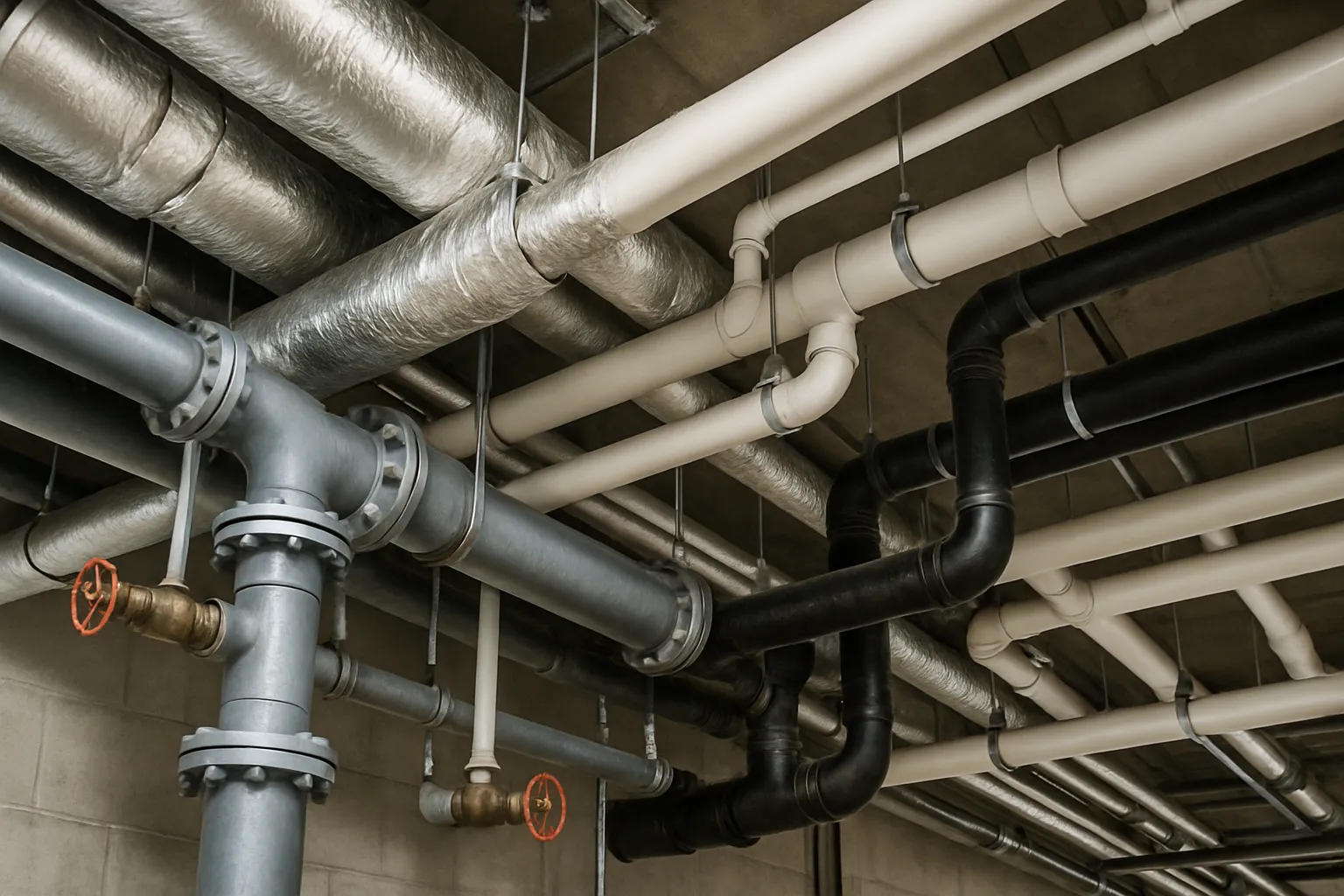
- Request a camera inspection or a documented reason it is not feasible.
- Provide pipe material, approximate diameter, drawings, cleanout locations, access restrictions, and previous service records.
- Require a written method statement covering pressure selection, nozzle type, water source, containment, recovery, disposal, and emergency response.
- Confirm licensing, insurance, training, confined-space procedures, and experience with occupied commercial buildings.
- Coordinate tenant notices, shutdowns, infection-control controls, food-service requirements, security access, and after-hours work.
- Require before-and-after video or photographs where practical, a condition report, flow verification, and repair recommendations.
- Schedule follow-up inspections based on observed loading and recurrence, not an arbitrary interval.
Frequently Asked Questions
How much does commercial hydro jetting cost?
Commercial hydro jetting has no reliable universal price because cost depends on pipe size and length, access, obstruction type, camera inspection, water supply, wastewater recovery, disposal, emergency timing, and building restrictions. Request itemized proposals that separate inspection, jetting, vacuum recovery, disposal, after-hours labor, traffic control, and reporting. Compare the documented scope and expected service life with repair or replacement alternatives.
Can hydro jetting damage old commercial sewer pipes?
Yes. Hydro jetting can aggravate severely deteriorated, cracked, displaced, collapsed, or thin-walled piping if pressure and nozzle selection are unsuitable. A camera inspection should identify structural defects before cleaning, and the contractor should match operating parameters to the pipe material and condition. If the line is compromised, discuss spot repair, lining, excavation, or replacement rather than treating cleaning as a structural fix.
Does hydro jetting replace grease-interceptor pumping?
No. Hydro jetting cleans connected drain piping; it does not replace pumping, inspecting, and maintaining a grease interceptor. Food-service and multifamily properties should coordinate interceptor service with line cleaning, verify access and flow-control components, and follow the adopted plumbing code, wastewater authority requirements, and site-specific discharge procedures. Improper grease management can cause recurring blockages even after a successful jetting visit.
How often should a commercial building schedule hydro jetting?
There is no universal interval. Base the schedule on camera findings, pipe loading, grease or sediment generation, occupancy, historical blockages, interceptor performance, and the operational consequences of a backup. A facility manager can begin with documented corrective cleaning, then establish preventive service only after tracking recurrence. Critical healthcare, industrial, and high-occupancy systems may justify condition-based inspections and planned after-hours maintenance.
What should a property manager verify after hydro jetting?
Verify restored flow, cleanout and manhole condition, removal of jetted debris, wastewater containment, and protection of occupied areas. Request a service report identifying the line, access points, equipment, observed defects, work performed, remaining restrictions, and recommendations. Where practical, obtain post-cleaning camera footage. If defects remain, budget separately for repair or replacement instead of assuming another cleaning will solve the underlying problem.
Related Reading on My Plumbing Tech
- 2024 New Mexico Plumbing Code Adoption: What Facility Managers Need to Know
- Commercial Plumbing Standards Update: IAPMO Signs MOUs with CIPHE and ASPE
Find a Qualified Commercial Plumbing Contractor
Need help acting on this? Browse commercial plumbers in your area, or explore commercial plumbing services like preventative maintenance, inspections, and emergency response. Are you a contractor? List your business on My Plumbing Tech to reach property and facility managers actively searching for help.