 My Plumbing Tech
Commercial Plumbing Standards Update: IAPMO Signs MOUs with CIPHE and ASPE
Quick Answers for Property & Facility Managers
What do IAPMO’s new agreements with CIPHE and ASPE mean for commercial properties?
They signal stronger collaboration on plumbing standards, training, and professional development, which can influence how commercial systems are specified, inspected, and maintained. For property teams, that matters because code-aligned design, better documentation, and qualified trades help reduce compliance risk, warranty disputes, and operating interruptions.
Should facility managers expect an immediate code change from these MOUs?
No immediate code change is implied by the memorandums themselves. The practical impact is indirect: the agreements may support future harmonization of best practices, education, and standards that inform IPC, UPC, local AHJ expectations, and manufacturer requirements over time.
Why should commercial real estate teams care about international plumbing collaboration?
Commercial portfolios often span multiple jurisdictions, asset types, and contractor networks. Greater alignment among leading plumbing organizations can improve consistency in submittals, commissioning, backflow prevention, cross-connection control, and maintenance planning across office, retail, industrial, healthcare, and multifamily assets.
IAPMO’s MOUs Matter Because Commercial Plumbing Is a Compliance System, Not Just a Utility
IAPMO’s signing of memorandums of understanding with the Chartered Institute of Plumbing and Heating Engineering (CIPHE) and the American Society of Plumbing Engineers (ASPE) during the 14th World Plumbing Conference in Birmingham is a standards-and-education story with practical implications for commercial properties. The agreements are aimed at expanding international collaboration on plumbing standards, training, and professional development, which can indirectly influence how commercial plumbing systems are designed, installed, inspected, and maintained across jurisdictions.
For facility managers, property managers, building owners, and commercial real estate professionals, the takeaway is not a new code requirement overnight. The larger signal is a move toward more coordinated professional practice among organizations that influence plumbing system design and code interpretation. That matters when a property portfolio includes office buildings, retail centers, warehouses, healthcare facilities, multifamily assets, or institutional buildings that depend on reliable water supply, drainage, sanitary performance, and backflow protection.
Why Standards Alignment Affects Operating Risk, Capital Planning, and Tenant Downtime
Commercial plumbing failures rarely stay isolated. A backflow issue can interrupt a tenant suite, a booster pump problem can reduce service pressure across multiple floors, and a drain or sewer defect can escalate into odor complaints, shutdowns, or environmental remediation. When major plumbing organizations collaborate on standards and professional development, the result can be better consistency in system design and maintenance expectations, which helps owners and managers reduce avoidable risk.
That consistency is especially important in buildings where plumbing systems are complex and interconnected. Healthcare and institutional assets may require more stringent backflow control and cross-connection prevention. Industrial and warehouse properties may depend on high-capacity drainage, gas piping, and lift station performance. Multifamily and mixed-use properties often need coordinated domestic water, sanitary, grease management, and domestic hot water systems that meet both code and tenant service expectations.
- Better standards alignment can support more predictable submittals and permitting.
- Clearer professional guidance can reduce installation errors that create later maintenance costs.
- Improved training can help reduce callbacks, warranty disputes, and inspection delays.
What Facility and Property Managers Should Review in Their Plumbing Programs Now
Even though the MOUs do not change local code by themselves, they are a good reminder to audit plumbing programs against current requirements and manufacturer specifications. Commercial owners should confirm that design and service vendors are aligning with the applicable IPC or UPC, local amendments, and the Authority Having Jurisdiction (AHJ). In many markets, permit and inspection requirements also affect how repairs, repiping, backflow devices, water heaters, and sewer work are approved.
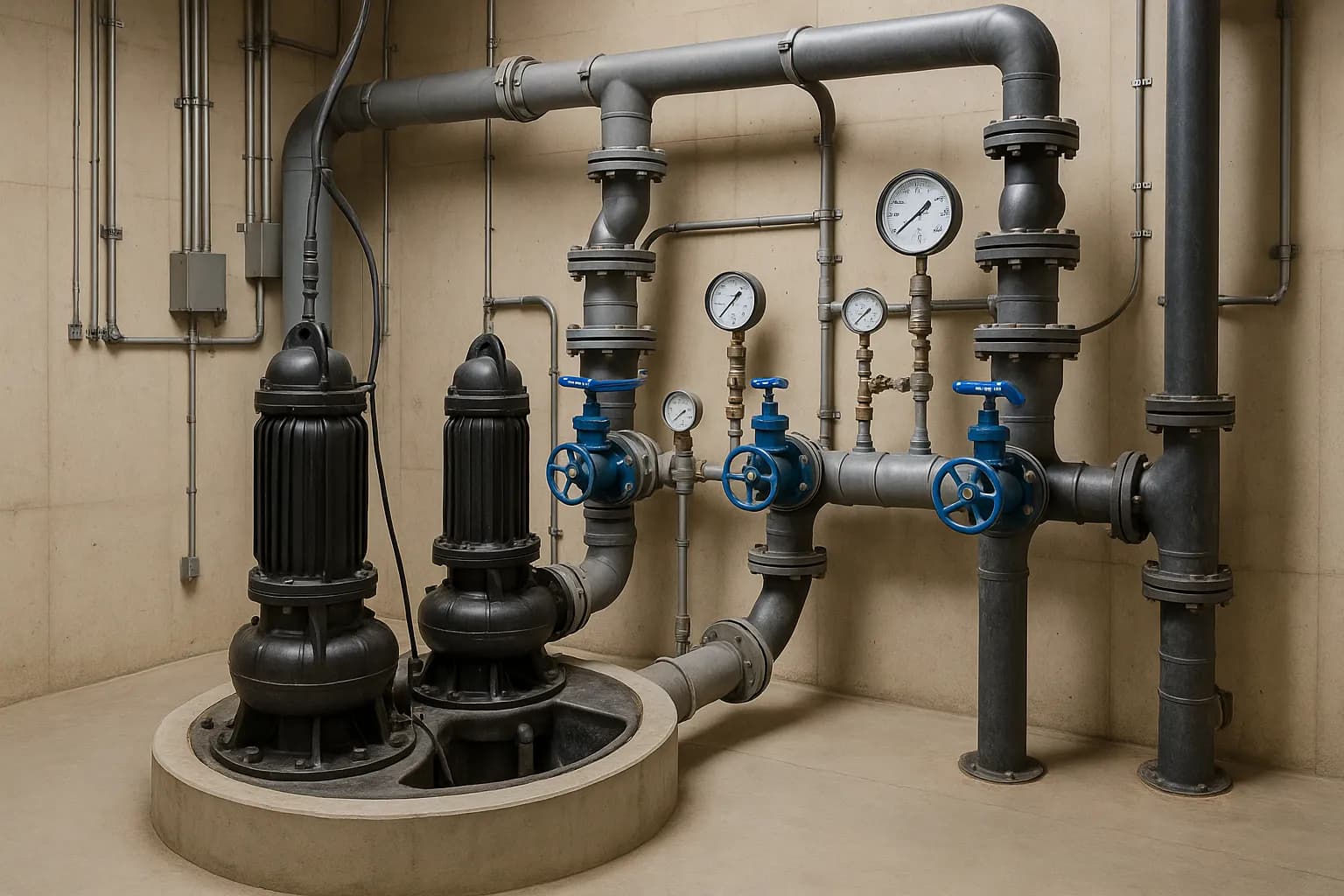
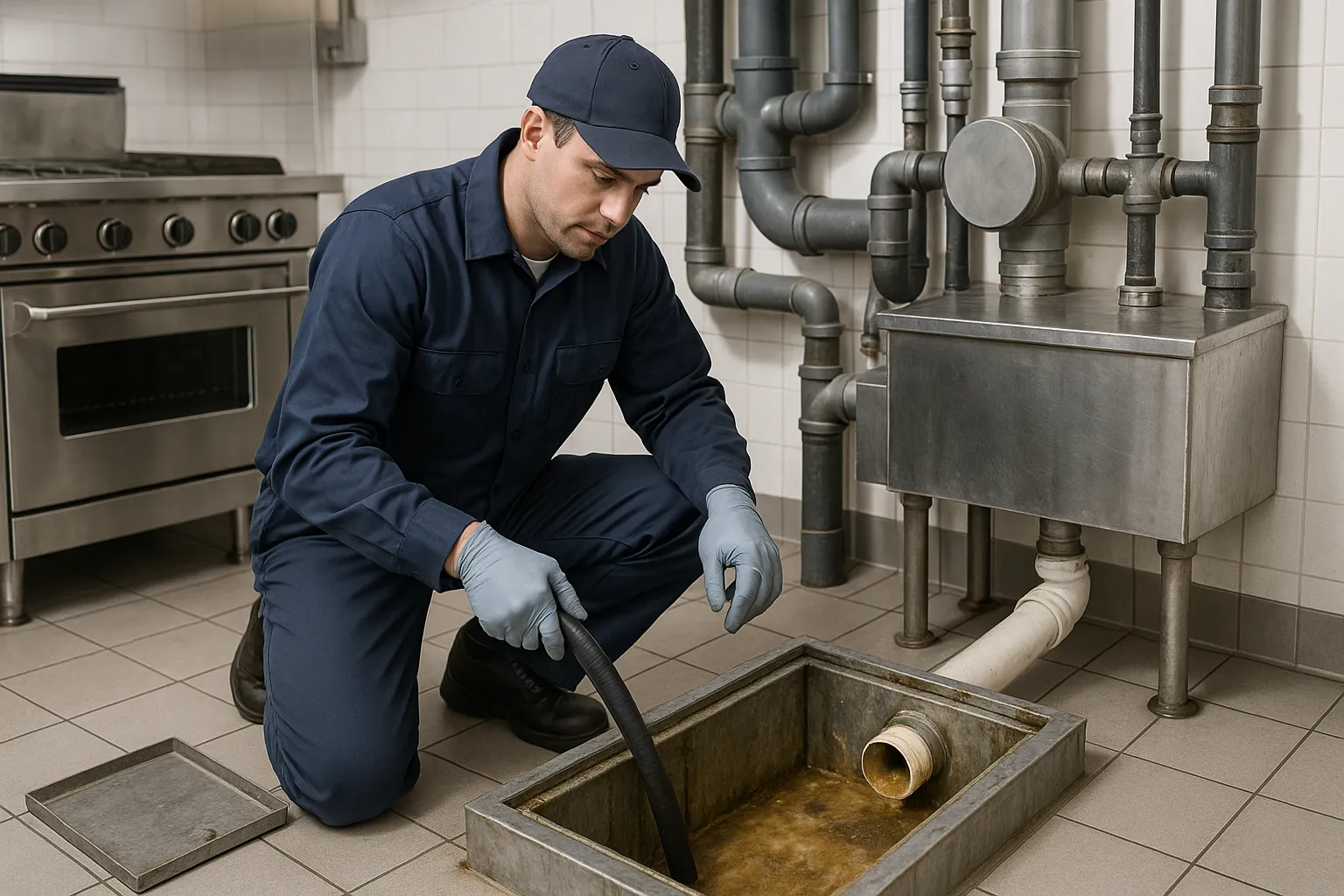
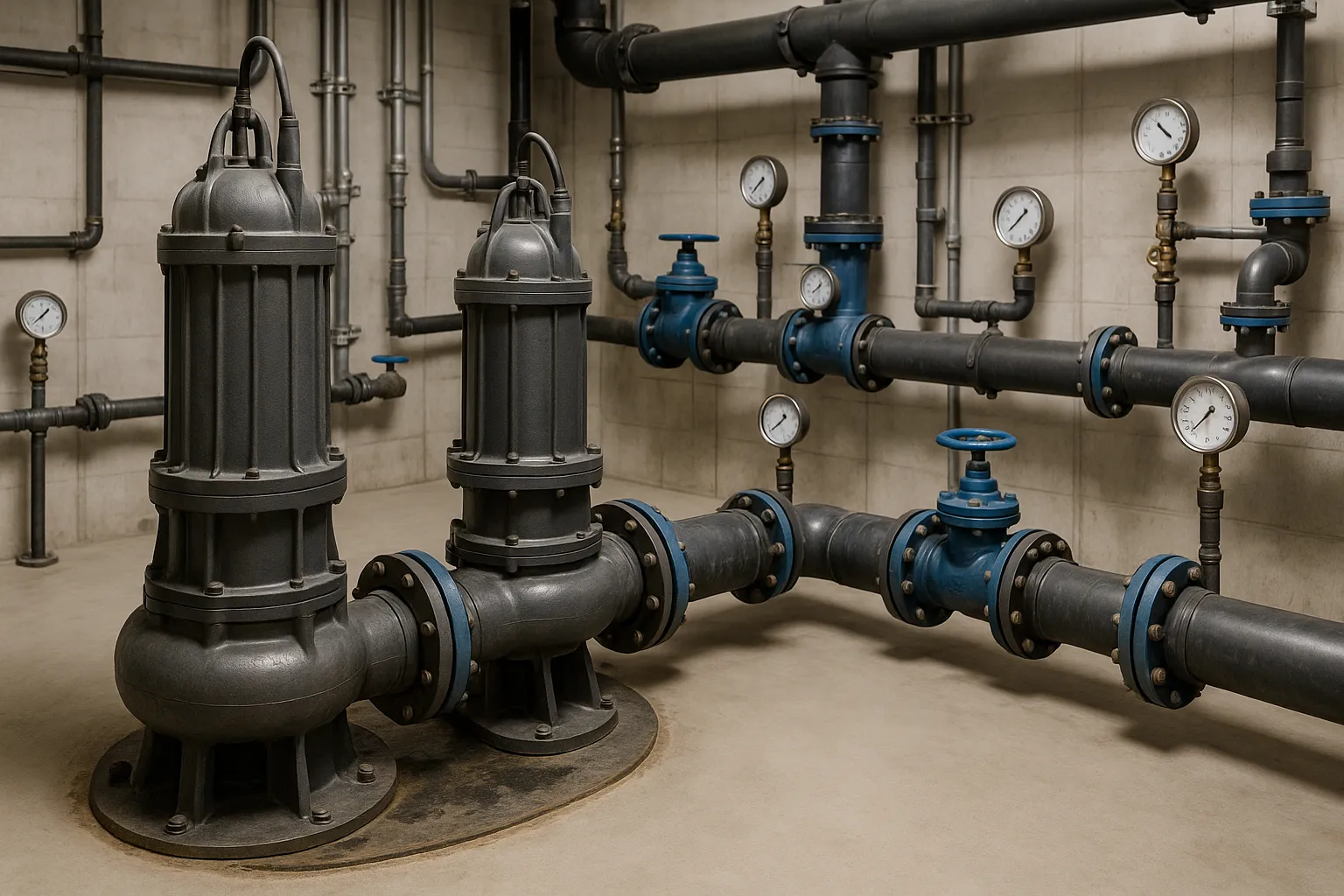
For ongoing operations, the highest-value review areas usually include backflow prevention and testing, grease interceptor maintenance, drain and sewer condition assessments, commercial water heater performance, sump and lift station reliability, and booster pump controls. These are the systems most likely to affect tenant comfort, business continuity, and health-and-safety compliance.
- Verify that backflow devices are tested on schedule by qualified personnel and documented for AHJ review.
- Check that grease interceptor service intervals match actual loading, not just a generic calendar.
- Confirm that commercial water heater and recirculation systems are operating within manufacturer requirements.
How the IPC, UPC, ASSE, EPA, and OSHA Fit into the Real-World Compliance Picture
For commercial plumbing teams, standards language only matters when it connects to code, safety, and inspections. The IPC and UPC establish the framework many jurisdictions use for plumbing design and installation. ASSE standards are commonly referenced for backflow prevention and cross-connection control devices and methods. EPA cross-connection control principles also matter where potable water protection is a concern, especially in facilities with irrigation, process water, fire protection interfaces, or cooling-related systems.
OSHA considerations enter the picture when plumbing work involves confined spaces, hazardous atmospheres, hot work, excavation, or exposure to biological contamination from sewer failures. For owners and managers, this means the right plumbing partner should be able to coordinate with building operations, permit offices, infection control teams where applicable, and tenant leadership to keep work compliant and safe.
What This Means for Different Building Types and Asset Classes
The value of stronger international cooperation is different depending on the property type. In office buildings, the biggest benefits tend to be predictable service pressure, code-compliant fixture performance, and minimal disruption during repairs. In retail and hospitality assets, grease management, drainage capacity, and hot water reliability often have direct tenant and customer impacts. In industrial and warehouse facilities, gas piping, utility distribution, and high-demand drainage systems may need more specialized design review.
In healthcare and institutional properties, the consequences of plumbing failures are higher because water quality, cross-connection protection, and system uptime are tightly tied to operations. Multifamily and mixed-use portfolios also benefit from more consistent standards because one defect can affect many occupants at once. In each case, better alignment among professional organizations can help owners specify more defensible scopes of work and reduce variability between contractors.
- Office: prioritize pressure consistency, leak detection, and documentation.
- Retail: focus on drainage, grease, tenant fit-out coordination, and shutdown planning.
- Industrial and warehouse: review gas piping, booster systems, and high-capacity drainage.
- Healthcare and institutional: emphasize backflow, water quality, and code rigor.
Practical Next Steps for Commercial Property Teams
Facility and property managers should treat this news as a prompt to strengthen their plumbing governance, not as a headline to watch passively. Start by reviewing current inspection logs, test reports, asset registers, and deferred maintenance items. Confirm that any current or upcoming capital project includes code review by a qualified plumbing engineer or licensed commercial plumbing contractor familiar with local amendments and AHJ expectations.
It is also a good time to ask vendors whether they are current on IPC and UPC requirements, backflow testing credentials, grease interceptor service protocols, and manufacturer warranty conditions. For larger portfolios, standardizing these questions across all properties can improve procurement consistency and reduce project variance.
When commercial plumbing is managed as part of an asset protection strategy, collaboration between standards bodies has real value. It supports better specification language, more consistent installation practices, and a lower chance that a plumbing issue becomes an operational or legal problem later.
Frequently Asked Questions
How do plumbing standards changes affect commercial property value and operating risk?
Standards changes can influence how reliably plumbing systems are designed, inspected, and maintained, which affects downtime, compliance exposure, and lifecycle costs. For commercial owners, the ROI usually shows up in fewer emergency repairs, smoother permits and inspections, stronger warranty compliance, and better tenant continuity across multi-tenant or mission-critical buildings.
What should a facility manager ask a plumbing contractor after news like this?
Ask whether the contractor works to the current IPC or UPC adopted by your jurisdiction, understands local AHJ requirements, and can document compliance for backflow testing, grease interceptors, repiping, water heaters, and sewer repairs. Also confirm licensing, insurance, manufacturer authorization where relevant, and experience with your building type.
Does international collaboration affect backflow prevention and cross-connection control?
Yes, indirectly. When leading plumbing organizations coordinate on standards and training, it can improve consistency in backflow prevention practices, testing expectations, and cross-connection control methods. That matters for commercial buildings because potable water protection is a critical compliance and liability issue, especially in healthcare, multifamily, and mixed-use properties.
What commercial plumbing systems should be prioritized in a portfolio review?
The highest-priority systems are usually backflow prevention assemblies, domestic water pressure systems, water heaters, drain and sewer lines, grease interceptors, sump and lift stations, booster pumps, and any gas piping serving tenant or mechanical equipment. These systems most directly affect safety, uptime, and code compliance.
How can commercial real estate teams reduce plumbing-related downtime?
Use preventive maintenance, document inspection and test intervals, and plan repairs around tenant operations. A strong program includes scheduled backflow testing, sewer and drain condition assessments, leak detection, service reviews for pumps and water heaters, and clear escalation procedures with licensed commercial plumbing vendors.
Related Reading on My Plumbing Tech
- Commercial Water Heater Repair: Practical Guide for Facility and Property Managers
- Commercial Plumbing Code Updates for Facility Managers: What the 2027 International Codes Mean
Find a Qualified Commercial Plumbing Contractor
Need help acting on this? Browse commercial plumbers in your area, or explore commercial plumbing services like preventative maintenance, inspections, and emergency response. Are you a contractor? List your business on My Plumbing Tech to reach property and facility managers actively searching for help.
Originally sourced from IAPMO Newsroom