 My Plumbing Tech
Commercial Water Heater Repair: Practical Guide for Facility and Property Managers
Quick Answers for Property & Facility Managers
What should facility managers check first when a commercial water heater fails?
Start with safety and utilities: verify gas and electrical shutoffs, check for leaks or combustion issues, confirm venting and combustion air, then assess controls, thermostats, and recirculation pumps. Do not open combustion chambers or gas trains without a licensed commercial plumber; focus on safe isolation and documentation for rapid repair.
When does commercial water heater repair stop making sense compared to full replacement?
Repair is usually justified for isolated component failures on relatively young, non-corroded units. Once tanks are leaking, heavily corroded, or past expected service life, and repairs are frequent or impact uptime, replacement with higher-efficiency equipment typically delivers better lifecycle ROI and reliability for commercial facilities.
How often should commercial water heaters be inspected in commercial buildings?
Many jurisdictions require external inspection of commercial hot water heaters at least annually, with internal inspections every few years depending on ASME, National Board, and local boiler rules.[2][9][13] Facility managers should align inspection schedules with local code, risk management, and manufacturer guidance.
Commercial water heater repair: why it matters for facility and property managers
For commercial buildings, commercial water heater repair is not a minor maintenance task—it is a business continuity and risk management issue. Downtime impacts tenants, patients, guests, and production lines, while unsafe repairs expose owners and managers to fire, scalding, and Legionella risk.[8] Aligning repair decisions with codes, manufacturer guidance, and inspection standards is essential in offices, retail, healthcare, warehouses, and multifamily properties.[2][9][13]
Commercial water heaters in these facilities commonly include gas-fired storage tanks, tankless/instantaneous units, and boilers with indirect storage, often integrated with recirculation lines, mixing valves, booster pumps, and backflow assemblies.[1][5][14][15] A structured approach helps managers decide whether to repair, maintain, or replace and to coordinate effectively with commercial plumbing contractors in marketplaces like My Plumbing Tech.
Safety and compliance checklist before any commercial water heater repair
Facility and property managers should treat every commercial water heater repair event as a safety-critical intervention. Gas-fired appliances are governed by NFPA 54 (National Fuel Gas Code) and related fire codes, which require proper installation, combustion safeguards, flame failure protection, and safe venting.[11][7][10][12] ASME and National Board rules set inspection requirements for hot water heaters and supply boilers.[2][9][13]
Pre-repair safety checks for gas and electric units
- Clear access and egress: Ensure the mechanical room is clear, well-lit, with unobstructed access to shutoff valves, service panels, and floor drains.[4]
- Identify and label shutoffs: Confirm location and labeling of gas stop cocks, electrical disconnects, cold water inlet valves, and hot outlet isolation valves for the heater and nearby recirculation loops.[13]
- Combustion air and venting: Verify that vents are intact, properly supported, and not blocked, and that combustion air openings are unobstructed.[4][13] Signs of backdrafting such as soot or scorch marks warrant immediate shutdown and professional inspection.
- Temperature and pressure relief (T&P) valve: Confirm the relief valve is present, correctly installed, with discharge piping terminating safely and showing no corrosion, dripping, or evidence of tampering.[4][13]
- Gas safety: Follow manufacturer and gas code guidance—if gas odor is present, shut down equipment and contact the gas supplier or qualified service personnel from a safe location.[6][12]
- Electrical safety: For electric and hybrid units, ensure disconnects are locked out before any panel is opened, in line with facility lockout/tagout procedures.
Managers should ensure all repairs are performed by qualified plumbers or service agencies familiar with commercial water heater standards and local boiler/pressure vessel regulations.[1][5][9] Documenting these checks supports insurance, risk management, and audit requirements.
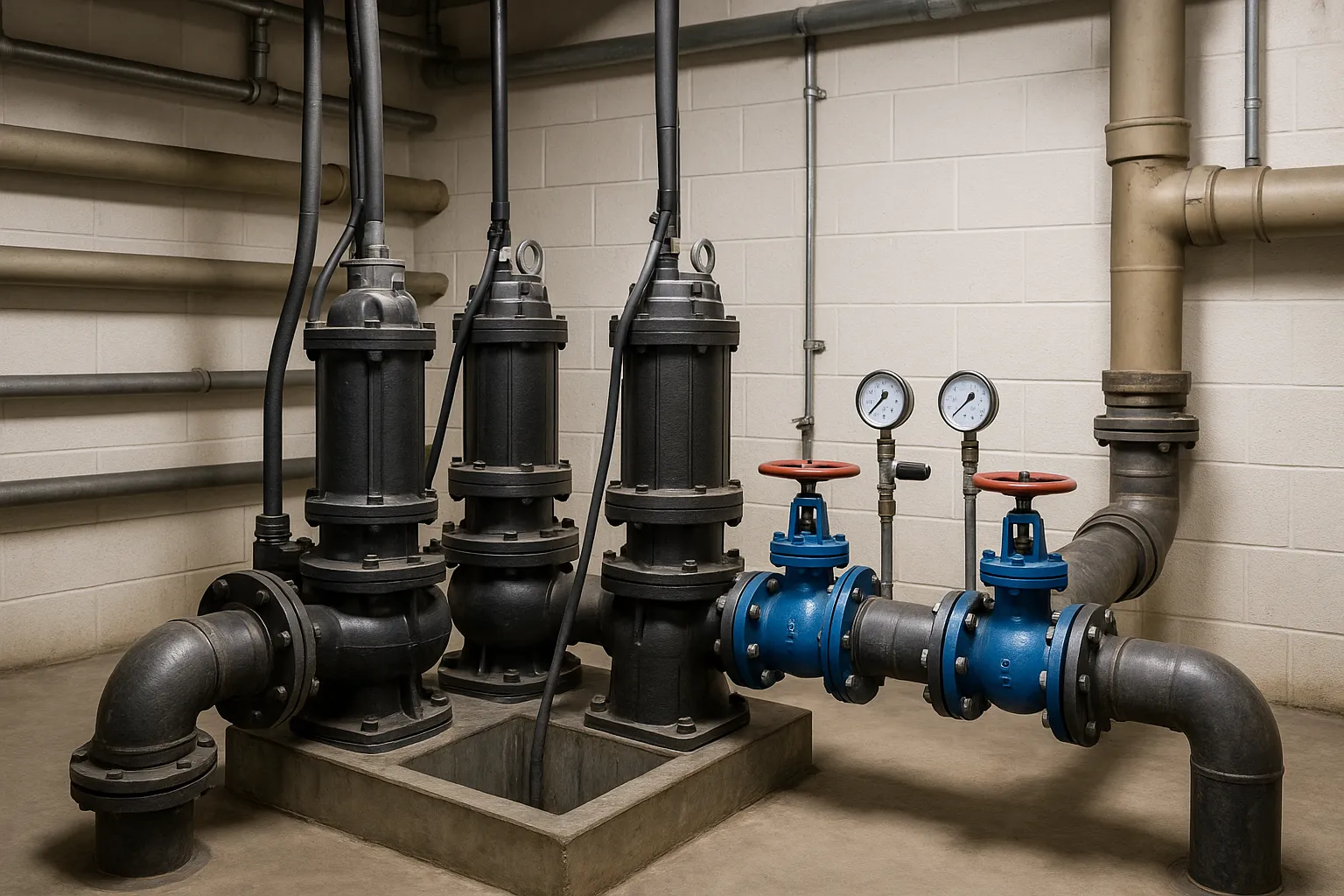
Diagnosing commercial water heater problems: practical steps for managers
While hands-on repair belongs to licensed professionals, facility managers can accelerate resolution by performing safe diagnostics and gathering information before calling a contractor. This improves repair outcomes and reduces downtime.
Operational diagnostics checklist
- Verify demand and load: Confirm whether complaints are localized (one tenant or zone) or building-wide. In hotels and healthcare facilities, correlate issues with occupancy and hot water peak times.
- Visual inspection of heater and piping: Walk the heater, cold inlet, hot outlet, recirculation lines, expansion tank, and drain pans. Note corrosion, leaks, sweating fittings, or insulation damage.[4][13]
- Check controls and indicators: Observe thermostats, controllers, fault codes, and indicator lights. Many commercial units provide error codes that guide technicians to ignition, sensor, or flow problems.[1][15]
- Recirculation and mixing: Verify recirculation pump operation (noise, vibration, temperature differential) and check mixing valve behavior for stable, safe delivery temperatures.[4][14]
- Temperature sampling: Take hot water temperature readings at representative fixtures to identify whether the issue is localized (branch piping, mixing valve) or system-wide.[14]
- Water quality and sediment: In hard-water areas, scale and sediment buildup in tanks and heat exchangers can significantly reduce output and efficiency, often visible as noisy operation or reduced flow.[3][14]
Collecting these observations, along with make, model, serial number, age, past service records, and recent plumbing modifications, gives commercial plumbers the context needed to plan repair scope and parts before arriving onsite.
Common commercial water heater repair scopes and related building systems
Commercial water heater repair typically focuses on isolated components, controls, and associated plumbing, but problems can cascade into drain, sewer, backflow, and gas piping systems. Understanding typical repair scopes helps managers anticipate downtime and cost.
Typical repair items on gas and electric commercial heaters
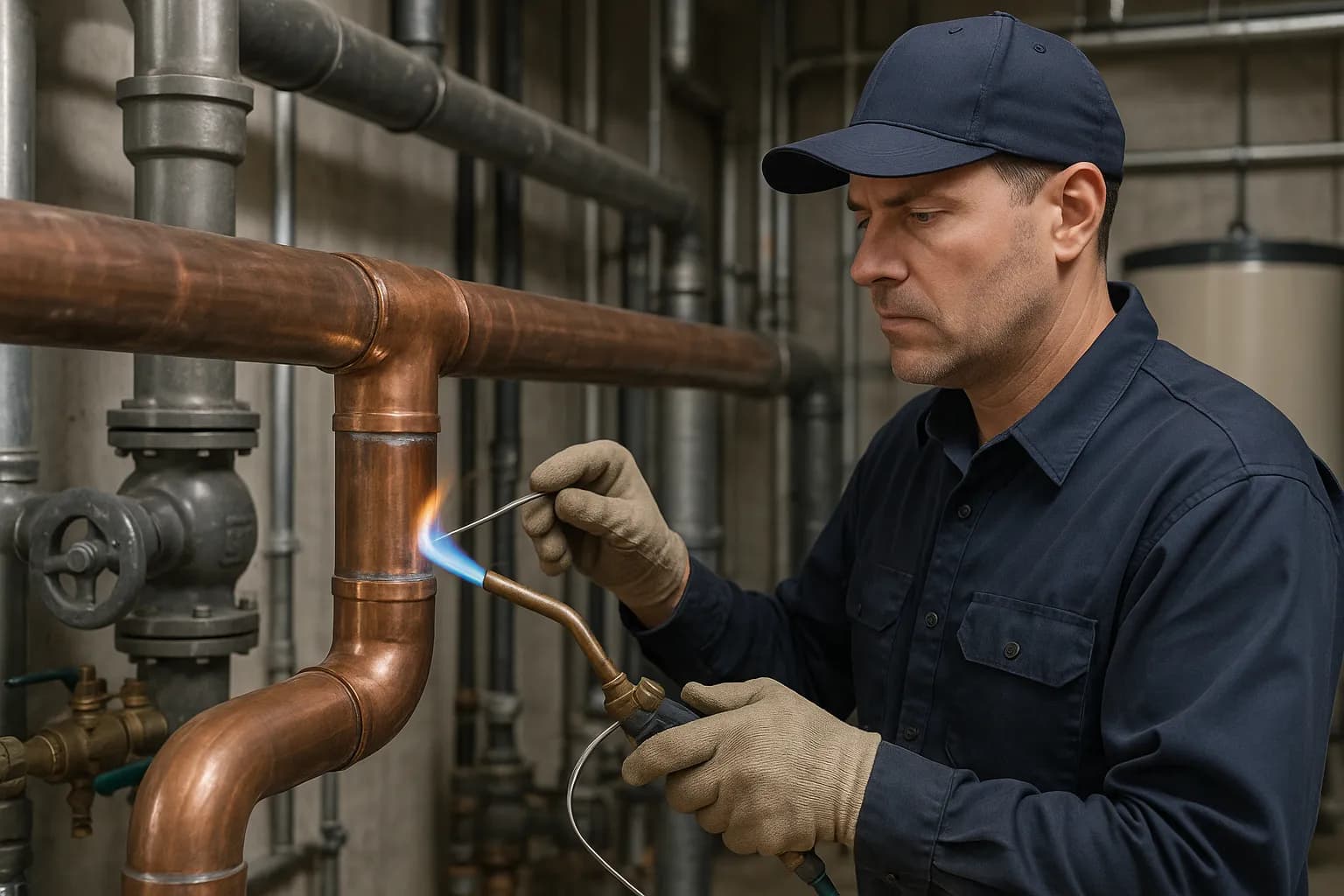
- Ignition and burner repairs: For gas units, technicians may clean or replace burner assemblies, pilot or ignition systems, and flame sensors to comply with NFPA and manufacturer safeguards that prevent abnormal gas discharge in case of flame failure.[7][10][11]
- Thermostats and controls: Faulty thermostats, aquastats, or electronic controllers can cause temperature swings, short cycling, or shutdowns. Repair restores stable outlet temperatures and reduces scald and Legionella risk.[3][8][14]
- Heating elements (electric units): Burned-out elements are replaced after verifying power and controls, typically requiring safe isolation of electricity and water pressure.[15]
- Anode rod replacement: For tank-style heaters, periodic anode rod inspection and replacement protects the tank lining from corrosion and extends service life.[3][14] This is often done during scheduled maintenance but may be part of a repair plan to prevent premature tank failure.
- Pump and valve repairs: Recirculation pumps, check valves, balancing valves, and mixing valves may be repaired or replaced when hot water distribution is uneven or temperatures are unstable.[14][15]
Connected systems: drain, sewer, backflow, and gas piping
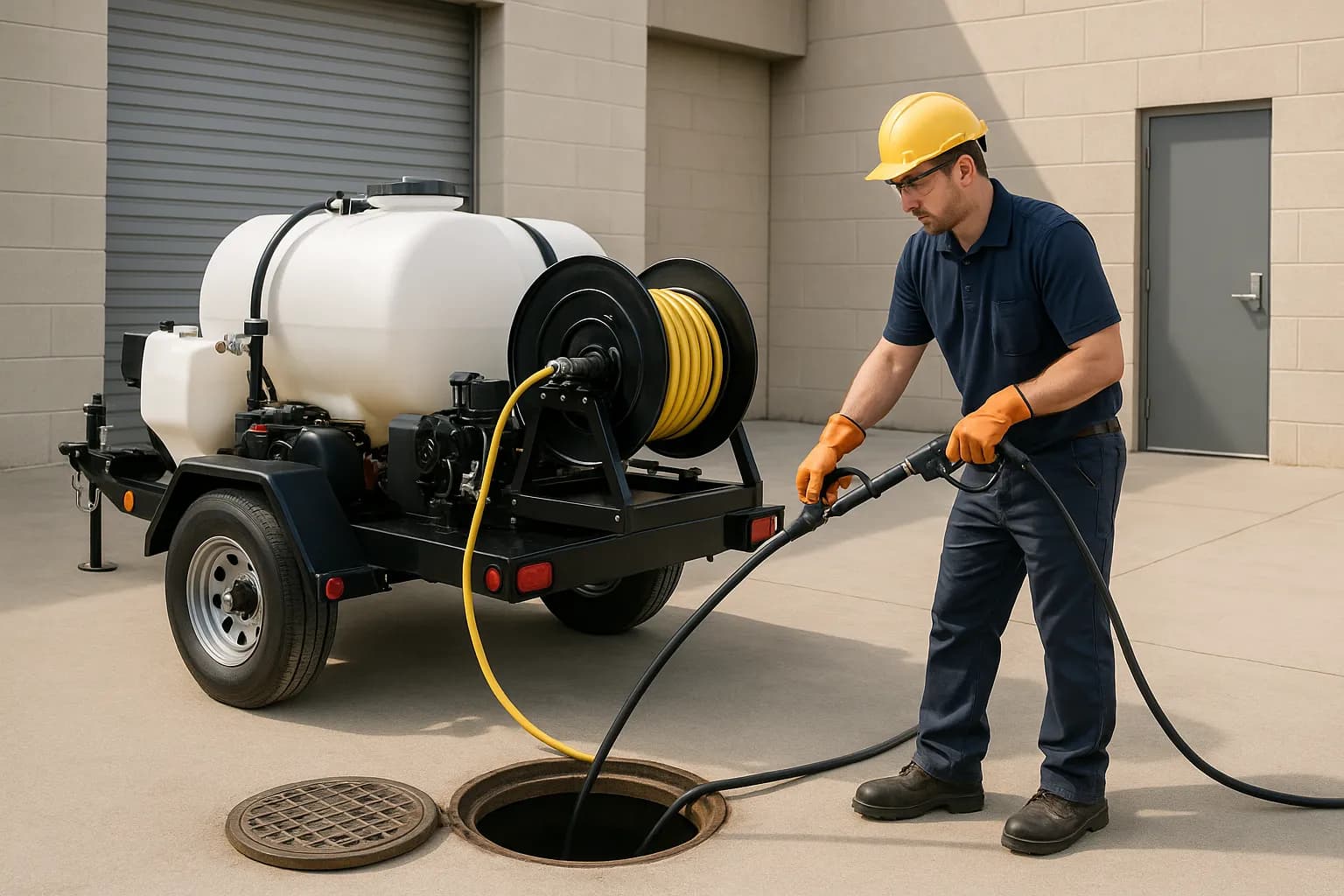
- Drain and sewer: Drain pans, floor drains, and indirect waste lines around heaters must be clear to safely handle leaks or discharge during flushing and repair. Blocked drains increase flood and mold risk.
- Water supply / distribution: Cold water inlets, isolation valves, and branch piping must be mapped and accessible to isolate zones during repair without shutting down the entire building.[13]
- Backflow prevention: Many commercial hot water systems include backflow preventers that must remain operational and tested to protect potable supplies, especially when heaters connect to process loads or chemical feeders.[8]
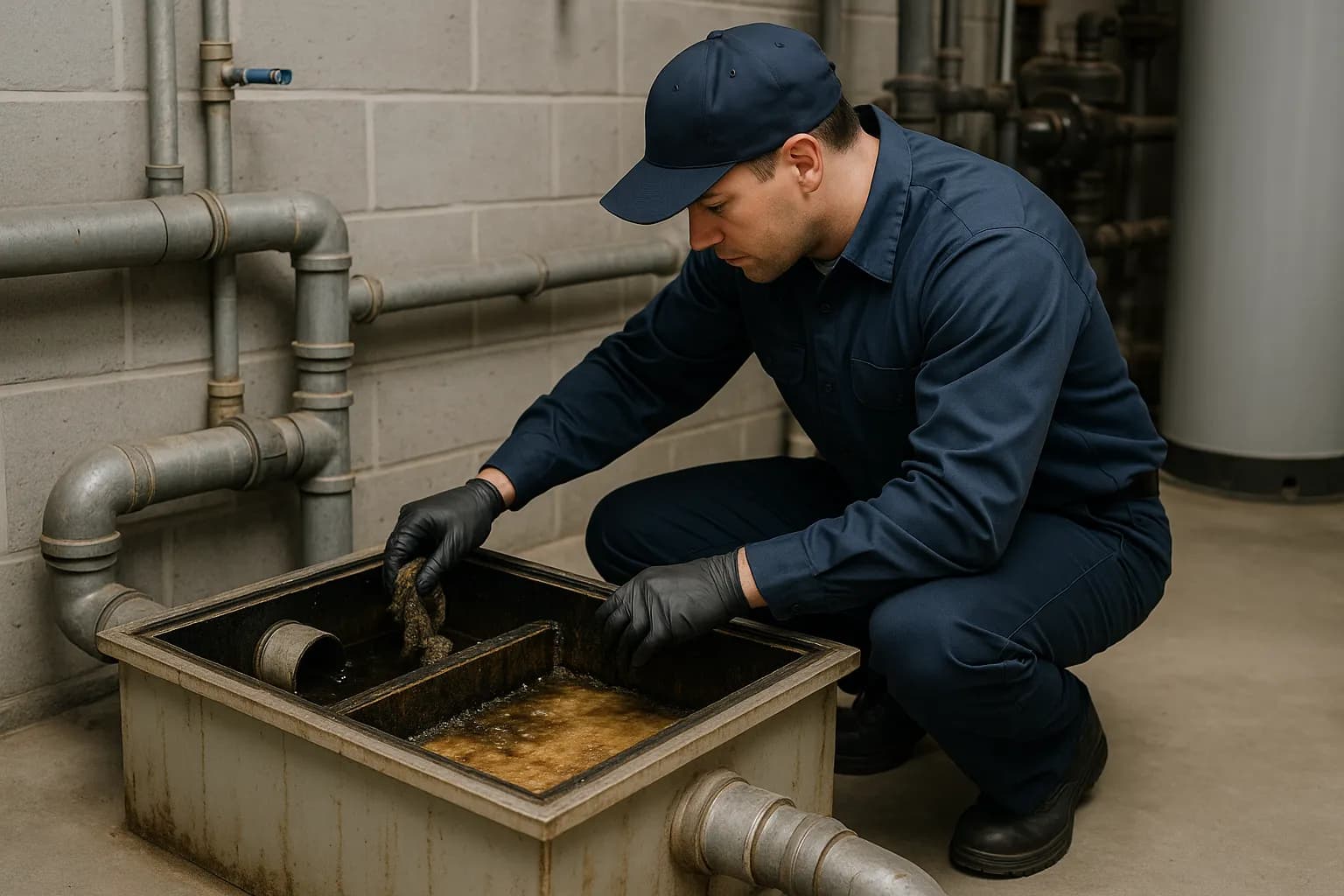
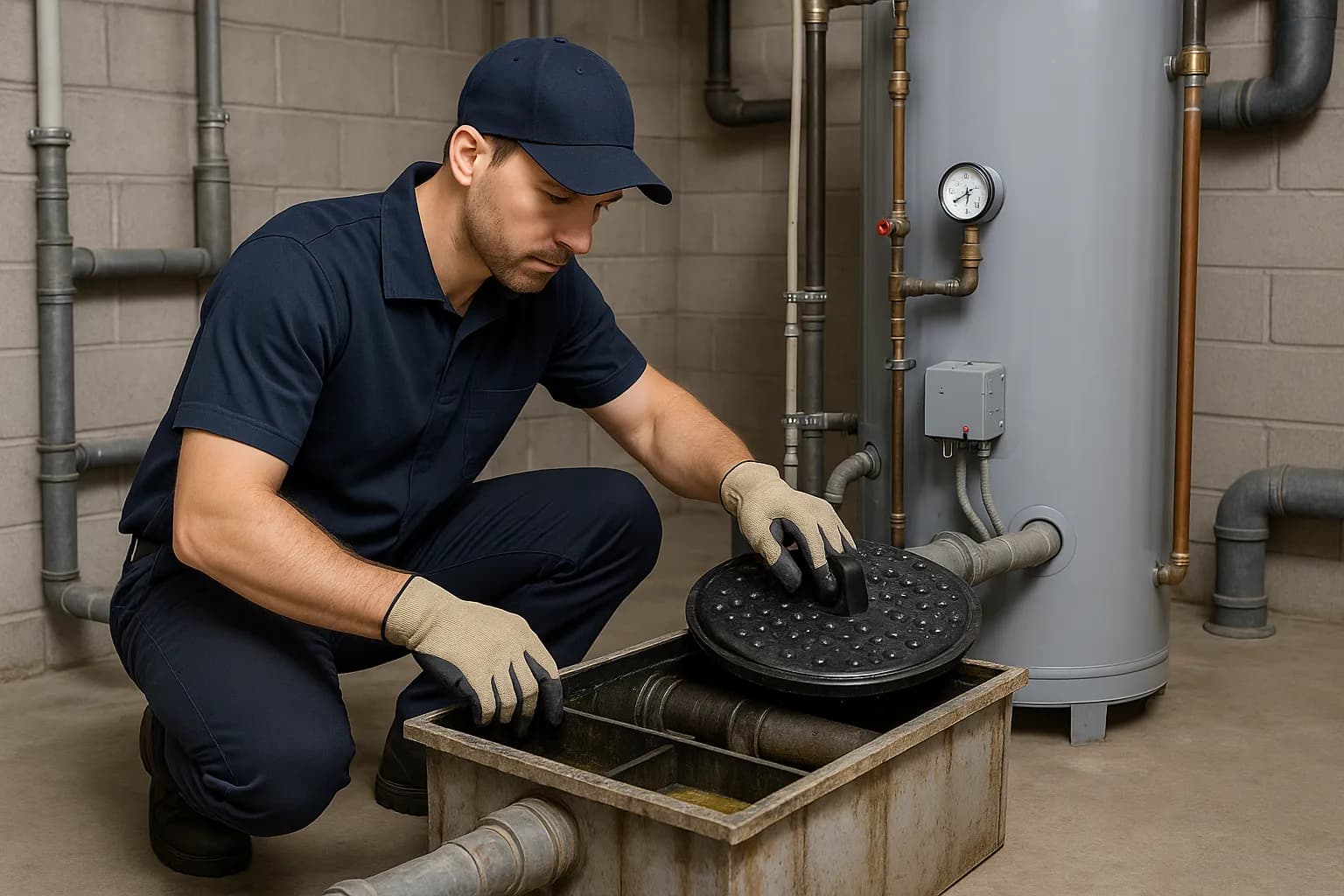
- Grease interceptors: In food-service buildings, heavy hot water loads for dishwashing tie into grease interceptor performance; water heater failure can affect kitchen operations and cleaning schedules even if interceptors are not directly repaired.
- Gas piping: Commercial gas trains, regulators, and shutoff valves are subject to fuel gas codes and may require inspection when heaters are replaced or when ignition issues and leaks are suspected.[11][12][13]
Managers should coordinate with mechanical, fire protection, and plumbing teams to ensure repairs do not inadvertently violate IPC/UPC or fuel gas requirements in shared mechanical rooms.
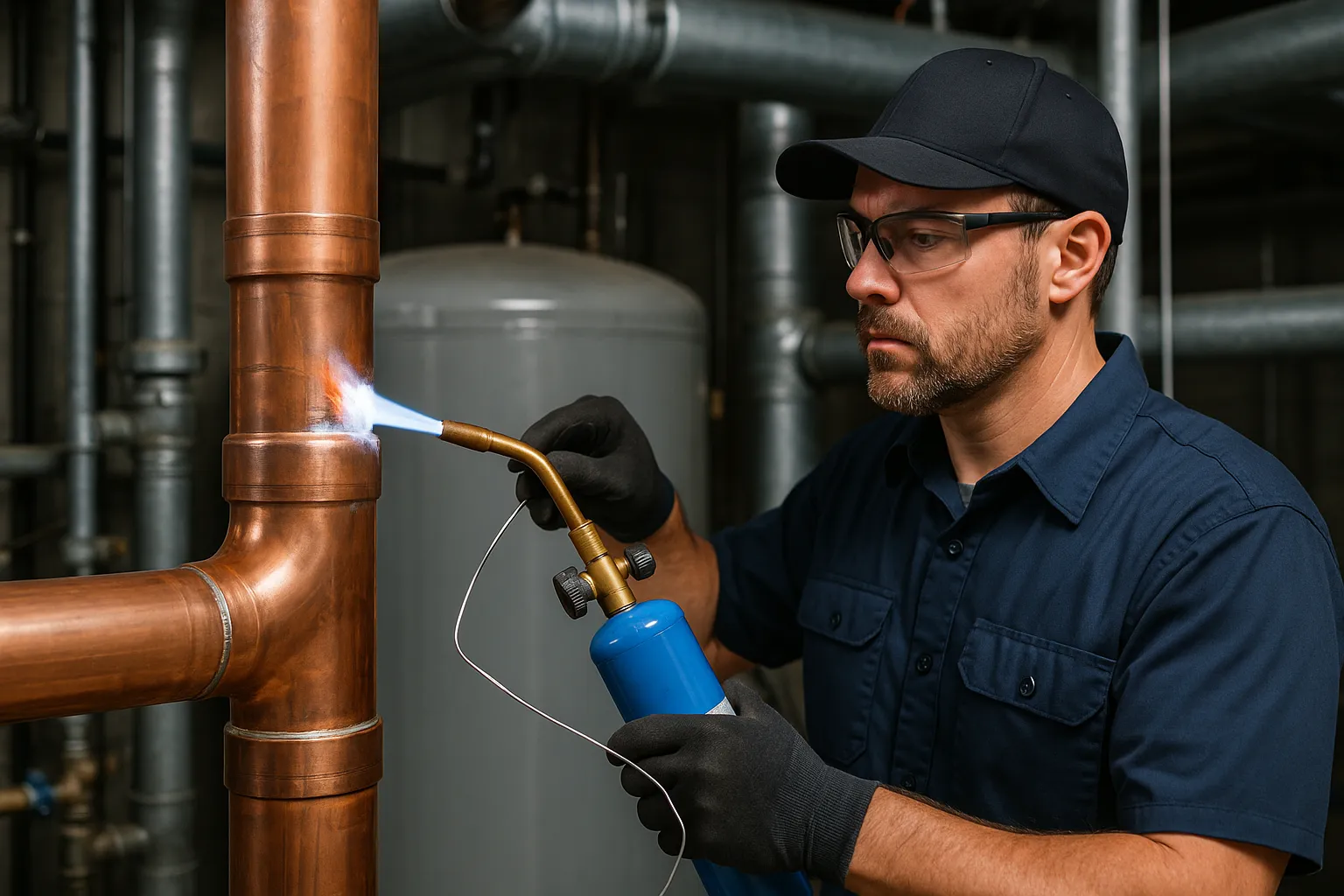
Maintenance strategies to reduce repair frequency and extend service life
Most unexpected commercial water heater repair events are preventable with structured maintenance aligned to manufacturer guidance, ASHRAE recommendations for building water systems, and local inspection rules.[2][8][14] A preventive program improves reliability and supports compliance with Legionella risk management and scald protection requirements.
Core maintenance actions for commercial water heaters
- Periodic sediment flushing: Many sources recommend annual or biannual tank flushing to remove sediment and reduce strain on burners and elements.[3][4][15] This is particularly important in large storage tanks serving hotels, multifamily, and healthcare facilities.
- Anode rod inspection and replacement: Monthly or annual inspection of anode rods on storage tanks, with replacement once approximately half depleted, helps avoid tank corrosion and leakage.[3][14]
- Recirculation pump and valve service: Regular verification of pump operation, bearing and seal condition, and valve settings maintains even hot water delivery and prevents pump air-lock issues after system draining.[14][15]
- Outlet temperature and control calibration: Quarterly checks of outlet temperatures at representative fixtures and calibration of thermostats and controllers support both energy performance and user safety.[14]
- Inspection per ASME/National Board guidance: Follow jurisdictional requirements for external and internal inspections to renew operating certificates, typically annually for external and every few years for internal, depending on construction date and code stamp.[2][9][13]
- Water management plan coordination: Align heater maintenance with building water management plans targeting Legionella control, including outlet flushing, temperature management, and sampling as recommended in ASHRAE Guideline 12.[8][14]
For managers, the practical takeaway is to bundle heater service with other mechanical room work (boilers, pumps, backflow testing) and to plan outages in coordination with tenants and operations.[4]
Repair vs. replacement: lifecycle cost and ROI considerations
Choosing between commercial water heater repair, intensified maintenance, and full replacement is ultimately a lifecycle cost decision. Several factors determine which path offers the best ROI for a given facility.
When repair is usually cost-effective
- Unit age and condition: Relatively new heaters with intact tanks, minimal corrosion, and good service history are good candidates for component-level repairs (controls, burners, pumps).[3][4]
- Isolated faults: Single component failures such as thermostats, ignition modules, or mixing valves are typically inexpensive compared to replacement and restore full functionality quickly.[4]
- Stable performance post-repair: If diagnostics and history suggest the failure is not repetitive or systemic, repair may provide several more years of reliable service, especially when paired with improved maintenance.
Indicators that replacement likely delivers better ROI
- Tank leakage or severe corrosion: Once a storage tank is leaking or heavily corroded, repair options are limited and risk of catastrophic failure rises; replacement is typically required.[3][14]
- Frequent breakdowns and downtime: Recurring repair calls, unplanned outages, and tenant complaints suggest underlying design, sizing, or water quality issues that may be best addressed through system redesign and new equipment.
- Energy and performance gaps: Older non-condensing units or undersized systems may use significantly more energy and struggle to meet demand. Upgrading to higher-efficiency or properly sized equipment can improve operational costs and uptime.
- Compliance and safety upgrades: Newer equipment may offer improved combustion safeguards, controls, and integration with building management systems, helping facilities meet current codes and water management guidelines.[7][8][10][11]
Facility managers should evaluate total cost of ownership: capital cost, anticipated maintenance, energy use, risk of failure, and the business impact of downtime. Coordinating with commercial plumbers and mechanical engineers through platforms like My Plumbing Tech can help build a multi-year renewal plan rather than treating water heater repair as isolated emergencies.
Frequently Asked Questions
What are typical cost drivers in commercial water heater repair vs. replacement?
Major cost drivers include unit size and type (storage vs. tankless), fuel (gas vs. electric), accessibility, and whether connected systems like recirculation pumps, gas piping, or mixing valves need work. Repair is modest when limited to controls or ignition; replacement becomes cost-effective when tanks corrode, energy performance is poor, or downtime risk is high.
How do inspection and code requirements impact commercial water heater repair planning?
ASME, National Board, and state boiler rules often require regular external and periodic internal inspections for hot water heaters, while NFPA and fuel gas codes govern installation and combustion safety.[2][9][11][13] Facility managers should align repair and upgrade timing with certificate renewals to minimize outages and avoid non-compliance penalties.
What risks do facility managers face if commercial water heater repair is deferred?
Deferring repair increases risks of leaks, flooding, scalding, Legionella growth, and combustion hazards, especially with gas-fired equipment.[7][8][11] It can also lead to code violations, failed inspections, and extended downtime affecting tenants and operations. Proactive maintenance and timely repair help protect both safety and business continuity.
How should managers coordinate commercial water heater repair in multi-tenant buildings?
In offices, retail centers, and multifamily properties, managers should map which heaters serve which tenants, plan work during low-demand periods, and communicate outage windows clearly. Grouping water heater work with other mechanical room tasks and documenting shutoffs and emergency procedures improves efficiency and reduces disruption.[4]
What role does water quality play in commercial water heater repair frequency?
Hard water and poor treatment accelerate scale and sediment buildup, reducing efficiency and stressing burners, elements, and pumps.[3][14][15] Facilities with high hardness or variable quality should emphasize flushing, anode maintenance, and heat exchanger cleaning; investing in treatment can materially reduce repair frequency and extend equipment life.
How can facility managers use My Plumbing Tech to improve outcomes on commercial water heater repair projects?
Managers can leverage My Plumbing Tech to identify commercial plumbing firms experienced with large gas-fired and tankless systems, verify familiarity with local boiler and fuel gas codes, and compare proposals that consider lifecycle costs, demand patterns, and integration with recirculation, backflow, and booster systems, rather than isolated, short-term fixes.
Related Reading on My Plumbing Tech
- Commercial Plumbing Code Updates for Facility Managers: What the 2027 International Codes Mean
- Grease Trap Maintenance: A Practical Guide for Commercial Facilities
Find a Qualified Commercial Plumbing Contractor
Need help acting on this? Browse commercial plumbers in your area, or explore commercial plumbing services like preventative maintenance, inspections, and emergency response. Are you a contractor? List your business on My Plumbing Tech to reach property and facility managers actively searching for help.