 My Plumbing Tech
Commercial Plumbing Code Updates for Facility Managers: What the 2027 International Codes Mean
Quick Answers for Property & Facility Managers
What should facility managers know about the upcoming 2027 commercial plumbing code updates?
Facility managers should expect the upcoming 2027 International Codes to affect planning, design, and permitting for commercial plumbing systems. The practical takeaway is to review current specifications, verify local AHJ adoption timelines, and coordinate early with designers and plumbers on code-impacting items such as water distribution, drainage, backflow, and equipment selection.
Why do ICC/MBI 1200 series standards matter for commercial buildings?
The ICC/MBI 1200 series standards are relevant because they support consistent requirements for modular and offsite-built systems that can affect commercial plumbing coordination, inspection, and approval. For property owners and managers, adopting these standards early can reduce rework, improve predictability, and help projects move through permit and inspection review more smoothly.
How do commercial water heater rebates affect building operations?
Rebate programs for higher-efficiency commercial water heating equipment can improve project economics while supporting energy and sustainability goals. For facility teams, the key is to evaluate lifecycle cost, maintenance requirements, warranty terms, and compatibility with existing hot water demand before specifying ECO Hybrid or similar equipment for tenant improvement or replacement projects.
What the Late-August Plumbing News Means for Commercial Building Operations
For facility managers, property managers, and commercial real estate professionals, the latest Plumbing & Mechanical news roundup is not just industry chatter. It signals changes that can affect capital planning, permit coordination, code compliance, and equipment selection across office, retail, industrial, healthcare, institutional, and multifamily assets.
The most important takeaway is that plumbing compliance is moving forward on multiple fronts at once: future code adoption, evolving standards for modular construction, and incentives tied to higher-efficiency commercial water heating. For owners and managers, that means project teams should review specifications early, document compliance assumptions, and confirm requirements with the local AHJ before bids are finalized.
Why the 2027 International Codes Matter Before They Are Enforced
The news roundup highlights the upcoming publication of the 2027 International Codes and encourages jurisdictions to adopt ICC/MBI 1200 series standards now. For commercial buildings, that matters because code cycles influence how plumbing systems are designed, permitted, inspected, and maintained long before a new rule becomes common practice.
From a facilities perspective, this is the time to ask whether upcoming projects should be designed to the current code only, or whether it is smarter to align with anticipated requirements where feasible. That question affects water supply and distribution layouts, drainage and venting design, fixture selections, backflow protection, grease interceptor sizing, and equipment room planning.
- Review active and planned capital projects for code-sensitive scope such as remodels, tenant improvements, or utility replacements.
- Ask the design team whether the jurisdiction is likely to adopt new code language or standards during the project timeline.
- Confirm permit assumptions early with the AHJ so submittals, inspections, and testing requirements do not create delays later.
ICC/MBI 1200 Series Standards and Modular Commercial Construction
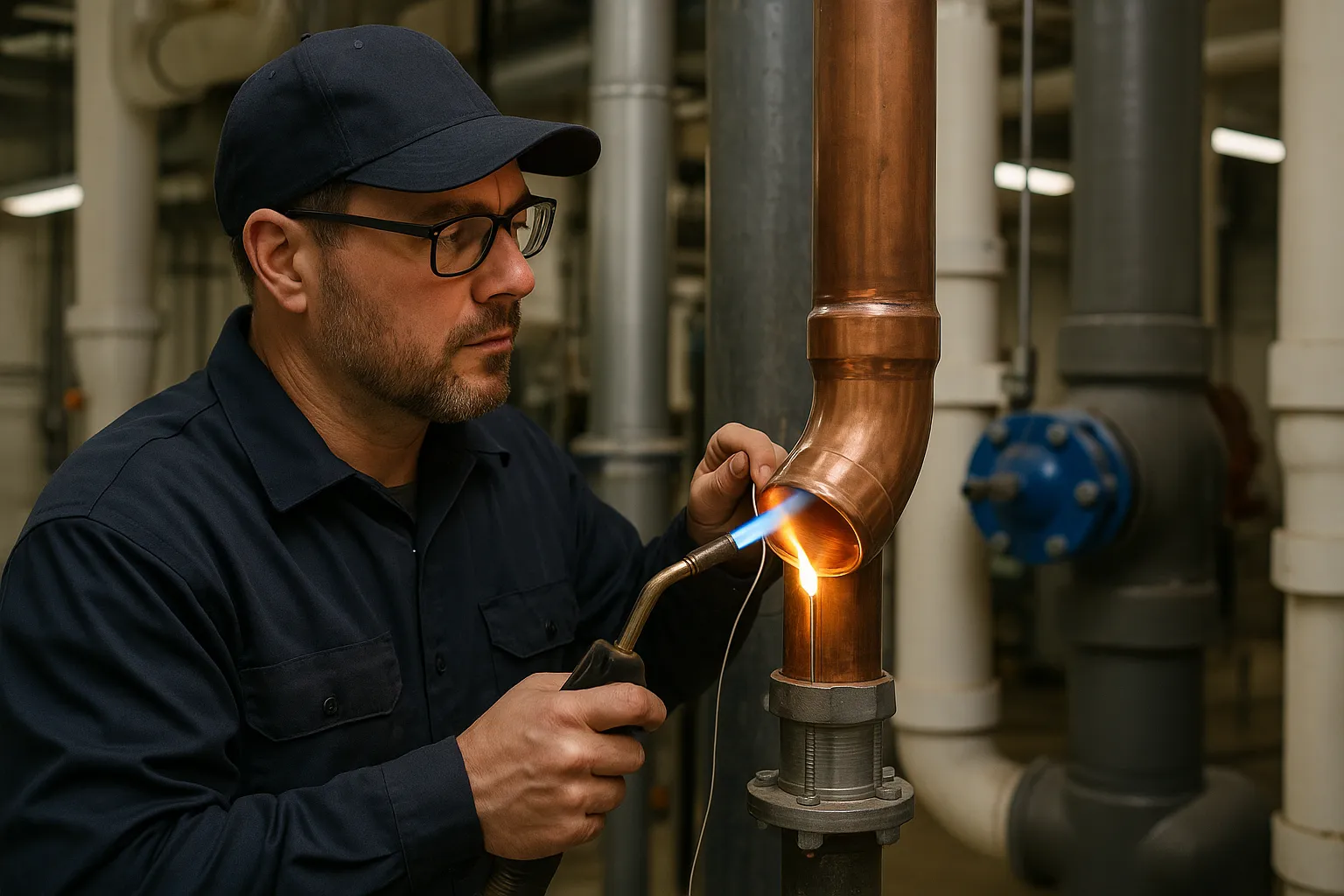
The ICC/MBI 1200 series standards are relevant to modular and offsite construction, which continues to influence commercial development and renovation strategies. For property managers and developers, modular approaches can shorten schedules, but they also require stronger coordination among plumbing design, fabrication, transport, field tie-ins, and inspection sequencing.
In practical terms, that means the plumbing scope may need to be detailed earlier than in conventional projects. Supply risers, drain routing, fixture rough-ins, access panels, and test points all need to be aligned with modular layout, code requirements, and the local inspection process. If a building owner is considering modular restroom cores, utility skids, or prefabricated MEP assemblies, the plumbing team should confirm how the adopted standards will affect approval and warranty coverage.
For commercial real estate teams, the business value is predictability. Standards-based modular work can reduce field clashes and help preserve project schedules, but only when the submittal package is complete and the compliance path is clearly documented.
Commercial Water Heating Incentives Favor Higher-Efficiency Equipment
The roundup also notes new rebate programs for ECO Hybrid commercial water heating equipment and similar higher-efficiency offerings. For building owners, rebates can improve the economics of replacement projects, especially where existing water heaters are aging, undersized, or operating inefficiently under variable tenant demand.
However, incentives should never be the only selection criterion. The right commercial water heater still has to match building load profiles, recovery needs, available utilities, venting constraints, maintenance access, and manufacturer warranty requirements. In healthcare, hospitality, multifamily, and food-service-adjacent occupancies, hot water reliability can directly affect operations and tenant satisfaction, so lifecycle performance matters as much as upfront cost.
- Compare total installed cost, not just equipment price, because controls, venting, piping, and electrical upgrades may change the final budget.
- Verify maintenance access to protect uptime and preserve warranty compliance.
- Model demand changes if the building is adding tenants, amenity spaces, or process loads.
What This Means for Compliance, Permitting, and Inspection
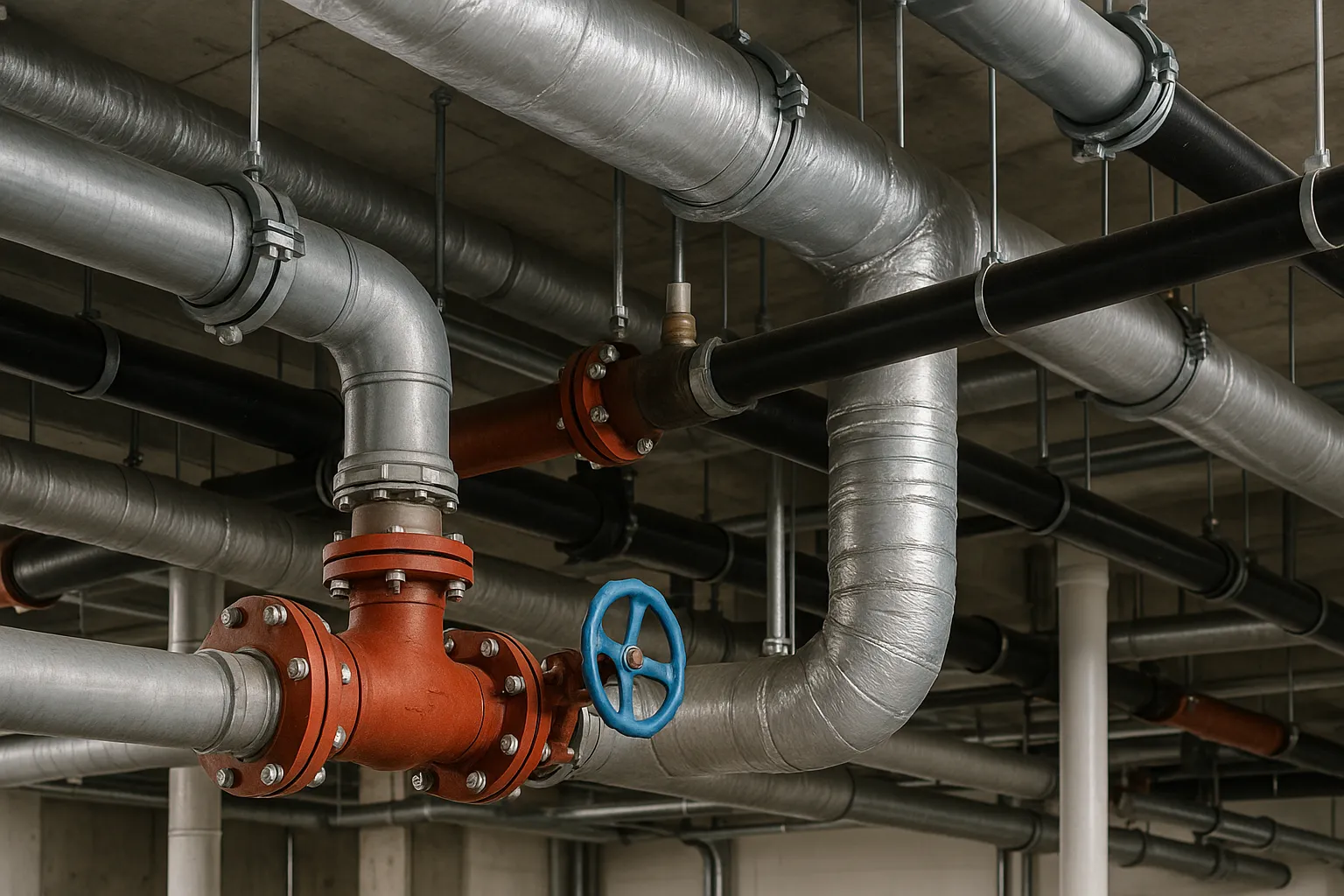
Commercial plumbing work is always governed by local code adoption and the authority having jurisdiction, but this news cycle reinforces the importance of staying ahead of change. Depending on location, projects may be reviewed under the IPC (International Plumbing Code), UPC (Uniform Plumbing Code), or local amendments that modify fixture counts, backflow requirements, testing procedures, or materials standards.
For property managers, the safest approach is to keep compliance documentation organized and current. That includes permit records, inspection sign-offs, backflow test reports, equipment submittals, and O&M manuals. When a code transition is underway, these records help prove what was installed, when it was installed, and which requirements applied at the time.
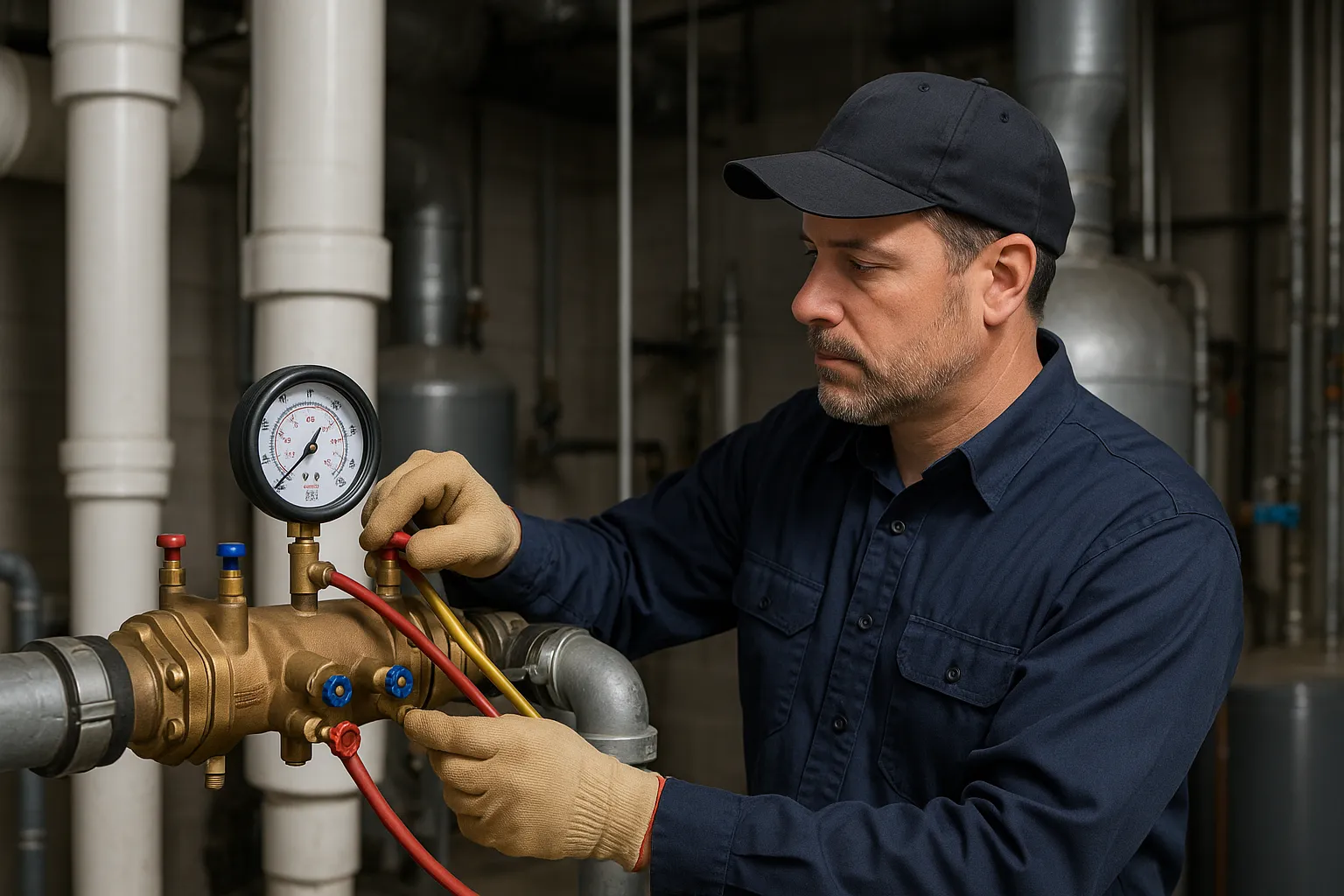
Backflow prevention remains especially important in commercial settings because cross-connection control protects potable water systems from contamination. Depending on the building use, testing may need to be performed by qualified personnel in accordance with ASSE-related requirements and local utility rules. Grease interceptors, sump and lift stations, booster pumps, and gas piping all carry separate compliance and maintenance implications that should be tracked in the same facility program.
Operational Priorities for Facility and Property Teams
For commercial real estate professionals, the practical response is to treat plumbing code news as a planning trigger. If your portfolio includes older buildings, phased tenant improvements, or recurring plumbing service calls, this is a good time to review system condition and replacement timing.
Focus on the areas most likely to create risk or cost exposure:
- Drain and sewer systems that have recurring blockages, root intrusion, or capacity issues.
- Water supply and distribution lines with corrosion, pressure complaints, or leak history.
- Backflow assemblies that need testing, repair, or replacement before compliance deadlines.
- Commercial water heaters that are nearing end of life or no longer meet demand efficiently.
- Grease interceptors and lift stations that require scheduled service to avoid disruption and violations.
Early planning helps avoid emergency repairs, tenant complaints, and permit delays. It also improves bidding clarity by giving plumbing contractors a better-defined scope and reducing change orders after construction starts.
How to Turn This Industry News into a Building Action Plan
Facility managers and building owners do not need to track every code bulletin in detail, but they do need a repeatable process for turning code and market updates into action. Start by identifying upcoming projects that could be affected by the 2027 International Codes or local adoption of ICC/MBI standards. Then review whether your current plumbing specifications still align with permit expectations, warranty requirements, and operational goals.
For larger portfolios, consider a quarterly compliance review that includes plumbing system condition, backflow testing status, water heater age, sewer and drain performance, and project-by-project permit risks. That approach helps commercial teams prioritize capital spending where it has the greatest operational impact and keeps projects moving through design and inspection with fewer surprises.
The strongest procurement decisions in commercial plumbing are rarely the cheapest upfront. They are the ones that balance code compliance, reliability, maintainability, and long-term operating cost across the building’s actual use case.
Frequently Asked Questions
Should commercial property managers wait for the 2027 International Codes before updating plumbing systems?
No. Waiting can create scheduling and compliance risk if a jurisdiction adopts new requirements during design or construction. Property managers should evaluate upcoming projects now, especially replacements, tenant improvements, and modular scopes, so the design team can decide whether to build to current code only or prepare for anticipated code direction.
How should a facility manager evaluate a rebate for commercial water heating equipment?
Start with total lifecycle cost, not just the rebate amount. Evaluate hot water demand, recovery rate, utility compatibility, installation changes, maintenance access, and warranty conditions. A rebate is most valuable when it supports an efficient system that also fits the building’s operating profile and long-term service plan.
What commercial plumbing systems are most exposed to code and inspection changes?
The most exposed systems are typically backflow assemblies, water heaters, grease interceptors, drain and vent systems, and any modular or prefabricated plumbing components. These are common inspection points and often involve local utility rules, AHJ review, and manufacturer requirements that can affect approvals and maintenance.
Why do commercial buildings need a proactive plumbing compliance program?
Commercial buildings face tenant downtime, health and safety risks, and permit delays when plumbing compliance is managed reactively. A proactive program helps track testing intervals, equipment condition, code changes, and repair history so owners can budget accurately and avoid emergency work that is more disruptive and expensive.
How do modular and offsite-built plumbing systems change project planning?
They shift more decision-making into the design phase. Dimensions, connection points, access, testing, and inspection sequencing must be coordinated earlier because factory-built components have less room for field changes. That makes early code review, submittal coordination, and AHJ communication especially important for commercial projects.
Related Reading on My Plumbing Tech
- Grease Trap Maintenance: A Practical Guide for Commercial Facilities
- Colorado Approves Water Demand Calculator for Commercial Water Supply Piping Sizing
Find a Qualified Commercial Plumbing Contractor
Need help acting on this? Browse commercial plumbers in your area, or explore commercial plumbing services like preventative maintenance, inspections, and emergency response. Are you a contractor? List your business on My Plumbing Tech to reach property and facility managers actively searching for help.
Originally sourced from Plumbing & Mechanical