 My Plumbing Tech
2024 New Mexico Plumbing Code Adoption: What Facility Managers Need to Know
Quick Answers for Property & Facility Managers
How does the 2024 New Mexico Plumbing Code adoption affect my commercial properties?
New Mexico’s adoption of the 2024 New Mexico Plumbing Code and Mechanical Code resets the minimum standards for design, installation, and inspection of plumbing and mechanical systems in commercial buildings. Facility and property managers should review current projects, specifications, and maintenance programs to ensure they align with the new code requirements and AHJ interpretations.
Do the 2024 New Mexico codes apply to modular and off‑site construction projects?
Yes. The 2024 New Mexico Plumbing Code and Mechanical Code apply to both traditional on‑site construction and off‑site/modular projects installed in the state. Facility and property managers procuring modular buildings must confirm that manufacturers and contractors design, build, and document systems to meet the updated New Mexico code requirements.
What should facility managers do now to prepare for the 2024 New Mexico Plumbing Code?
Facility managers should coordinate with design teams, plumbing contractors, and local code officials to understand effective dates, transition rules, and inspection expectations. Updating project specifications, standard details, and capital planning assumptions early minimizes delays in permitting, change orders, and compliance risks under the new codes.
Overview: 2024 New Mexico Plumbing and Mechanical Code Adoption
The State of New Mexico has announced adoption of the 2024 New Mexico Plumbing Code and 2024 New Mexico Mechanical Code, establishing updated baseline requirements for plumbing and mechanical systems across commercial and institutional buildings in the state. These adoptions affect both traditional on‑site construction and off‑site or modular projects installed within New Mexico’s jurisdiction.
For facility managers, property managers, and commercial real estate professionals, this change is not just a technical update. It directly influences how projects are designed, permitted, inspected, and operated over their service life. From water distribution and drain systems to commercial water heaters, hydronic piping, and HVAC-related mechanical components, the new codes define the minimum acceptable standards that Authorities Having Jurisdiction (AHJs) will enforce.
Because New Mexico’s codes are closely aligned with national model codes such as the International Plumbing Code (IPC), Uniform Plumbing Code (UPC), and International Mechanical Code (IMC), the 2024 adoption likely incorporates recent industry best practices around efficiency, safety, and public health. However, New Mexico may also include state‑specific amendments that impact material selections, backflow prevention, cross‑connection control, and inspection protocols.
Key Commercial Plumbing Systems Impacted by the 2024 New Mexico Plumbing Code
The 2024 New Mexico Plumbing Code update will influence a wide range of commercial plumbing systems, from core infrastructure to specialized building services. Understanding these touchpoints helps facility and property managers anticipate where design changes, specification updates, or commissioning adjustments may be necessary.
- Domestic water supply and distribution: The updated code will govern pipe sizing, pressure requirements, booster pump selection, backflow assemblies, and materials for potable water systems serving offices, multifamily, healthcare, retail, and industrial facilities.
- Sanitary drain, sewer, and vent systems: Design criteria for gravity building drains, building sewers, sump and lift stations, venting, and cleanout provisions will follow the new code, affecting layout decisions and coordination with structural and civil design.
- Commercial water heaters and hot water systems: New Mexico’s plumbing and mechanical codes typically reference manufacturer installation instructions and efficiency standards. Facility teams should verify that commercial water heaters, storage tanks, and circulating systems are sized and installed per updated requirements and local AHJ interpretations.
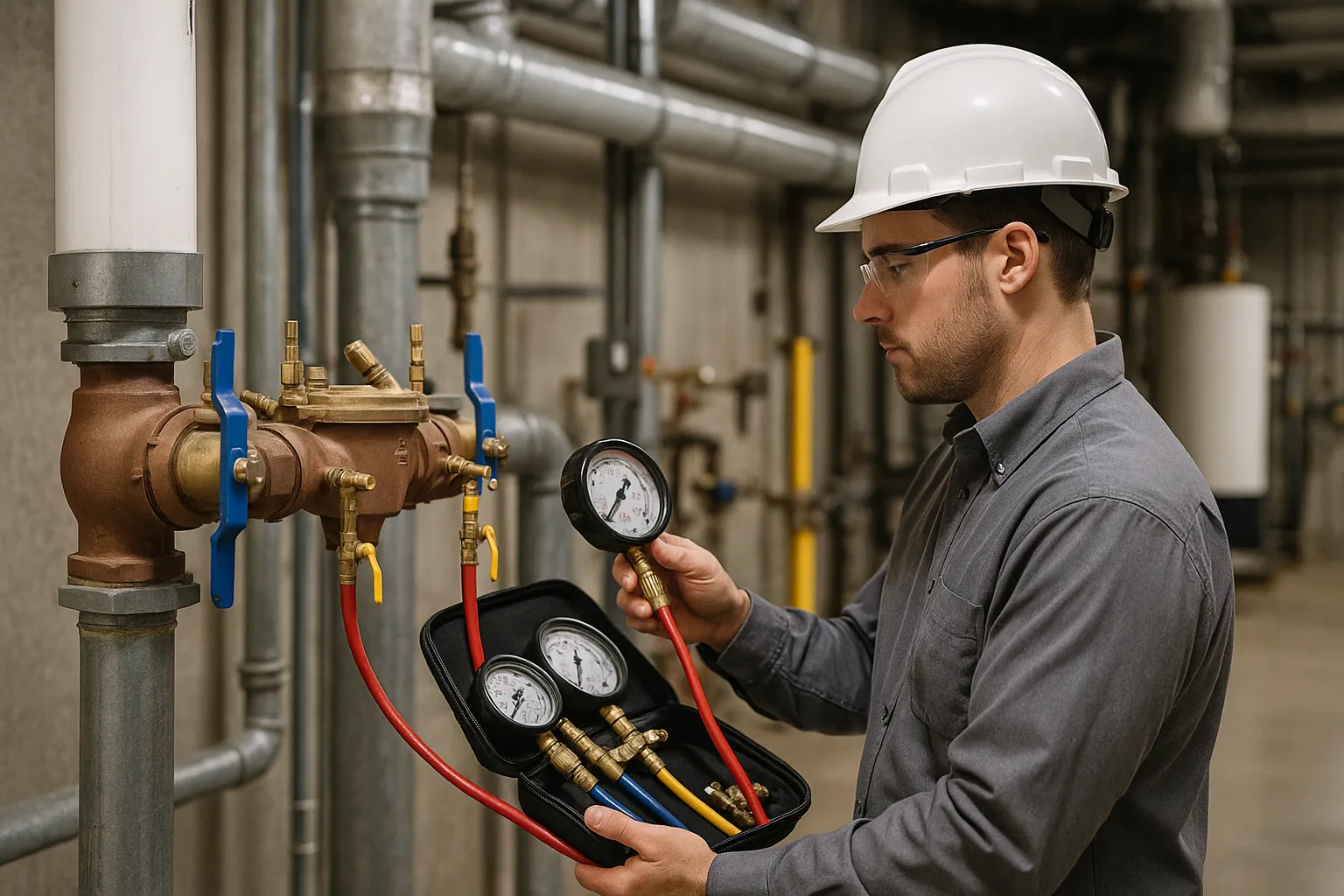
- Backflow prevention and cross‑connection control: Codes commonly reference ASSE standards, EPA cross‑connection control guidance, and local water purveyor rules. Facility managers should expect continued or enhanced requirements for testable backflow assemblies on domestic, irrigation, process, and fire protection connections.
- Grease interceptors and food service drainage: Restaurants, cafeterias, and food production spaces in commercial buildings are likely to see continued emphasis on properly sized grease interceptors, access for maintenance, and compliance with local sewer ordinances.
- Gas piping and combustion equipment: Although often addressed in mechanical and fuel gas codes, gas piping design, pressure regulation, and combustion air for boilers and water heaters will be influenced by the new mechanical code, requiring alignment between plumbing, mechanical, and structural disciplines.
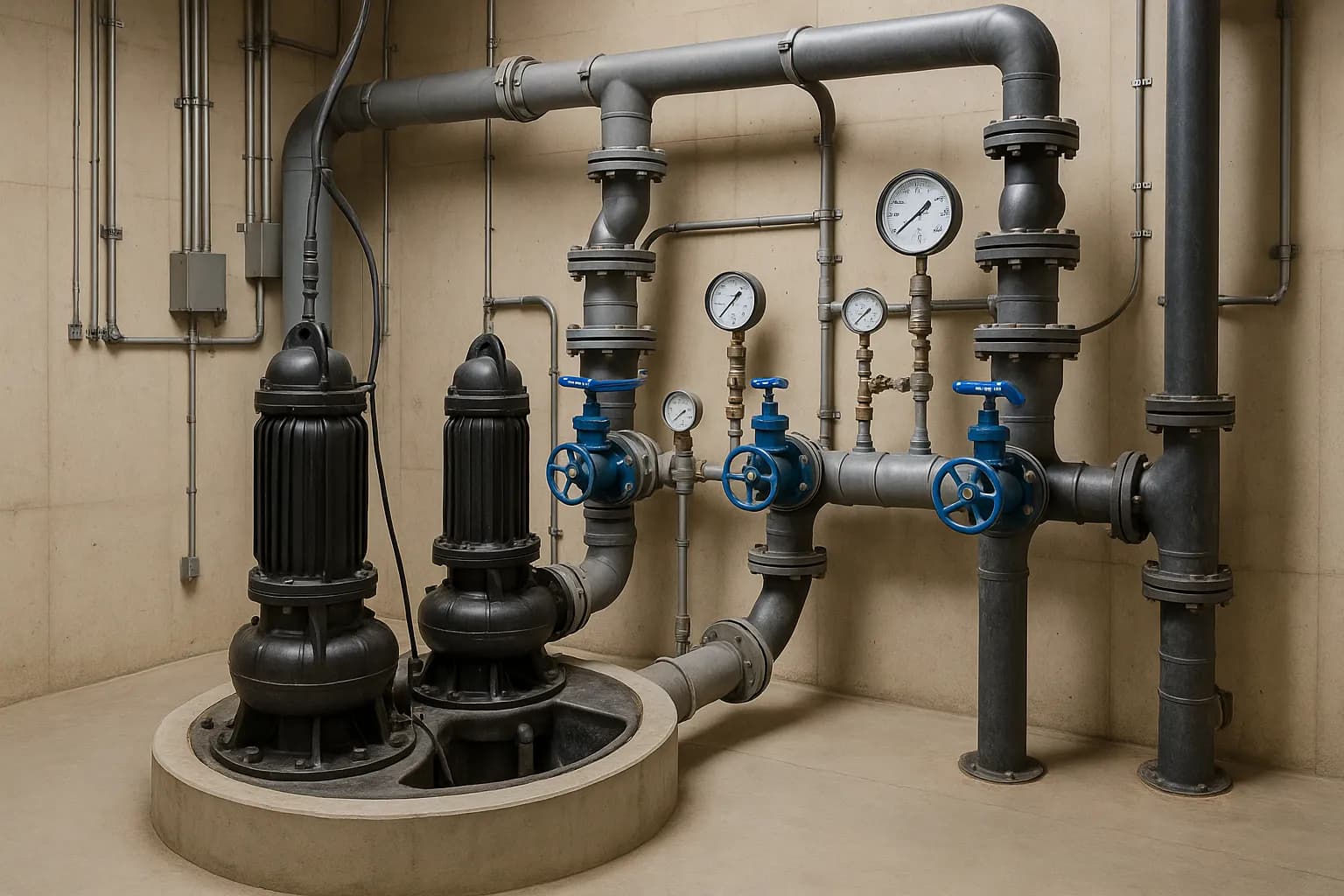
- Sump pumps, lift stations, and storm drainage: Facilities with below‑grade plumbing fixtures or large roof areas will need to confirm that pump selection, basin sizing, and discharge routing meet current standards to avoid operational issues and inspection delays.
For existing buildings, the adoption does not usually require immediate retrofit of previously permitted systems unless they create a clear safety or public health concern. However, all new work, major renovations, change‑of‑use projects, and modular installations will be reviewed under the 2024 codes, which can influence scope, cost, and schedule.
Design, Permitting, and Inspection Implications for Commercial Projects
The most immediate impact of the 2024 New Mexico Plumbing and Mechanical Code adoption will be felt in project design, permitting, and inspection workflows. Facility and property managers who oversee capital projects or tenant improvements should expect AHJs to review submissions against the new standards.
On the design side, engineering teams will update calculations, details, and specifications to match the 2024 requirements. This may include changes to pipe sizing methodologies, fixture unit calculations, hot water recirculation strategies, and backflow protection locations. Where New Mexico references IPC or UPC frameworks, designers will apply those models, adjusted for state amendments.
For permitting, submittal packages must clearly demonstrate code compliance. Plumbing plans, riser diagrams, equipment schedules, and product data need to reflect the new code language and any referenced standards. Incomplete or outdated specifications can lead to review comments, resubmittals, and schedule delays.
Inspection processes will also align with the updated codes. Field inspectors will verify that installed systems match approved plans and adhere to the 2024 requirements. This includes confirming proper installation of backflow assemblies, grease interceptors, cleanouts, pressure tests, and labeling. Facility and property managers should work with their contractors to ensure that inspection preparation—test reports, startup documentation, and as‑built information—is organized and ready to support sign‑offs.
Off‑site and modular construction adds another layer of coordination. Since the codes explicitly apply to modular projects, factories producing modular units for deployment in New Mexico must design and build plumbing and mechanical systems to meet the state’s adopted code. Facility managers procuring modular classrooms, offices, or multifamily units should request documentation of code compliance and third‑party evaluations before units ship.
Interaction with National Codes, Standards, and Manufacturer Requirements
New Mexico’s 2024 Plumbing and Mechanical Codes operate within a broader ecosystem of national codes and standards that facility managers should understand. The IPC and UPC provide widely used frameworks for fixture counts, pipe sizing, and system layouts. AHJs in New Mexico may adopt one of these models as the basis for the state code, with specific amendments reflecting local priorities, climate, and infrastructure conditions.
Backflow prevention is typically guided by ASSE standards for device performance and testing, alongside EPA cross‑connection control principles and local water utility regulations. Facility managers should expect continued requirements for annual testing of testable backflow assemblies by qualified testers, with documented results maintained for compliance and risk management.
Mechanical code provisions will reference national safety and performance standards for equipment such as boilers, commercial water heaters, and HVAC units. Manufacturer installation instructions are usually treated as part of the code requirement: systems must be installed per the manufacturer’s published instructions to preserve warranties and ensure code compliance. Deviations from manufacturer instructions can create exposure for facility owners, both in warranty claims and in potential OSHA or worker‑safety issues if equipment is operated outside its intended configuration.
OSHA regulations and workplace safety requirements intersect with plumbing and mechanical systems in areas such as confined space entry (for tanks, pits, and crawlspaces), chemical handling for water treatment, and hot work on piping. While OSHA is separate from the state plumbing and mechanical codes, facility managers should treat these requirements as complementary and ensure that maintenance procedures reflect both safety regulations and code standards.
Risk Management, Capital Planning, and Operational Impacts
Code changes often translate into shifts in risk profiles, capital planning priorities, and operational practices for commercial portfolios. Adoption of the 2024 New Mexico Plumbing and Mechanical Codes is no exception.
From a risk standpoint, non‑compliant design or installation can lead to failed inspections, occupancy delays, and enforcement actions. For mission‑critical facilities such as hospitals, data centers, and industrial plants, delays in mechanical or plumbing sign‑off can have significant business impacts. Facility managers should embed code awareness into project governance, requiring early engagement with design professionals who are current on New Mexico’s code adoption and local AHJ interpretations.
Capital planning may also be affected. While existing systems are typically grandfathered, owners planning major renovations or change‑of‑use projects should consult design teams to understand how the 2024 codes may alter scope or cost. For example, newer code editions often strengthen requirements for backflow prevention, hot water recirculation for Legionella control strategies, or grease management in food service spaces. These changes can drive upgrades to existing systems during renovation.
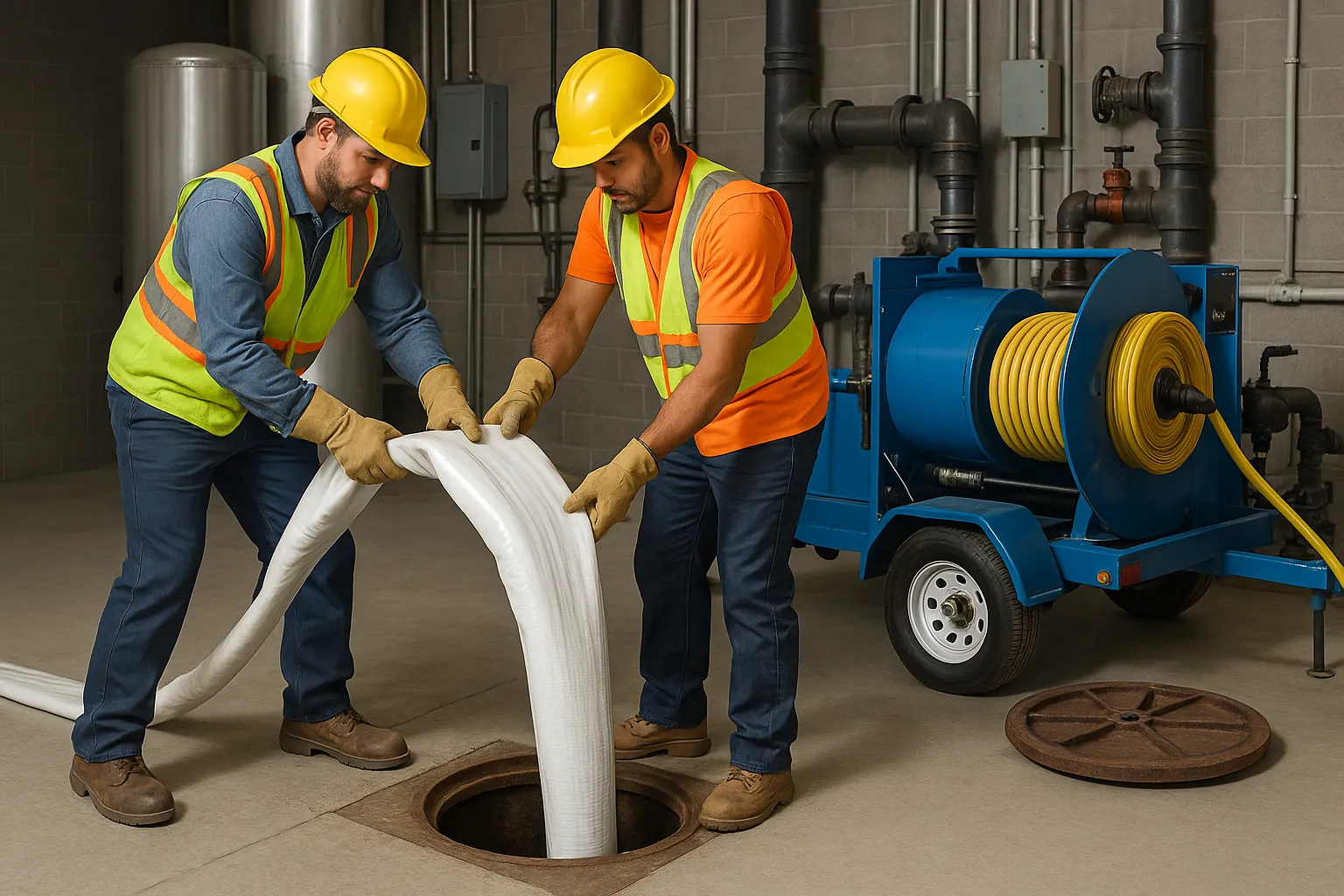
Operationally, facility teams may need to adjust inspection and maintenance programs. Backflow testing schedules, sump and lift station maintenance, grease interceptor pump‑out frequencies, and commercial water heater service intervals should be aligned with both manufacturer guidance and code‑driven expectations. Documentation is critical: having organized records of tests, repairs, and compliance activities helps demonstrate due diligence if regulatory questions arise.
For portfolios spanning multiple states, New Mexico’s update underscores the importance of tracking jurisdiction‑specific code adoptions. National facility managers should maintain a matrix of which version of the plumbing and mechanical codes is in effect in each market and integrate that information into design standards, RFP templates, and contractor selection criteria.
Practical Action Steps for Facility and Property Managers in New Mexico
To respond effectively to the adoption of the 2024 New Mexico Plumbing and Mechanical Codes, facility managers, property managers, and commercial real estate professionals can take several practical steps.
- Confirm effective dates and transition rules: Engage with local AHJs or building departments to understand when the 2024 codes take effect and whether grace periods or grandfathering rules apply to projects already in design or permitting.
- Review current and upcoming projects: Identify all projects in New Mexico that involve plumbing or mechanical work—new construction, tenant improvements, modular deployments—and verify that design teams are updating documents to the 2024 codes.
- Update internal design standards: If your organization maintains standard plumbing and mechanical details, master specifications, or preferred product lists, coordinate with engineering partners to align these materials with the new New Mexico requirements.
- Coordinate with plumbing and mechanical contractors: Ensure that contractors and design‑build partners are aware of the code adoption and are prepared to address any resulting changes in material selection, installation practices, and inspection processes.
- Audit compliance‑critical systems: Prioritize systems with high regulatory or operational impact—backflow prevention assemblies, grease interceptors, booster pumps, sump and lift stations, commercial water heaters—for review against updated standards during planned projects.
- Integrate code awareness into procurement and contracts: For modular and off‑site construction, incorporate explicit requirements in contracts that units must be designed and built to comply with the 2024 New Mexico Plumbing and Mechanical Codes, with supporting documentation provided.
By proactively aligning design, construction, and operations with the 2024 New Mexico Plumbing and Mechanical Codes, facility and property managers can reduce permitting friction, protect project schedules, and strengthen the long‑term performance and resilience of their building systems.
Frequently Asked Questions
How do new plumbing code adoptions typically affect project costs and ROI for commercial facilities?
New plumbing code adoptions can modestly increase upfront project costs through updated design criteria, material requirements, or added devices like backflow assemblies and grease interceptors. However, they usually improve long‑term ROI by reducing failure risk, enhancing safety, and protecting water quality, which supports occupancy, insurability, and regulatory compliance.
What are the key compliance risks for facility managers under updated plumbing and mechanical codes?
Key risks include designs based on outdated code editions, incomplete documentation for permitting, and installations that deviate from approved plans or manufacturer instructions. Facility managers mitigate these risks by using code‑literate engineers, coordinating early with AHJs, and maintaining clear records of inspections, tests, and corrective actions across portfolios.
How should national property managers handle different plumbing codes across states?
National managers should track which code editions are in force in each jurisdiction, maintain a reference matrix, and embed this into design standards, RFPs, and contractor selection. Partnering with engineers familiar with local AHJ practices helps standardize intent while respecting state‑specific amendments, reducing variance in compliance and project outcomes.
What criteria should owners use when selecting commercial plumbing contractors under newer codes?
Owners should prioritize contractors with demonstrated experience under the current code edition, strong relationships with local inspectors, and documented quality processes. Criteria include licensing, references from similar building types, familiarity with IPC/UPC frameworks, backflow testing capabilities, and a track record of passing inspections with minimal rework or delays.
Do updated plumbing codes require existing buildings to retrofit immediately?
Typically, updated plumbing codes apply to new work, major renovations, and change‑of‑use projects, not all existing systems. Retrofits are usually triggered by permit‑related work or clear safety/public health concerns. Facility managers should confirm expectations with AHJs and plan upgrades strategically as part of capital projects rather than ad‑hoc emergency changes.
How do plumbing and mechanical codes interact with manufacturer warranties and OSHA requirements?
Codes generally require equipment to be installed per manufacturer instructions, which also underpin warranty validity. OSHA focuses on worker safety around those systems. If installations ignore code or manufacturer guidance, owners may face warranty disputes, increased liability, and OSHA concerns. Aligning design, installation, and maintenance with both code and manufacturer documentation is essential.
Related Reading on My Plumbing Tech
- Commercial Plumbing Standards Update: IAPMO Signs MOUs with CIPHE and ASPE
- Commercial Water Heater Repair: Practical Guide for Facility and Property Managers
Find a Qualified Commercial Plumbing Contractor
Need help acting on this? Browse commercial plumbers in your area, or explore commercial plumbing services like preventative maintenance, inspections, and emergency response. Are you a contractor? List your business on My Plumbing Tech to reach property and facility managers actively searching for help.
Originally sourced from ICC NTA Code Updates