 My Plumbing Tech
Colorado Approves Water Demand Calculator for Commercial Water Supply Piping Sizing
Quick Answers for Property & Facility Managers
What does Colorado’s Water Demand Calculator approval mean for commercial buildings?
Colorado’s approval gives designers and builders an alternate method for sizing water supply piping in commercial projects. For facility managers and property owners, that can influence plumbing performance, water efficiency, and plan review during new construction or major renovations. It also means local AHJs may accept a different sizing approach where permitted.
Does this change apply to property managers and building owners on existing systems?
Not automatically. The change mainly affects new design, permitting, and major plumbing modifications where the sizing method is being reviewed. Existing systems still need to meet applicable code, pressure, flow, and safety requirements. Owners should confirm expectations with the local AHJ, engineer, and plumbing contractor before changing system capacity.
Why should commercial real estate teams care about water supply piping sizing standards?
Correct sizing affects fixture performance, pressure stability, water efficiency, and long-term maintenance. For offices, multifamily, healthcare, retail, and industrial properties, undersized or oversupplied piping can create complaints, code issues, or unnecessary operating costs. A recognized alternate sizing standard can improve design flexibility when paired with proper permitting and inspection.
Colorado’s New Alternate Sizing Standard Matters to Commercial Plumbing Teams
Colorado’s approval of the Water Demand Calculator as an alternate standard for sizing water supply piping is a meaningful code and design update for commercial buildings. For facility managers, property managers, and commercial real estate professionals, the practical question is not simply what changed, but how the change affects project approvals, system performance, and long-term ownership risk.
According to the report from PHCP Pros, the calculator is intended to give designers and builders another approved option for sizing water supply piping while supporting better plumbing performance, water efficiency, and public health. In commercial work, alternate sizing methods matter because they can influence whether a system is quiet, balanced, code-compliant, and capable of serving real demand during peak occupancy.
Why Water Supply Piping Sizing Is a Facility-Level Issue
Water supply piping is not just a design detail buried in the construction documents. In commercial and institutional facilities, pipe sizing affects fixture pressure, simultaneous use, equipment operation, and the likelihood of chronic service complaints. If the system is oversized, capital cost can rise unnecessarily and water quality concerns may increase in low-use branches. If it is undersized, tenants may experience pressure drops, poor fixture performance, or operational interruptions.
For property owners and managers, those issues can translate into tenant dissatisfaction, emergency service calls, and avoidable retrofit costs. In buildings such as offices, healthcare facilities, retail centers, warehouses, hotels, and multifamily properties, the water distribution system must support real demand patterns, not just theoretical fixture counts. That is why a recognized alternate sizing method is relevant to both design teams and ownership groups.

What the Water Demand Calculator Changes for Commercial Projects
The core significance of Colorado’s approval is that it provides an alternate standard for water supply pipe sizing instead of relying on only one traditional method. In practice, that can affect new construction, major additions, and substantial plumbing renovations where the engineer of record and local authority having jurisdiction evaluate the basis of design.
For commercial stakeholders, this may improve design flexibility during plan development and permitting. It may also help teams align pipe sizing more closely with actual demand patterns, which can support better pressure management and more efficient system operation. The key point is not that every project must use the calculator, but that it is now an approved option where state and local requirements allow it.
Because plumbing approval still depends on the local AHJ, the permit set, and inspection requirements, owners should not assume a calculator-based design will be accepted without review. The plumbing engineer, code official, and installing contractor must still demonstrate that the proposed system meets performance and safety expectations.
Code Compliance Still Runs Through IPC, UPC, and Local AHJ Review
Even with an alternate sizing standard, commercial plumbing projects still must satisfy the adopted plumbing code and local amendments. Depending on the jurisdiction, that may involve the IPC (International Plumbing Code), UPC (Uniform Plumbing Code), or another state or municipal framework. Colorado’s approval of the Water Demand Calculator does not remove the need for code coordination; it changes the sizing conversation within that code environment.
Facility managers should also expect related compliance issues to remain in play, including cross-connection control, backflow prevention, pressure regulation, and inspection sign-off. Backflow assemblies may need to comply with ASSE standards and local water purveyor requirements. In many commercial settings, the authority having jurisdiction or the water utility will also require documentation for permits, testing, and ongoing maintenance.
For occupied buildings, this matters because plumbing changes often intersect with tenant operations, shutdown planning, and phasing. A well-documented design method can reduce RFIs, support permit approval, and minimize the risk of rework during construction.
Where This Could Affect Building Types and System Categories
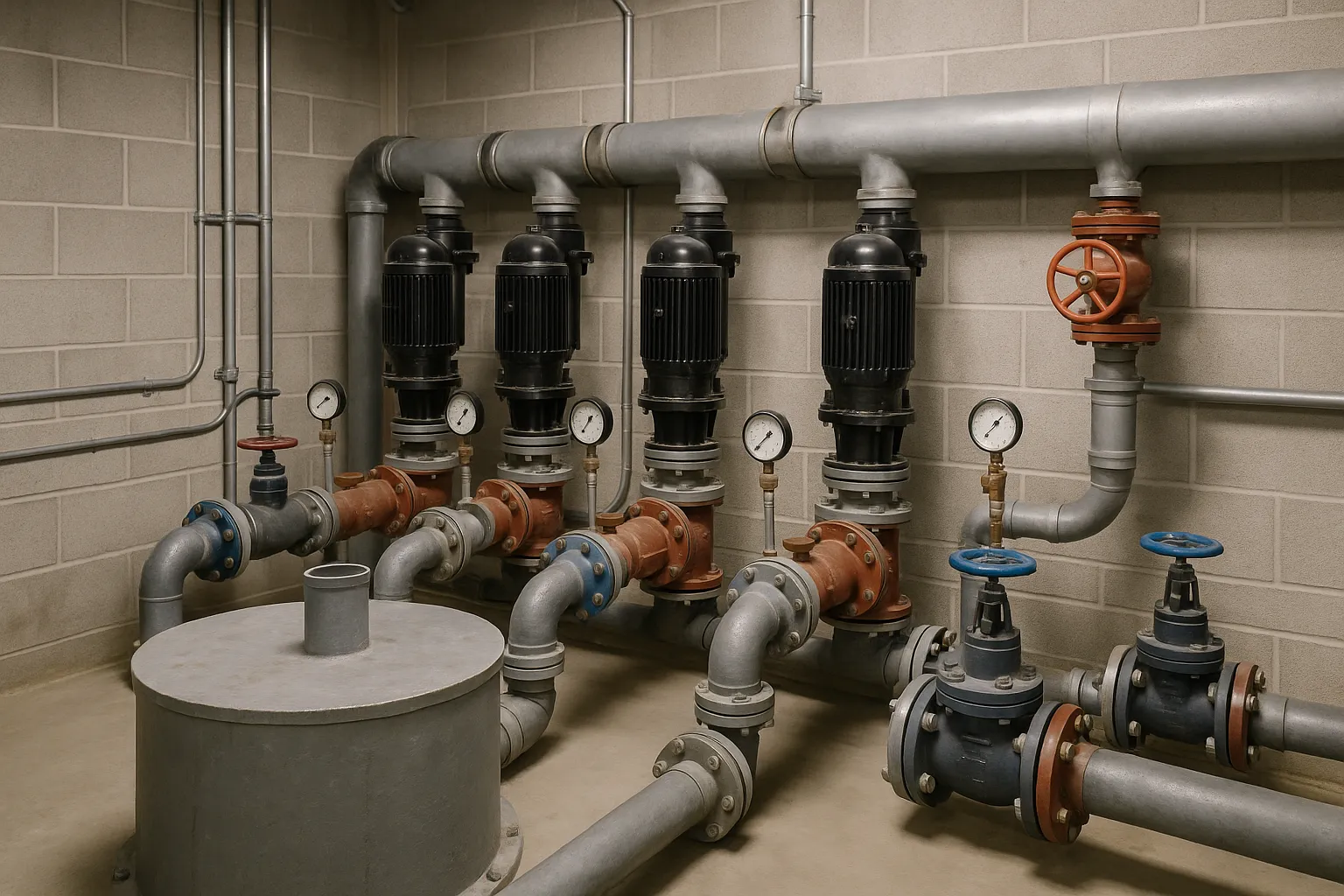
This development is relevant across multiple commercial asset classes because water supply piping systems serve different demand profiles depending on use. Office buildings may have heavily intermittent loads. Multifamily properties combine residential-style fixture use with commercial management requirements. Healthcare facilities demand reliability and strict compliance. Retail and hospitality properties often see variable peak usage. Industrial and warehouse sites may have specialized process or service demands.
That means the same sizing standard can have different consequences depending on the building type and the plumbing system layout. In some projects, the change may influence the main building service, risers, branches, booster pump selection, or pressure zoning. In others, the benefit may be limited to better documentation and more confidence during plan review.
- New construction teams may have more flexibility in sizing methodology.
- Renovation teams may need to compare the alternate standard against existing system conditions.
- Owners may gain a better basis for capital planning and lifecycle upgrades.
- Operators may see fewer pressure complaints if the final design better matches actual demand.
Action Steps for Facility Managers and Property Owners
For commercial real estate professionals, the immediate takeaway is to bring the design team, plumbing contractor, and code consultant into alignment early. If a project is in Colorado or subject to Colorado requirements, ask whether the Water Demand Calculator is being used, whether the AHJ accepts it for the specific scope, and how the sizing basis is being documented in the permit set.
Owners should also confirm how the selected approach affects related systems, including backflow prevention, pressure boosting, water heater capacity, recirculation, and fixture performance. In larger facilities, the sizing method can affect more than pipe diameters; it can influence pump selection, service entrance requirements, and the overall resilience of the domestic water system.
It is also smart to review manufacturer warranty requirements and commissioning expectations for equipment tied to the water supply system. If a design approach differs from the conventional standard, documentation becomes even more important for future maintenance, troubleshooting, and capital planning.

What This Means for Commercial Plumbing Procurement and Long-Term Operations
For procurement and facility management teams, alternate sizing standards can change how plumbing scope is evaluated during bidding. Bidders may need to explain which standard they used, how it was reviewed, and what assumptions were made about occupancy and demand. That helps ownership compare proposals more accurately and avoid accepting a low bid that creates long-term operational risk.
Over the life of the asset, better sizing can also support maintenance planning. Systems that are designed with a realistic demand model may be easier to balance, less prone to nuisance pressure issues, and more compatible with efficiency goals. In a market where water conservation, code compliance, and tenant comfort all matter, that is a practical benefit for commercial owners.
Colorado’s approval does not change the fundamentals: commercial water systems still need sound engineering, proper permitting, and verified installation. What it does offer is another approved path that may help the industry deliver better-performing plumbing systems when used correctly and reviewed by the right authority.
Frequently Asked Questions
Is the Water Demand Calculator now required for commercial plumbing projects in Colorado?
No. Based on the reported approval, it is an alternate standard, not a universal mandate. That means project teams may be able to use it where the AHJ accepts it, but they still need to confirm the adopted code, local amendments, and permit requirements before relying on it for sizing water supply piping.
How does this affect plumbing retrofit planning for commercial buildings?
For retrofits, the main impact is during engineering and permit review. The alternate sizing method may help teams better match system capacity to current demand, but existing pipe, pressure, and equipment conditions still govern what is practical. Owners should compare the design basis against the actual building use, fire/life safety impacts, and shutdown constraints.
What risks should property managers watch for when a contractor uses an alternate sizing method?
The key risks are permit rejection, poor coordination with the AHJ, and mismatches with related systems such as backflow prevention, boosters, and water heaters. Property managers should ask for the sizing basis, code references, and stamped drawings so the project can be verified during review, inspection, and turnover.
Does this have implications for water efficiency and public health in commercial properties?
Yes. The reported purpose of the alternate standard includes improving plumbing performance, water efficiency, and public health. For commercial buildings, that can mean better alignment between pipe sizing and real demand, which may reduce stagnant conditions, pressure issues, and system instability when the design is properly engineered and approved.
What should owners ask before approving a plumbing design that uses the calculator?
Owners should ask whether the AHJ accepts the method for the project, how the design compares to the applicable plumbing code, and whether the approach affects pressure, pump sizing, backflow devices, or equipment warranties. They should also confirm that the engineer and contractor will document the sizing basis for future maintenance and compliance records.
Related Reading on My Plumbing Tech
- PEX Tubing Standards Advisory: What Facility Managers Need to Know
- Sump Pump Maintenance for Commercial Buildings: A Practical Guide
Find a Qualified Commercial Plumbing Contractor
Need help acting on this? Browse commercial plumbers in your area, or explore commercial plumbing services like preventative maintenance, inspections, and emergency response. Are you a contractor? List your business on My Plumbing Tech to reach property and facility managers actively searching for help.
Originally sourced from PHCP Pros