 My Plumbing Tech
Sump Pump Maintenance for Commercial Buildings: A Practical Guide
Quick Answers for Property & Facility Managers
What is the most important sump pump maintenance task for commercial buildings?
The most important task is to test the pump under real operating conditions by verifying power, float movement, discharge flow, and backup power if installed. Commercial facilities should also inspect the pit, check valve, and discharge route regularly so a minor defect does not become a flood event.
How often should facility managers schedule sump pump maintenance?
At minimum, perform a quick visual check monthly and a functional test at least annually, with more frequent checks before rainy seasons or snowmelt. For commercial sites with critical below-grade space, quarterly inspections and documented testing are a better risk-management standard.
What is the ROI of preventive sump pump maintenance?
Preventive maintenance is typically far less expensive than emergency repairs, water extraction, tenant disruption, and asset damage. For commercial properties, the ROI comes from avoided downtime, fewer after-hours callouts, longer pump life, and lower risk of insurance claims tied to water intrusion.
Why sump pump maintenance matters in commercial properties
Sump pump maintenance is a risk-control task, not just a plumbing checkbox. In commercial buildings, sump systems protect below-grade spaces such as basements, mechanical rooms, elevator pits, parking levels, service corridors, and utility vaults from groundwater intrusion and rain events. Industry guidance consistently recommends routine testing, cleaning, inspection of moving parts, and backup-power verification so pumps are ready when needed.[1][3][4]
For facility managers, property managers, and commercial real estate professionals, the question is not whether a pump can move water during a light test. The question is whether the system will work during a storm, a power loss, or a prolonged inflow event. That means maintaining the entire system: basin, pump, float, check valve, discharge piping, electrical supply, backup power, and the conditions around the pit.[1][4][10]
Sump pump maintenance checklist for facility teams
Use a simple schedule so the task does not get buried in a larger preventive maintenance program. Several maintenance guides recommend monthly visual checks, seasonal tests, and annual deep inspection.[3][9][10]
- Monthly: Confirm the pump has power, the area is dry, the pit is free of debris, and there are no unusual odors, noises, or vibration during a short test cycle.
- Quarterly: Inspect the float switch, discharge piping, and check valve; confirm the discharge path is unobstructed and draining away from the building.
- Annually: Clean the basin, inspect internal components, test the pump with water, verify backup power, and document any worn parts for replacement.
- Before wet season or snowmelt: Perform a full functional test and confirm the system is ready for peak inflow conditions.[1][3][5][10]
For larger portfolios, align the schedule with your CMMS or vendor-managed service plan. The goal is consistency across office, retail, healthcare, warehouse, and multifamily properties with below-grade risk.
Step-by-step sump pump maintenance procedure
Follow a safe, repeatable process. If the pump supports a critical space, coordinate the work window so you are not testing during active high-inflow periods or after-hours occupancy.
1. De-energize and inspect safely
Unplug the pump or isolate power at the circuit, then verify the area is dry enough to work safely. Check the power cord, receptacle, and GFCI or breaker status, because a pump cannot protect the building if it is not receiving power.[2][4][10]
2. Clean the pit and pump intake area
Remove sediment, gravel, sludge, and debris from the basin and around the inlet screen. A clean pit reduces clogging, switch interference, and premature wear.[1][6][8][10]
3. Inspect the float, check valve, and discharge line
Make sure the float moves freely and is not rubbing the basin wall or piping. Confirm that the check valve is intact and that the discharge piping is open, properly routed, and not frozen, blocked, or draining back toward the pit.[1][13][17]
4. Run a water test
Pour clean water into the basin until the pump activates. Watch the start point, flow rate, and shutoff point. The unit should cycle on and off smoothly without short-cycling, grinding sounds, or lingering run time after the pit is empty.[2][7][17]
5. Verify backup power and alarms
If the site has a battery backup or alarm, test it explicitly. Backup power matters because storm-related outages often coincide with the exact conditions that overload sump systems.[1][4]
6. Document findings and correct defects
Log the date, test result, observed defects, and corrective action. For commercial portfolios, documentation supports vendor accountability, capital planning, and insurance risk management.
How sump pump maintenance connects to other building systems
Sump performance affects more than the pit itself. In a commercial building, water intrusion can disrupt adjacent systems and create secondary repair scope.
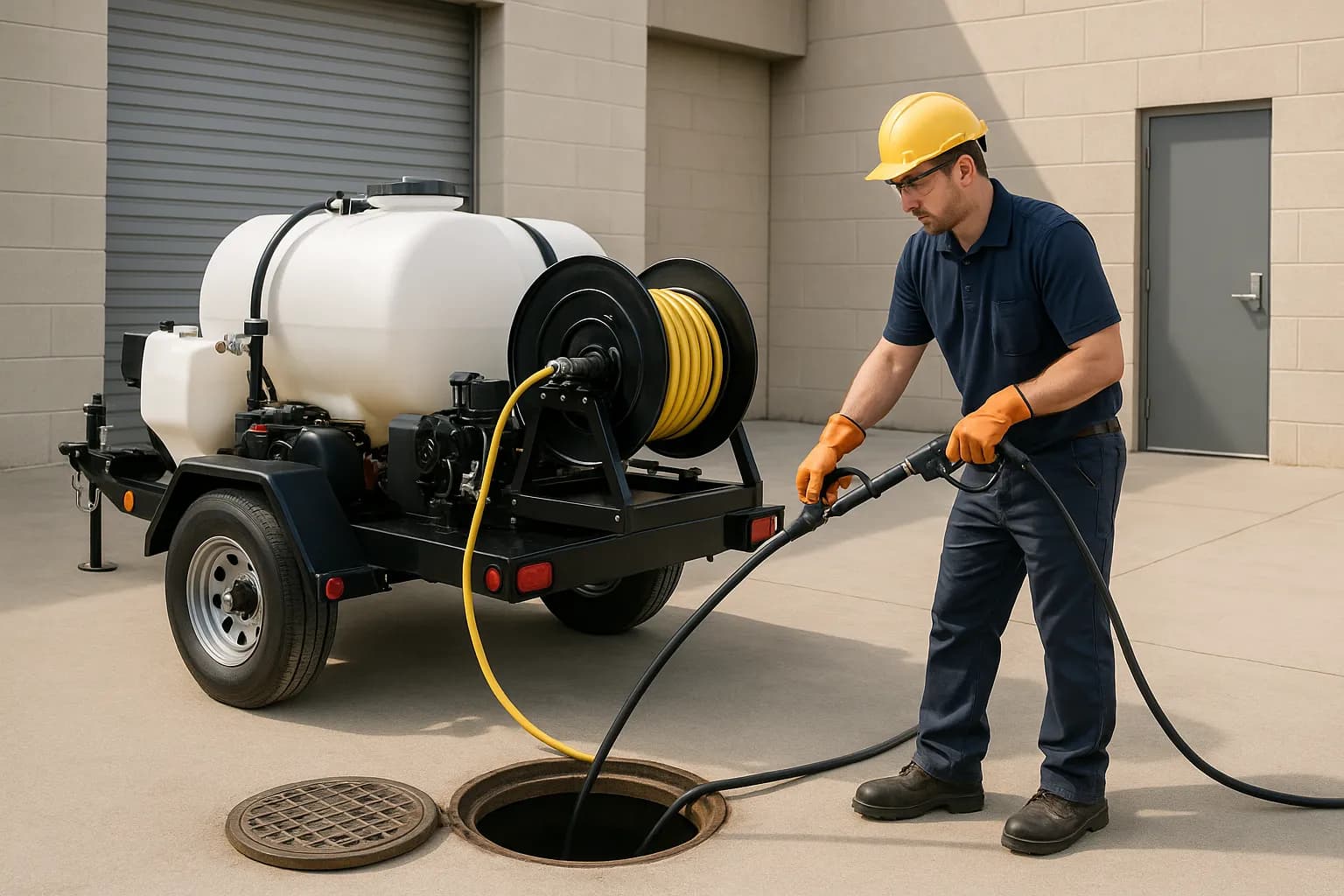
- Drain & Sewer: A compromised sump area can allow groundwater and surface water to stress foundation drains, storm drainage tie-ins, and nearby sewer-connected equipment. If discharge lines are blocked or poorly routed, water may recirculate into the same problem area.
- Water Supply / Distribution: Leaks from domestic water lines, hose bibbs, or irrigation backflow can increase basin inflow. If the sump is seeing unexpected water, inspect nearby supply piping for leaks before replacing the pump.
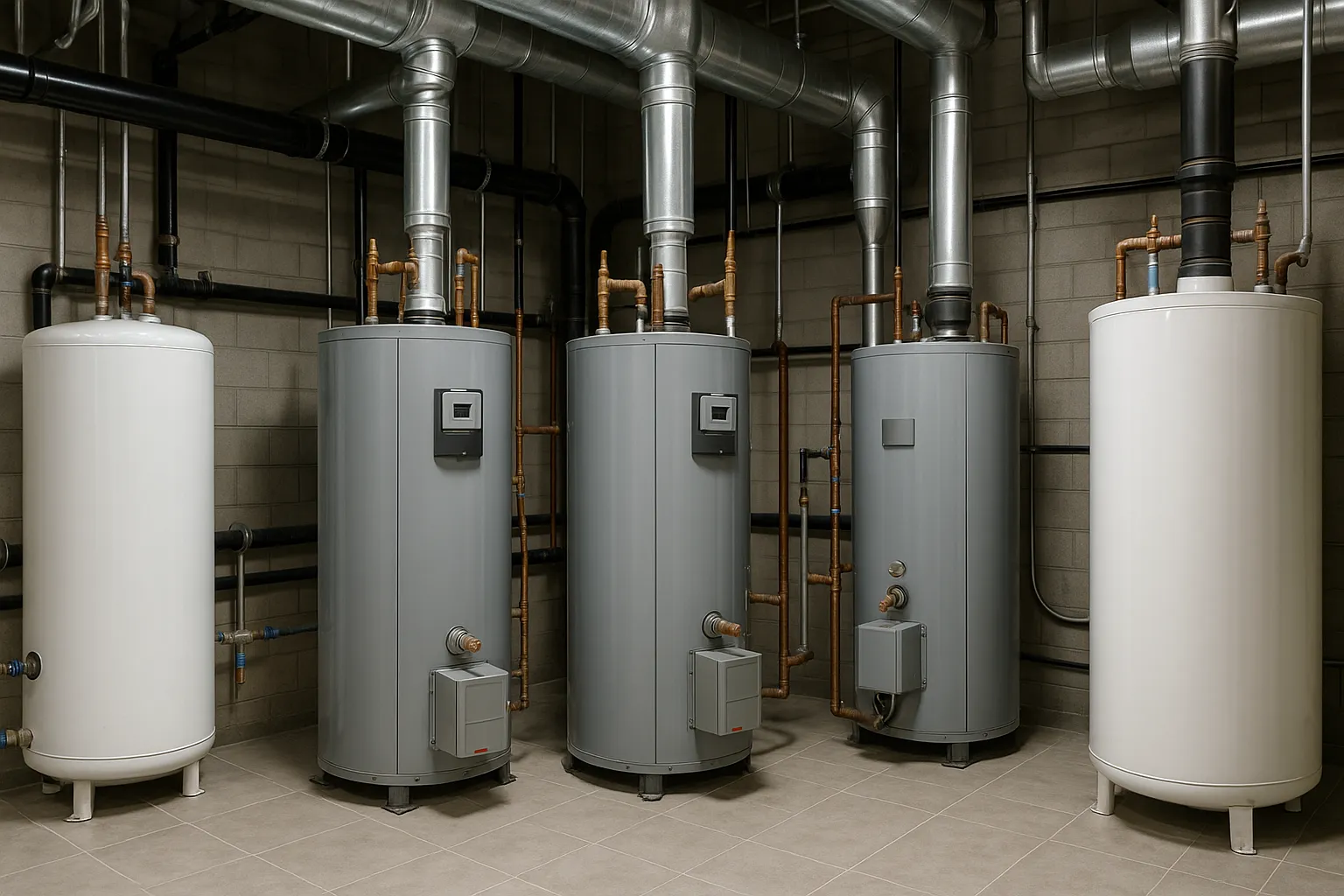
- Water Heaters (Commercial / Tankless): Mechanical rooms often share space with water heaters, softeners, and condensate lines. A sump failure can flood these assets and trigger hot-water downtime for tenants or operations.
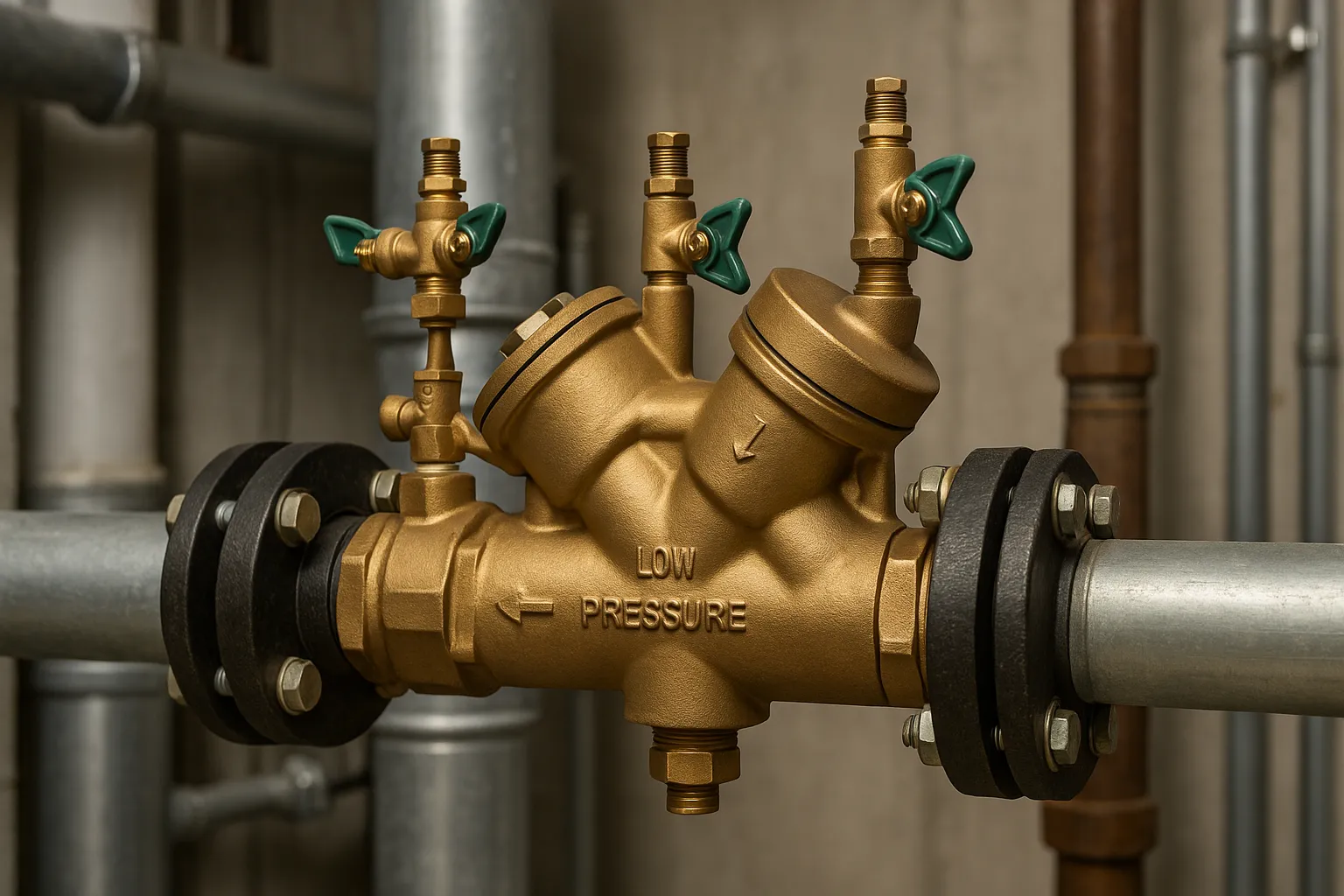
- Backflow Prevention: If a building relies on backflow assemblies for irrigation, make-up water, or process systems, confirm that the surrounding area stays dry enough for safe access, testing, and repair.
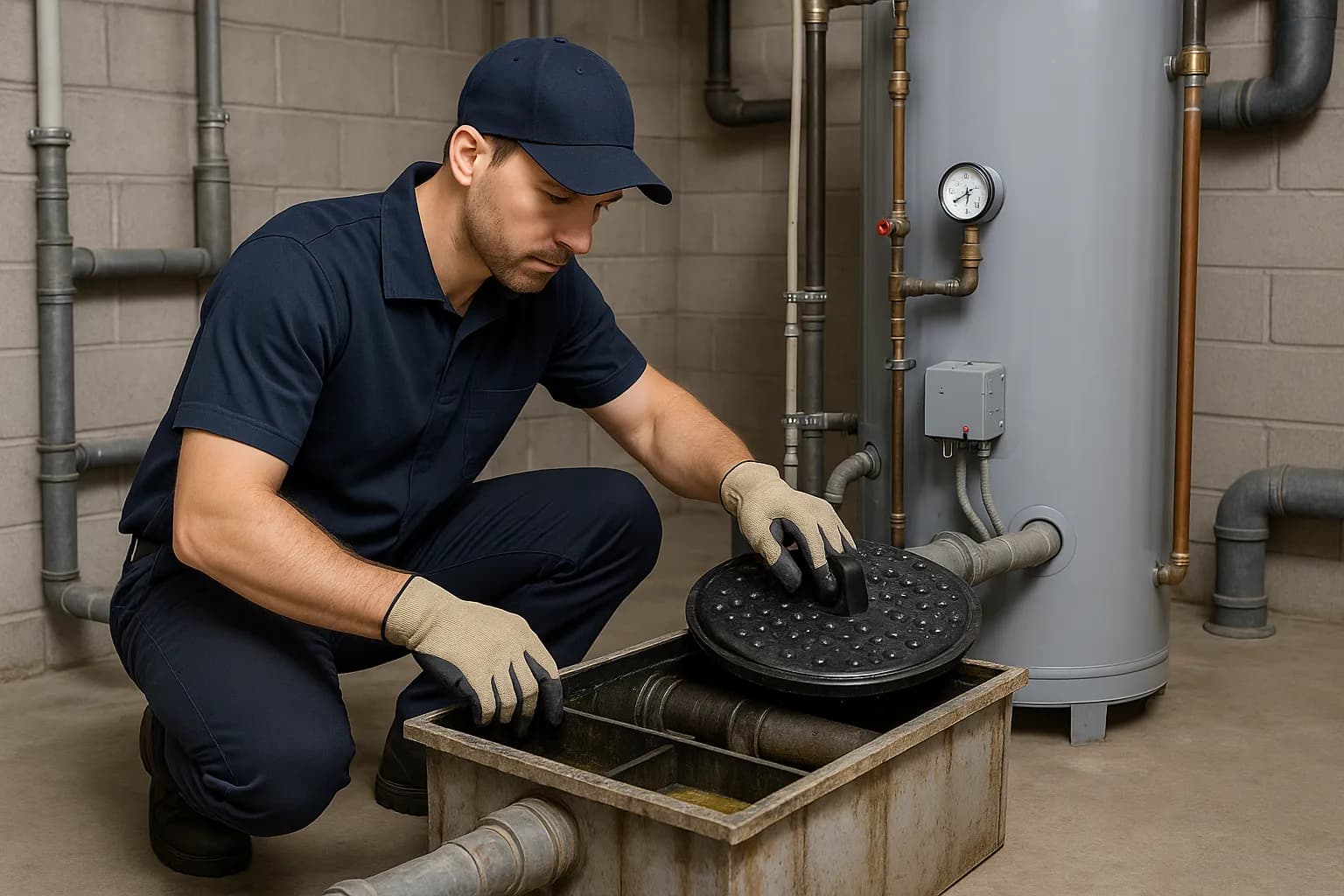
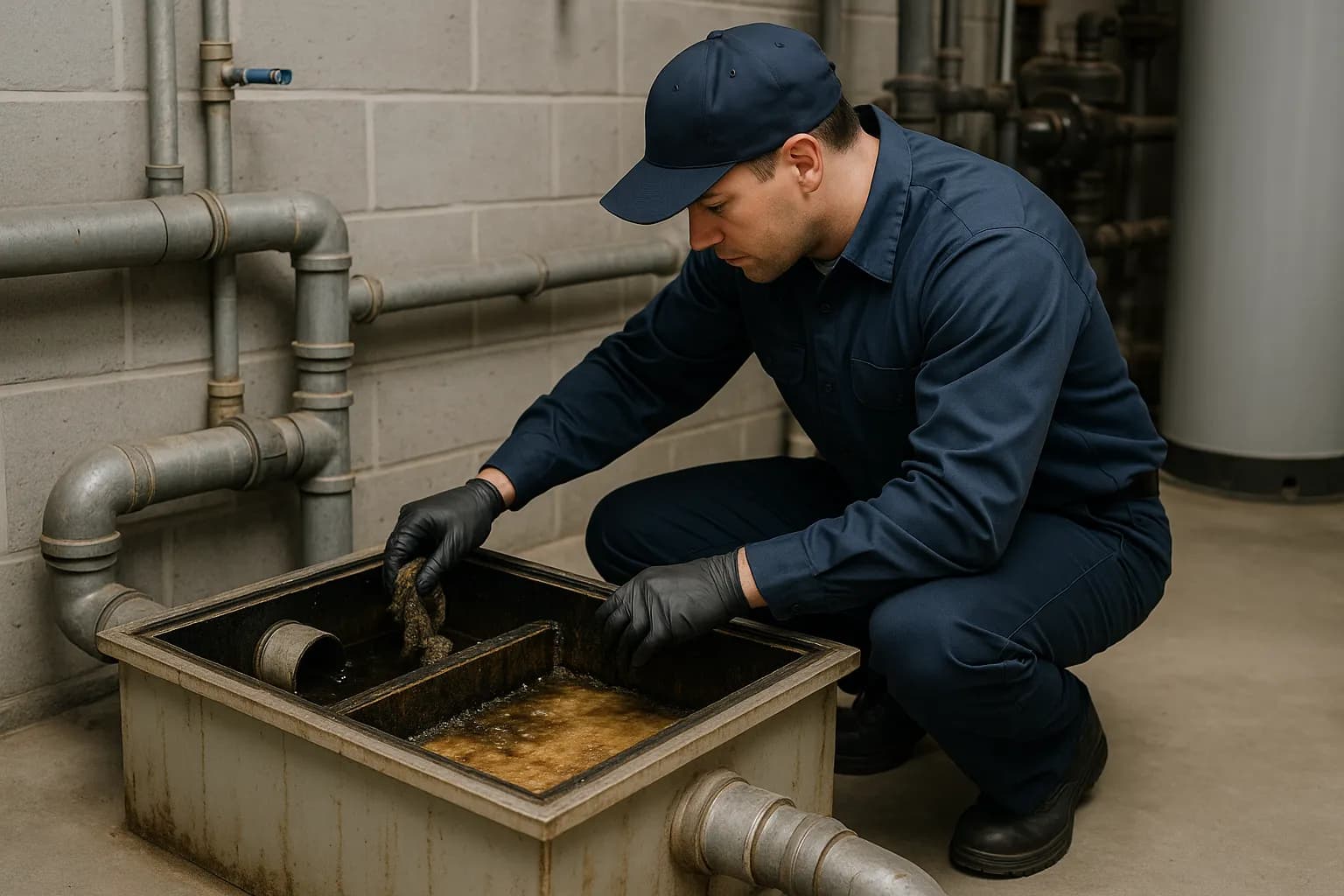
- Grease Interceptors: In mixed-use or food-service properties, stormwater or groundwater intrusion around service areas can complicate interceptor access and create sanitation concerns during cleanup events.
- Gas Piping: Sump flooding near gas piping or gas-fired equipment creates a safety issue that may require shutdown, inspection, and re-commissioning before the space returns to service.
For facility teams, the practical takeaway is simple: sump pump maintenance protects multiple assets at once, not only the pit and pump.
Repair, maintenance, or full replacement: how to decide
Commercial decision-making should be based on service life, failure pattern, and consequence of downtime. Maintenance is the lowest-cost option when the pump still starts reliably, the float works, and the discharge path is clear. Repair makes sense when a discrete component has failed, such as a check valve, float switch, or GFCI issue. Full replacement is usually the right call when the motor is weak, the pump is short-cycling, corrosion is advanced, or the unit has repeated failures under load.
As a rule of thumb, if the pump requires repeated service calls, cannot pass a water test, or has visible wear in a critical commercial space, replacement is often more cost-effective than ongoing troubleshooting. The business case is not only part cost; it is also avoided flooding, fewer emergency dispatches, less tenant disruption, and reduced risk to finishes, equipment, and inventory.
Commercial best practices for project-scale properties
For office towers, retail centers, healthcare facilities, warehouses, and multifamily assets, sump pump maintenance should be treated as a site-critical preventive maintenance item.
- Assign an owner in the CMMS or work order system.
- Set seasonal reminders before high-rain or snowmelt periods.
- Keep a spare pump, float, or backup battery for critical sites.
- Train on-site staff to recognize abnormal cycling, odors, noise, and discharge issues.
- Use vendor service for deep cleaning, electrical troubleshooting, and replacement planning.
- Review flood history and increase inspection frequency if the property has recurring water intrusion.
In higher-risk buildings, the cost of a missed failure can far exceed the cost of preventive service, especially when cleanup, tenant interruption, and restoration are included. That is why commercial sump pump maintenance should be scheduled, documented, and verified—not assumed.
Frequently Asked Questions
How much does commercial sump pump maintenance cost compared with replacement?
Routine maintenance is usually the lowest-cost option because it focuses on cleaning, testing, and minor adjustments. Repair costs rise when components such as floats, check valves, or electrical controls fail. Full replacement becomes more economical when the pump is old, corroded, or unreliable under load, especially in critical below-grade spaces where downtime is expensive.
What signs tell a facility manager that a sump pump is near failure?
Warning signs include frequent cycling, slow discharge, unusual vibration, grinding or humming sounds, visible corrosion, a stuck float, water left in the pit after testing, or a tripped GFCI/breaker. If the system fails a water test or backup power test, treat it as an operational risk and plan corrective work immediately.
Should commercial buildings have a battery backup sump pump?
Yes, many commercial properties benefit from backup power because storm events and outages often happen together. A battery backup reduces flood risk when the primary power supply fails. For critical spaces, the backup should be tested on a schedule and sized for the actual inflow and runtime requirements of the building.
How often should a sump pump be replaced in a commercial building?
There is no universal replacement interval because service life depends on inflow, duty cycle, pump quality, and maintenance history. Replace the pump when it no longer passes reliable functional tests, shows advanced wear, or becomes more expensive to keep repairing than to replace. Critical facilities should use condition-based replacement, not wait-for-failure planning.
What documentation should property managers keep for sump pump maintenance?
Keep the inspection date, technician name, test result, observed defects, photos if available, repair actions, backup-power test outcome, and the next service date. Documentation helps with budgeting, vendor oversight, warranty support, and insurance or loss-prevention reviews after a water intrusion event.
Related Reading on My Plumbing Tech
- Commercial Plumbing News: What Facility Managers Need to Know When Recent Stories Are Limited
- Pipe Relining for Commercial Buildings: Cost-Efficient, Trenchless Pipe Rehabilitation Guide
Find a Qualified Commercial Plumbing Contractor
Need help acting on this? Browse commercial plumbers in your area, or explore commercial plumbing services like preventative maintenance, inspections, and emergency response. Are you a contractor? List your business on My Plumbing Tech to reach property and facility managers actively searching for help.