 My Plumbing Tech
Pipe Relining for Commercial Buildings: Cost-Efficient, Trenchless Pipe Rehabilitation Guide
Quick Answers for Property & Facility Managers
What is pipe relining and when is it best for commercial buildings?
Pipe relining is a trenchless process that installs a resin-saturated liner inside existing pipes, creating a new, seamless pipe without excavation.For commercial buildings, it is ideal when sewer or drain lines are structurally sound enough to host a liner but are leaking, corroded, root‑intruded, or difficult and expensive to access.[2][8][10]
Is pipe relining cheaper than full pipe replacement for commercial facilities?
Pipe relining often has a similar or higher unit price per foot than traditional replacement, but total project cost is usually lower because it avoids demolition, excavation, slab and landscape restoration, and extended shutdowns. Sources note that relining is frequently significantly less expensive than replacement in unexposed commercial piping.[1][2][5][8]
How long does commercial pipe relining last and what downtime should we expect?
Modern epoxy and CIPP liners typically provide 30–50 years of service life when properly installed and maintained, with minimal joints and high resistance to corrosion and root intrusion.[2][6][8] Many commercial relining projects are completed in a day or two per run, dramatically reducing downtime versus conventional replacement.[2][3]
What Pipe Relining Means for Commercial Facility Managers
Pipe relining is a trenchless pipe rehabilitation method that restores damaged piping from the inside using a resin-saturated liner that cures in place, forming a new pipe within the old one.[10] For commercial properties, this approach is widely used on sewer and drain lines, and in some cases water distribution and process piping, where access is difficult and disruption is costly.[2][8]
Relining avoids the extensive excavation, slab cutting, and demolition associated with conventional pipe replacement.[1][3][7][8] Instead, contractors work from cleanouts, manholes, or small access pits, which is critical in high-value environments such as shopping centers, hospitals, office towers, and industrial plants.[3][8] As a result, facility managers can tackle aging underground infrastructure without shutting down entire floors or displacing tenants.
For commercial portfolios, pipe relining is a strategic tool to extend asset life, defer large capital projects, and reduce business interruption risks, particularly for sewer, storm, and specialized process drains that run beneath slabs or through congested utility chases.[1][3][4][8]
Core Benefits of Pipe Relining for Commercial Properties
Industry sources consistently highlight several key advantages of pipe relining in commercial settings:
- Minimal disruption and downtime: Pipe lining typically proceeds via small access points, allowing businesses to remain open and operations to continue with little interruption.[2][3][4][6][8] This is especially valuable in food courts, healthcare facilities, and industrial plants where shutdowns are highly disruptive.[3][8]
- Reduced structural and finish impacts: Relining avoids breaking slabs, tearing up landscaping, or opening finished interiors, preserving property value and tenant satisfaction.[1][3][4][7][8]
- Cost-effectiveness versus replacement: While relining may have a higher material cost per foot, eliminating excavation, interior demolition, and restoration usually makes the total cost significantly lower than full replacement of unexposed pipes.[1][2][5][7][8]
- Long service life and durability: Epoxy and CIPP liners form a seamless, joint-free pipe that resists corrosion, root intrusion, and many chemicals, with typical life expectancy in the 30–50 year range.[2][4][6][8][9]
- Leak elimination and capacity restoration: By creating a smooth internal surface and sealing cracks, relining stops active leaks, improves flow, and restores structural integrity.[2][5][8]
- Environmental and safety benefits: Trenchless methods reduce spoil disposal, new material consumption, and site safety hazards compared with open-cut replacement.[4][8][9]
For property and facility managers, these benefits translate into lower life-cycle costs, fewer tenant complaints, and reduced risk of catastrophic failures in critical sewer and drain systems.
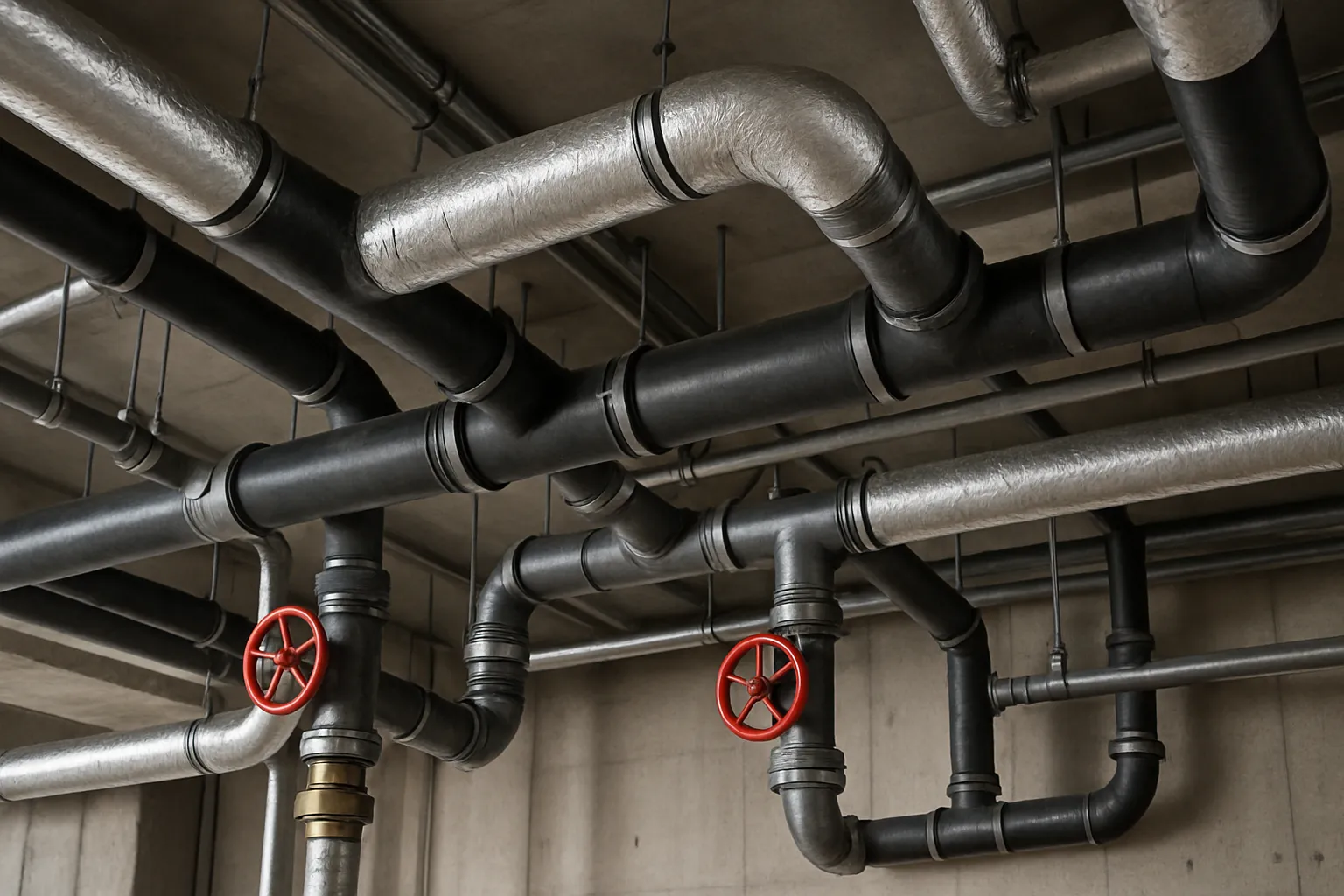
Where Pipe Relining Fits Across Commercial Plumbing Systems
Pipe relining is not a one-size-fits-all solution. Managers should understand where it is commonly used and where conventional replacement or spot repairs remain preferable.
Sewer, Drain, and Storm Systems
This is the primary application for pipe relining. Trenchless liners are widely used on building sewer laterals, sanitary mains, branch drains, and storm lines under slabs or parking areas.[1][3][4][7][8] Typical defects include root intrusion, corrosion, joint offsets, and cracking. CIPP and epoxy lining can restore these systems with minimal disturbance, including complex runs beneath retail or multi-tenant office spaces.[3][8]
Water Supply and Distribution
Epoxy pipe liners are used in some commercial potable water and process water applications, especially in older buildings with internal corrosion and tuberculation in metallic pipes.[9] Sources note that epoxy pipeliners can be non-toxic and safe for potable water when properly engineered and certified.[9] However, not all jurisdictions and codes accept relining for pressurized potable mains; facility managers must coordinate with design professionals and AHJs (Authorities Having Jurisdiction) to confirm IPC/UPC and local code compliance.
Commercial Water Heaters and Circulating Lines
While relining is not applied inside water heater vessels themselves, it can be considered for associated hot water recirculation loops and distribution branches that are corroded but hard to access. Engineering review is essential to confirm temperature and pressure suitability for the chosen liner system and to assess whether targeted replacement may be more appropriate.
Backflow Prevention, Grease Interceptors, Gas Piping
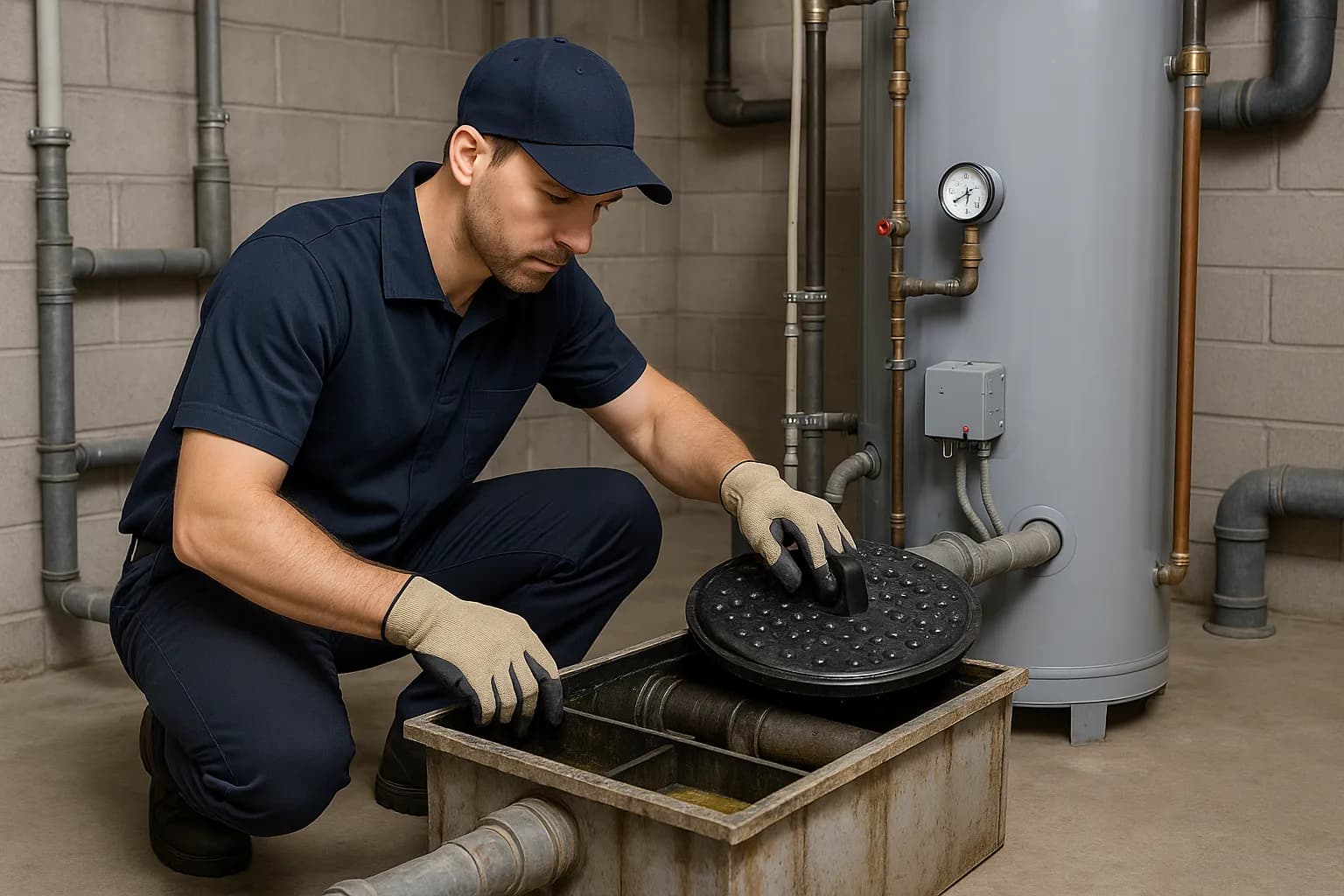
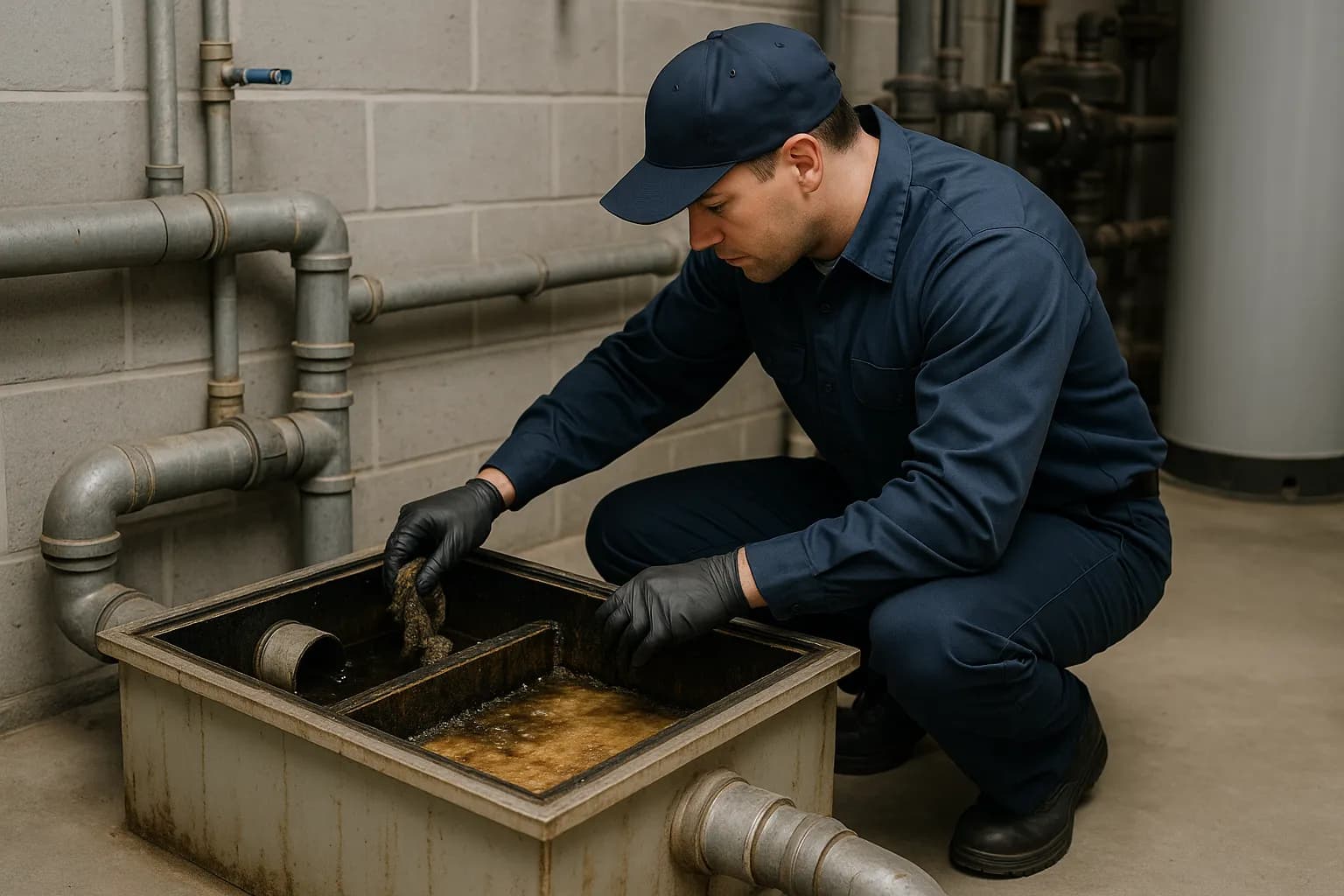
Backflow assemblies and gas piping are generally replaced or rebuilt, not relined, due to regulatory and certification requirements. However, inlet and outlet lines to grease interceptors or large separators may be candidates for relining when located under commercial kitchens or loading docks, where excavation would be disruptive or unsafe.[3][7] Managers should expect specialized design input for any relining near food service or critical protection devices.
Step-by-Step Pipe Relining Process for Commercial Projects
While vendors vary, most commercial pipe relining projects follow a similar staged approach.[2][8][10] Understanding the steps helps managers scope work, plan outages, and evaluate proposals.
1. Investigate and Map the System
CCTV inspections and cleaning are performed first to locate defects and confirm that the host pipe is a suitable candidate.[2][8] The contractor records pipe materials, diameters, lengths, laterals, and connection points (cleanouts, manholes, mechanical rooms). Managers should request video files, condition reports, and a drawing or GIS map of the affected runs.
2. Cleaning and Surface Preparation
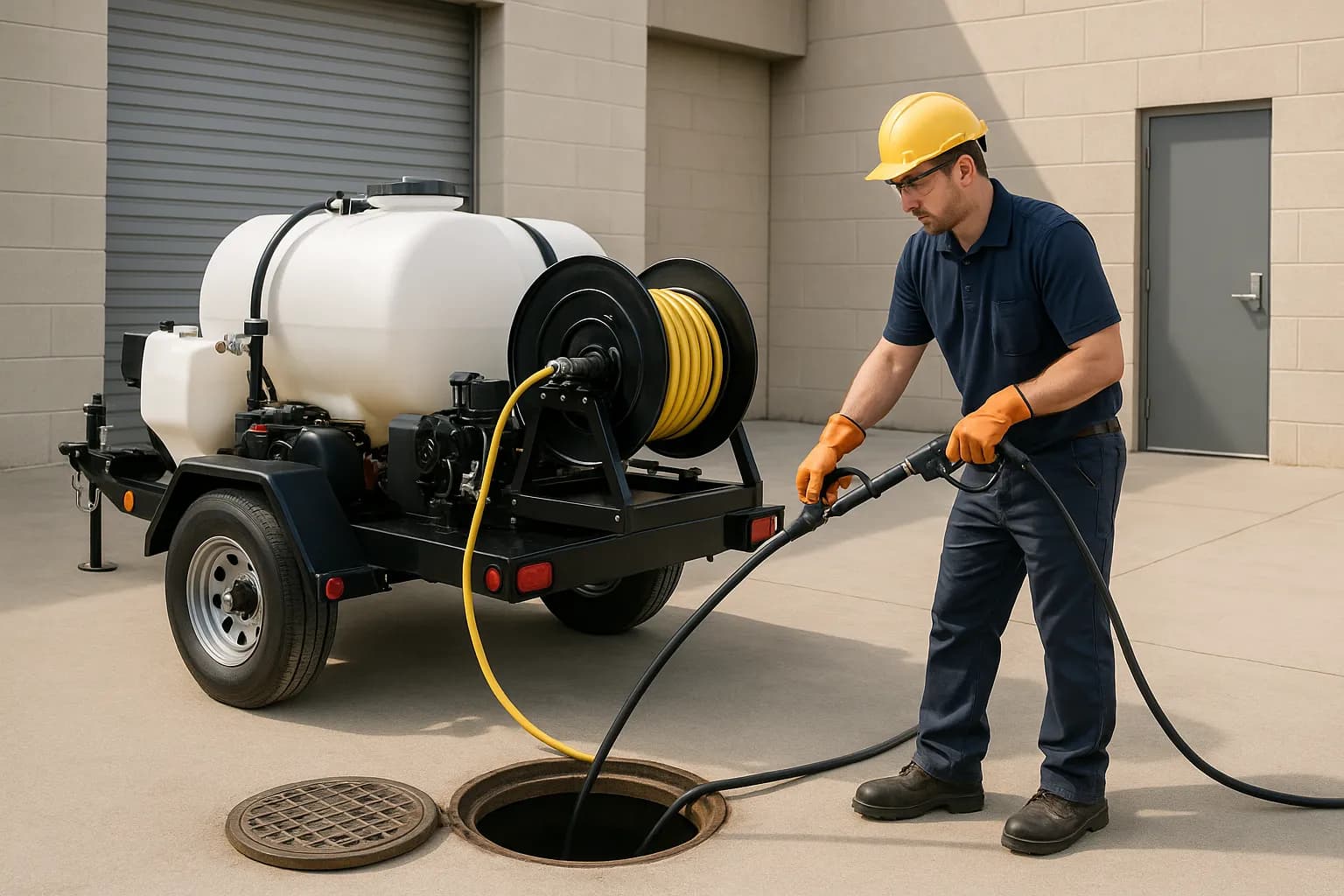
High-pressure water jetting or mechanical cleaning removes scale, roots, and debris to prepare a stable surface for liner bonding and curing.[2][8] In commercial sewers, this step is essential for removing grease, food waste, and industrial residues. Facility teams should plan temporary flow bypass or usage reductions during cleaning to protect tenants and prevent back-ups.
3. Liner Design and Resin Selection
The contractor selects a liner type (e.g., felt or fiberglass CIPP, epoxy-coated liner) and a resin formulation compatible with pipe material, temperature, chemical exposure, and regulatory requirements.[8][9] For industrial plants and food facilities, chemical resistance and potable water approvals may be critical.[8][9] Managers should ask vendors to document design assumptions, expected service life, and warranty terms.
4. Installation (Insertion and Inflation)
The resin-saturated liner is inserted through access points using inversion or pull-in methods, then pressurized with air or water so it conforms tightly to the host pipe.[8][10] This step typically requires temporary isolation of the line. In multi-tenant buildings, clear communication with occupants about short-term restroom and kitchen restrictions is key.
5. Curing and Post-Installation QA
The liner is cured using ambient conditions, hot water, steam, or UV light, depending on the system.[8][10] After curing, technicians perform CCTV verification to confirm proper fit, reinstatement of laterals, and flow capacity.[2][8] Managers should insist on QA deliverables: post-cure video, test results (if applicable), and documentation suitable for capital asset records.
6. Commissioning and Maintenance Planning
Once accepted, the relined pipe goes back into service. Most manufacturers recommend periodic CCTV inspections and cleaning intervals appropriate for usage (e.g., high-grease restaurant lines vs. low-load office sewers).[4][7][8] Facility managers should incorporate relined segments into preventive maintenance plans and asset management systems.
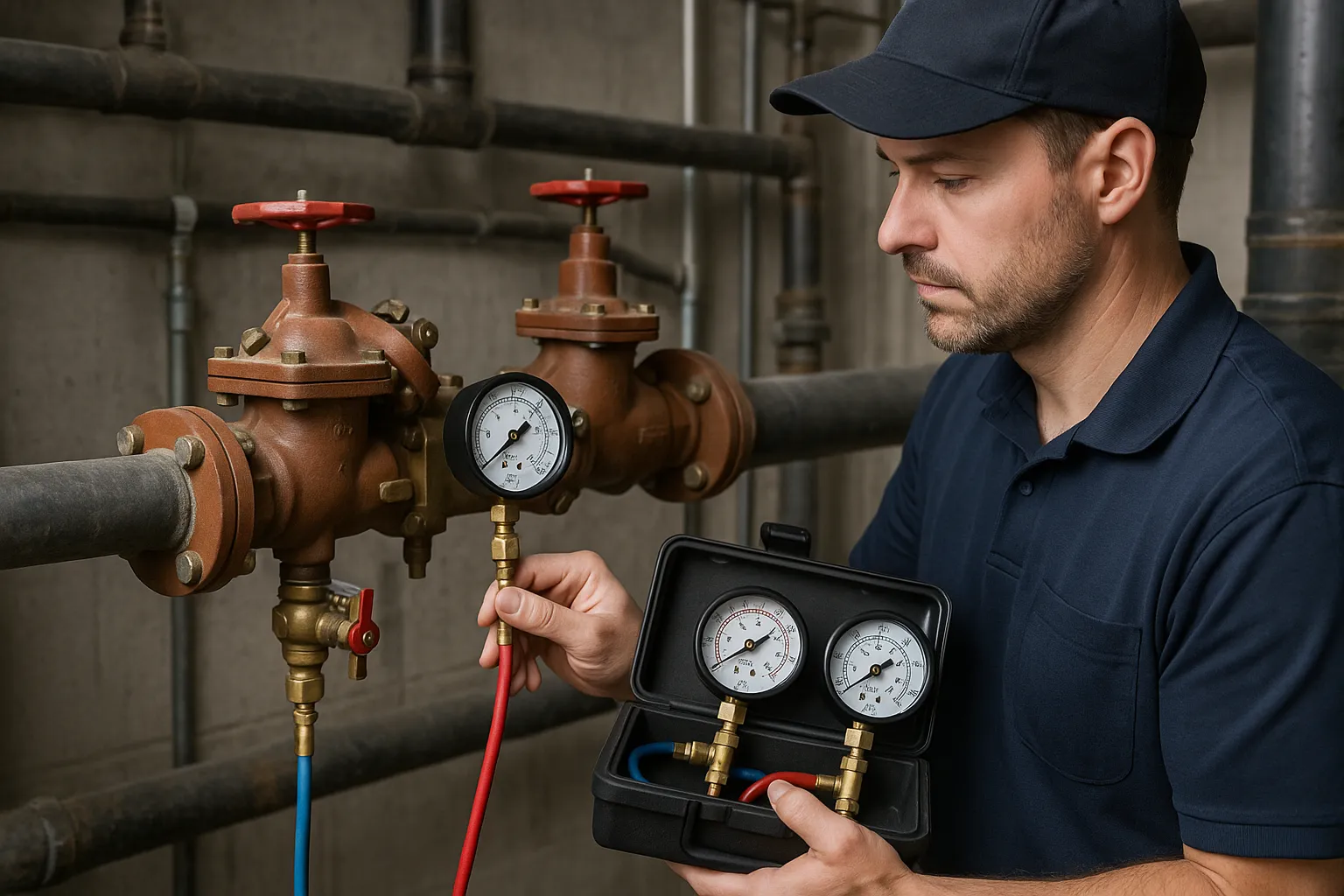
Cost, ROI, and When to Choose Pipe Relining vs. Replacement
Industry sources consistently emphasize that pipe relining can be significantly less expensive than replacing unexposed commercial pipes, mainly by avoiding excavation and restoration.[1][2][5][7][8][9] However, the economics depend on context and project scale.
Cost Drivers for Pipe Relining
Key factors influencing relining cost include:
- Pipe length and diameter: Larger diameters and longer runs increase material and cure-time costs.
- Access complexity: Work confined to a few cleanouts is more cost-effective than projects requiring multiple pits or night work in occupied spaces.
- Condition and cleaning needs: Heavy scaling, root intrusion, or industrial residues increase preparation time.[2][8]
- Resin and liner specification: Chemically-resistant, high-temperature, or potable-approved systems can carry premium pricing.[8][9]
Despite these drivers, sources note that avoiding interior demolition, slab restoration, landscape repair, and extended business shutdown typically makes relining financially attractive versus conventional replacement.[1][2][5][7][8]
ROI Context: Repair, Maintenance, or Full Replacement?
For facility managers, the decision is usually between spot repairs, relining, or full replacement.
- Spot repairs (e.g., localized excavation) may be suitable for single defects near accessible areas but offer limited long-term protection if the rest of the line is aging.
- Pipe relining delivers a new, seamless pipe within the existing run, effectively becoming a capital improvement that extends service life by decades at a lower total cost than full replacement in many commercial scenarios.[1][2][4][5][6][8]
- Full replacement may be required when the host pipe is collapsed, severely deformed, or nonviable for lining, or when major system reconfiguration is planned. While more disruptive, it may be preferred for short, easily accessed segments.
Relining is most compelling where downtime and interior disruption are costly: food courts, hospitals, data centers, multi-tenant offices, manufacturing plants, and large retail centers.[3][8] Here, preserving continuous operations often outweighs modest differences in material cost.
Practical Checklists for Facility and Property Managers
Pre-Project Evaluation Checklist
- Confirm that the target system (typically sewer or drain) is a candidate for pipe relining, with structurally sound host pipe and accessible entry points.[2][8]
- Obtain CCTV footage and condition reports for all sections under consideration.
- Determine business-critical areas (e.g., kitchen, restrooms, process drains) to schedule work around peak usage.
- Engage design or engineering review for any relining of potable water, process lines, or near backflow/grease systems to ensure compliance.
- Request comparative proposals: trenchless relining vs. conventional replacement, including downtime, restoration, and tenant impacts.
Vendor Selection Checklist
- Verify commercial and industrial experience, not just residential, including previous work in similar building types.[3][8][10]
- Ask for manufacturer certifications and training for specific liner systems (epoxy, CIPP).[8][10]
- Review warranty terms (material and installation) and expected service life (often 30–50 years).[2][6][8]
- Require pre- and post-installation CCTV documentation and as-built mapping.
- Confirm safety protocols and communication plans for occupied buildings.
Operations and Maintenance Checklist Post-Relining
- Integrate relined runs into the facility’s asset register with installation dates and warranty details.
- Schedule periodic CCTV inspections based on usage and risk profile.[4][7][8]
- Maintain appropriate cleaning intervals for high-grease or high-solids lines to preserve flow capacity.
- Coordinate future projects (e.g., tenant build-outs) around known relined segments to avoid accidental damage.
With these checklists, property and facility managers can treat pipe relining as a planned capital improvement rather than an emergency-only tactic, improving predictability and financial outcomes across their portfolios.
Frequently Asked Questions
How should facility managers evaluate the ROI of pipe relining versus traditional pipe replacement?
ROI evaluation should consider more than material and labor rates per foot. Facility managers need to factor in avoided demolition, slab restoration, landscaping, permits, and extended shutdowns. Sources indicate that cured-in-place pipe relining often delivers decades of service at a significantly lower total project cost for unexposed commercial piping, with far less operational disruption.[1][2][5][8]
Is commercial pipe relining compliant with building codes and safe for potable water systems?
For sewer and drain systems, trenchless relining is widely accepted when installed per manufacturer guidance and applicable standards. Epoxy pipe liners can be engineered to be non-toxic and suitable for potable water and food systems, but facility managers must confirm that the selected products and designs meet IPC/UPC and local code requirements and have appropriate certifications before lining pressurized potable lines.[8][9]
What are the main risks or limitations of pipe relining in commercial buildings?
Relining cannot fix fully collapsed or severely deformed pipes where a liner cannot be properly inserted or expanded.[2][8] Improper cleaning, resin selection, or curing can compromise performance. Complex connections and laterals require skilled reinstatement to avoid flow issues. These risks are reduced by thorough inspection, engineering review for non-standard applications, and selecting experienced commercial trenchless contractors.[2][8][10]
How does pipe relining impact business continuity in high-traffic facilities like malls, hospitals, or plants?
Trenchless relining is designed to minimize downtime by accessing pipes through small openings, allowing many projects to be completed in one to two days per run with localized shutdowns.[2][3][8] In examples such as shopping centre food courts and industrial plants, sources note that relining enables restaurants and production lines to keep operating while repairs proceed below slabs.[3][8]
What should property managers demand in terms of documentation and warranties on a pipe relining project?
Managers should require pre- and post-installation CCTV videos, condition reports, as-built maps of relined segments, and written warranties covering materials and workmanship. Many commercial pipe lining systems advertise 30–50 year life expectancy with warranty backing.[2][6][8] Documentation should be sufficient for capital planning, future due diligence, and coordination with insurers or lenders.
Related Reading on My Plumbing Tech
- IAPMO Webinar: What Facility Managers Need to Know About Upcoming Plumbing Code Education
- Bobyard Plumbing Takeoff: AI Estimating for Commercial Plumbing
Find a Qualified Commercial Plumbing Contractor
Need help acting on this? Browse commercial plumbers in your area, or explore commercial plumbing services like preventative maintenance, inspections, and emergency response. Are you a contractor? List your business on My Plumbing Tech to reach property and facility managers actively searching for help.