 My Plumbing Tech
Bobyard Plumbing Takeoff: AI Estimating for Commercial Plumbing
Quick Answers for Property & Facility Managers
How does Bobyard Plumbing Takeoff help property and facility managers get faster, more reliable plumbing bids?
Bobyard Plumbing Takeoff uses AI to read P‑series plumbing drawings, detect pipe runs, count components, and organize quantities by system, size, material, floor, and scope. This automation reduces manual errors and speeds up estimating, helping owners and facility managers receive more consistent, comparable bids and tighter preconstruction timelines.
What does AI-native plumbing takeoff mean for large commercial projects and capital planning?
AI-native plumbing takeoff automates measurement and counting from design drawings, freeing estimators to focus on scope review, code compliance, pricing, and coordination with general contractors. For large commercial projects, this supports more accurate budgets, clearer alternates, and better alignment with long-term capital plans.
Will AI estimating replace human plumbing estimators on commercial jobs?
AI estimating does not replace human estimators; it removes repetitive measurement and counting work. Estimators stay responsible for interpreting scope, validating quantities, checking IPC/UPC compliance, evaluating risk and labor, and coordinating with general contractors. The result is more time on decisions and less on manual takeoff.
AI-native plumbing takeoff: what Bobyard’s launch means for commercial properties
Bobyard has announced Bobyard Plumbing Takeoff, an AI-native takeoff and estimating platform built specifically around commercial plumbing workflows. The tool is designed to read P‑series plumbing drawings, automatically detect pipe runs, count fittings and fixtures, identify risers, and organize quantities by system, size, material, floor, and scope. For property managers, facility managers, and building owners, this is not a field tool; it is a preconstruction and estimating tool that can materially change how plumbing bids are produced and evaluated.
Because commercial plumbing is tightly regulated under codes such as the International Plumbing Code (IPC) and Uniform Plumbing Code (UPC), and must align with ASSE backflow standards, EPA cross-connection control guidance, and local Authority Having Jurisdiction (AHJ) requirements, the quality of the takeoff directly affects cost, schedule, and compliance. AI-enhanced estimating can help your contractors spend less time clicking through drawings and more time validating code-driven details and risk factors that matter to your buildings.
How Bobyard Plumbing Takeoff works with P-series plumbing drawings
Bobyard Plumbing Takeoff is tailored to P‑series plumbing drawings used on commercial projects. These design sheets document domestic water, sanitary, storm, gas, and specialty systems across multiple floors and zones. Traditionally, plumbing estimators manually trace pipe runs, count fixtures, and build system-by-system quantity sheets in spreadsheets or estimating software. That process is time-consuming and prone to small errors that can compound into change orders later.
Bobyard’s AI engine is built to:
- Read P‑series plans to identify plumbing systems across the building, including mains, branches, and risers.
- Detect pipe runs and measure lengths by diameter and material class, supporting accurate material takeoff for copper, steel, PEX, PVC, and other commercial materials.
- Count components such as valves, fittings, cleanouts, fixtures, floor drains, and equipment connection points.
- Identify risers and vertical elements, which are critical to multi-story domestic water, sanitary, and fire-related plumbing systems.
- Organize quantities by system (e.g., domestic cold water, sanitary, storm, gas), size, material, floor, and scope package so estimators can price alternates and phases clearly.
Instead of replacing the estimator, the platform automates measurement and counting. Estimators then focus on scope review, labor assumptions, phasing, and compliance considerations, especially for complex needs like backflow prevention in accordance with ASSE standards, cross-connection control per EPA guidance, and AHJ inspection requirements.
Why AI plumbing estimating matters to property and facility managers
Although Bobyard Plumbing Takeoff is aimed at contractors, the impacts are felt directly by owners and facility managers who rely on accurate bids and predictable delivery. Manual takeoff is where many small errors enter a bid: missed fixture counts, under-measured pipe, or miscategorized systems. These errors can contribute to change orders, schedule pressure, or deferred scope that later becomes a maintenance burden.
By automating takeoff, AI helps contractors:
- Reduce quantity errors, decreasing the chance of underpriced materials or missing scope.
- Standardize how quantities are organized (by floor, system, and scope), making it easier for general contractors and owners to understand what is included.
- Turn around bids faster, which can be important when owners are managing multiple projects or tight preconstruction timelines.
- Allocate more estimator time to risk review, including code compliance, access constraints, phasing around tenant operations, and special systems such as grease interceptors or medical gas.
For property managers, this translates into more consistent bids across plumbing contractors, better comparability when evaluating proposals, and greater confidence that the system designs for domestic water, sanitary and storm drains, gas piping, booster pumps, and sump/lift stations are being priced with care.
Implications for code compliance and inspection risk
Commercial plumbing is governed by model codes (IPC or UPC, depending on jurisdiction) that are adopted and enforced by local AHJs through plan review, permitting, and inspection. Backflow prevention must align with ASSE standards and EPA cross-connection requirements, and many projects must account for OSHA safety expectations during construction. None of these obligations go away with AI estimating, but freeing estimator time can improve attention to them.
When takeoff is automated, estimators can invest more effort in:
- Verifying fixture counts and locations against occupancy and use requirements in IPC/UPC, reducing the risk of redesign late in the process.
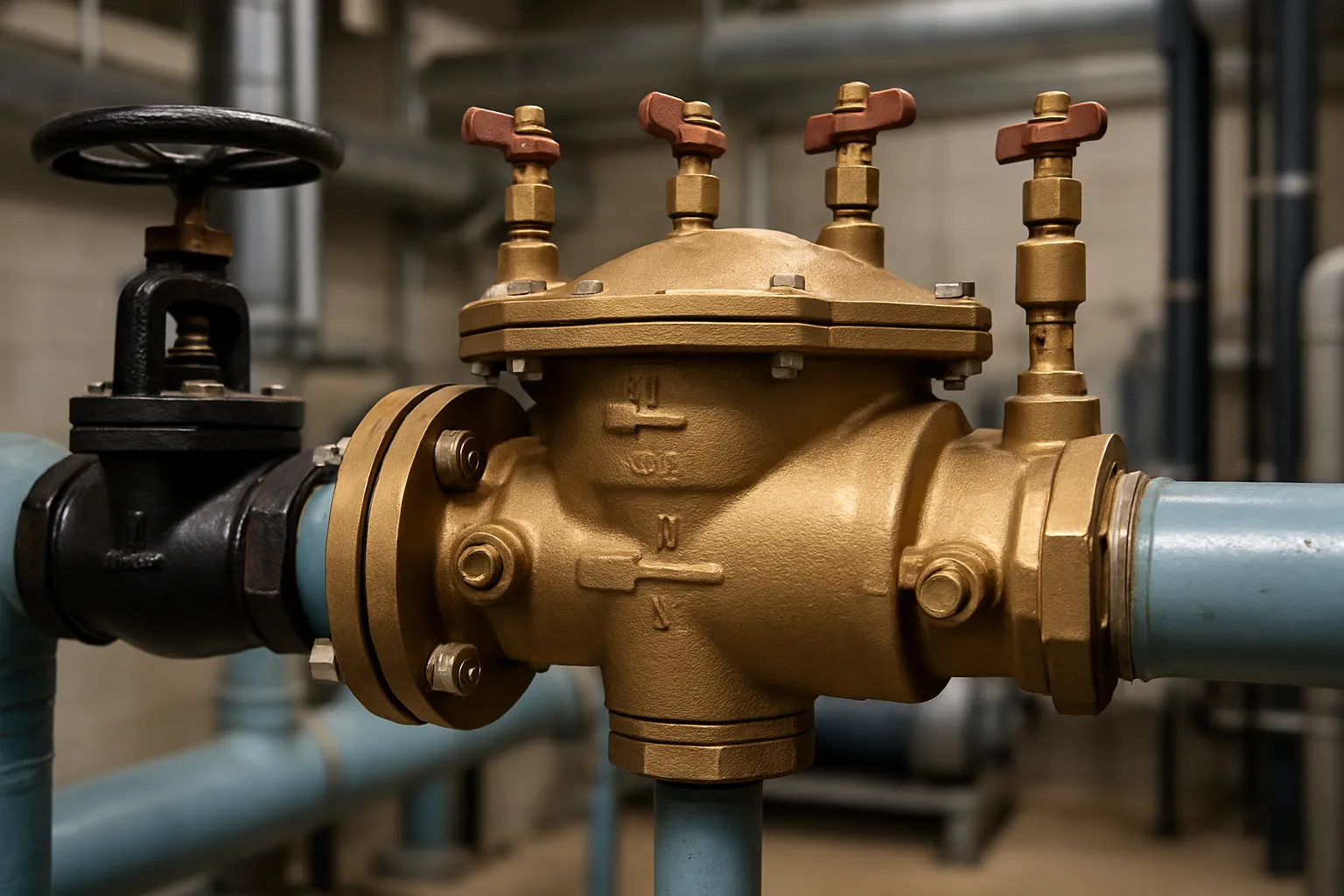
- Reviewing backflow prevention layouts and ensuring assemblies are properly specified and scheduled where codes and AHJs require them.
- Coordinating storm and sanitary systems to meet code-driven slope, sizing, and venting requirements, especially important in multifamily, healthcare, and institutional buildings.
- Aligning designs with manufacturer warranties for commercial water heaters, booster pumps, and other equipment, which often have strict installation requirements.
Owners and facility managers can expect better-quality scope narratives in bids and more clarity on how contractors will meet permitting and inspection milestones. This can reduce surprises when AHJs review plumbing plans or conduct rough-in and final inspections.
Project scale, building types, and where AI takeoff adds the most value
AI-native takeoff is particularly impactful on projects where the plumbing drawings are complex and the quantity of systems is high. Examples include:
- Large office and mixed-use buildings with multiple cores, tenant improvement areas, and complex domestic water and sanitary systems.
- Healthcare facilities, where plumbing supports critical systems, medical gas coordination, and stringent code compliance, increasing estimating complexity.
- Multifamily and institutional buildings with repeated stacks and extensive riser systems, where AI is well suited to repetitive patterns.
- Industrial and warehouse properties that incorporate process piping, grease interceptors, and specialized drainage alongside standard domestic systems.
On these projects, owners often receive bids from several plumbing contractors. AI-driven takeoff can help each bidder structure quantities similarly, making it easier for general contractors and owners to compare scope apples-to-apples. This supports capital planning and risk management across portfolios.
Practical action items for owners and facility managers
Bobyard’s launch is a contractor-facing product release, but it provides practical opportunities for property and facility leaders to refine their procurement and project management practices. Consider the following actions:
- Ask bidders if they use AI-based takeoff tools such as Bobyard Plumbing Takeoff, and how that affects their review process for code compliance and risk.
- Request organized quantity breakdowns by system, floor, and scope, which AI tools are designed to produce. This improves your ability to assess alternates and value-engineering options.
- Include compliance-specific questions in RFPs: how the bidder will ensure IPC/UPC alignment, ASSE-compliant backflow protection, EPA cross-connection control, and timely AHJ inspections.
- Clarify operational constraints and phasing requirements (tenant occupancy, night work, shutdown windows) so estimators can factor labor and risk accurately, rather than relying on generic assumptions.
- Coordinate with your facility team on long-term maintenance needs around booster pumps, sump and lift stations, and commercial water heaters, and ask bidders to reflect these in system selections and warranties.
By making AI-enabled estimating part of the conversation, owners and facility managers signal that they value both speed and quality in preconstruction. This can improve vendor selection and project outcomes.
Looking ahead: AI in commercial plumbing preconstruction
Bobyard Plumbing Takeoff is one of the early examples of AI-native tools purpose-built for commercial plumbing rather than generic construction. As these platforms mature, the estimating workflow is likely to shift further from manual measurement toward strategic review and collaboration. For building owners and facility managers, the key is to focus on outcomes: fewer change orders attributed to quantification errors, clearer breakdowns of plumbing scope, and better coordination between plumbers, mechanical contractors, and general contractors.
AI does not change your fundamental obligations under plumbing codes, AHJ permitting, backflow standards, or manufacturer warranty conditions. What it can change is the efficiency and transparency of the estimating process that underpins every new build, retrofit, and major plumbing upgrade across your portfolio.
Frequently Asked Questions
What is the ROI of AI plumbing takeoff for owners and facility managers?
The ROI for owners is indirect but meaningful: more accurate quantities and structured estimates reduce the likelihood of scope gaps, change orders tied to missed materials, and schedule disruption. Over multiple projects, faster bid cycles and clearer data can improve capital planning and vendor performance without adding headcount on the owner side.
Does using AI estimating help with IPC/UPC and AHJ compliance on commercial plumbing projects?
AI estimating itself does not guarantee compliance, but it frees estimators from manual counting so they can focus on verifying fixture counts, riser layouts, backflow protection, and system sizing against IPC/UPC requirements and local AHJ expectations. Better upstream review typically translates into fewer plan-review comments and smoother inspections.
How should property managers adjust RFPs in light of tools like Bobyard Plumbing Takeoff?
Property managers can ask bidders to describe their takeoff methods, request quantity breakdowns by system and floor, and require explicit narratives on code compliance, backflow standards, and warranty alignment. This leverages AI-generated detail while pushing contractors to demonstrate how technology supports quality and risk management, not just speed.
Are there risks in relying on AI for plumbing takeoff and estimating?
The main risk is over-reliance on automation without human review. Owners should expect contractors to validate AI outputs, cross-check quantities, and apply professional judgment on constructability, logistics, and code issues. AI is best used as a productivity tool; quality still depends on experienced estimators and robust internal controls.
How does AI takeoff affect coordination with general contractors and other trades?
AI-produced, well-structured quantity data supports better coordination with general contractors and mechanical, electrical, and fire protection trades. With clearer system breakdowns and riser information, teams can align scopes, detect clashes earlier, and adjust phasing around tenant needs. This reduces downstream rework and improves schedule reliability.
Related Reading on My Plumbing Tech
- Switchgear in Commercial Buildings: Essential Guide for Plumbing-Adjacent Systems
- Illinois plumbing licensing changes 2026: what facility managers need to know
Find a Qualified Commercial Plumbing Contractor
Need help acting on this? Browse commercial plumbers in your area, or explore commercial plumbing services like preventative maintenance, inspections, and emergency response. Are you a contractor? List your business on My Plumbing Tech to reach property and facility managers actively searching for help.
Sources
Originally sourced from Business Insider (via GlobeNewswire)