 My Plumbing Tech
Commercial Plumbing News: What Facility Managers Need to Know When Recent Stories Are Limited
Quick Answers for Property & Facility Managers
What should facility managers do if there are no clearly dated commercial plumbing news stories this week?
Use the gap as a planning signal: verify preventive maintenance, inspect backflow records, review permit and inspection status, and confirm vendor coverage for critical systems. For commercial buildings, the priority is not headlines; it is keeping water supply, drainage, and life-safety plumbing systems compliant, serviceable, and documented.
What commercial plumbing issues create the biggest risk for property managers?
The highest-risk items are backflow compliance, sewer and drain blockages, leaks in concealed piping, water heater failures, lift station issues, and grease interceptor neglect. These problems can trigger tenant disruption, water damage, code violations, warranty disputes, and costly emergency work if they are not tracked proactively.
How should commercial real estate teams evaluate a plumbing contractor?
Choose a contractor with commercial experience, proper licensing and insurance, and familiarity with the building type, local AHJ requirements, and relevant codes such as IPC or UPC. For specialized work, ask for documentation on testing, permits, manufacturer requirements, and post-service closeout so records are ready for audits and leasing due diligence.
What the lack of fresh commercial plumbing news means for facility teams
When a week does not produce clear, dated commercial plumbing headlines, that does not reduce the operational importance of plumbing systems. For facility managers, property managers, and commercial real estate professionals, the practical takeaway is that plumbing risk is usually managed through maintenance, compliance, and documentation rather than reactive news monitoring.
In commercial buildings, the most expensive plumbing events are often the ones that start quietly: a slow leak behind a wall, a backflow assembly that was not tested on schedule, or a drain line that has been partially restricted for months. The absence of a major news story is a reminder to focus on the systems that affect occupancy, tenant satisfaction, and budget predictability.
Prioritize the systems that most affect uptime and liability
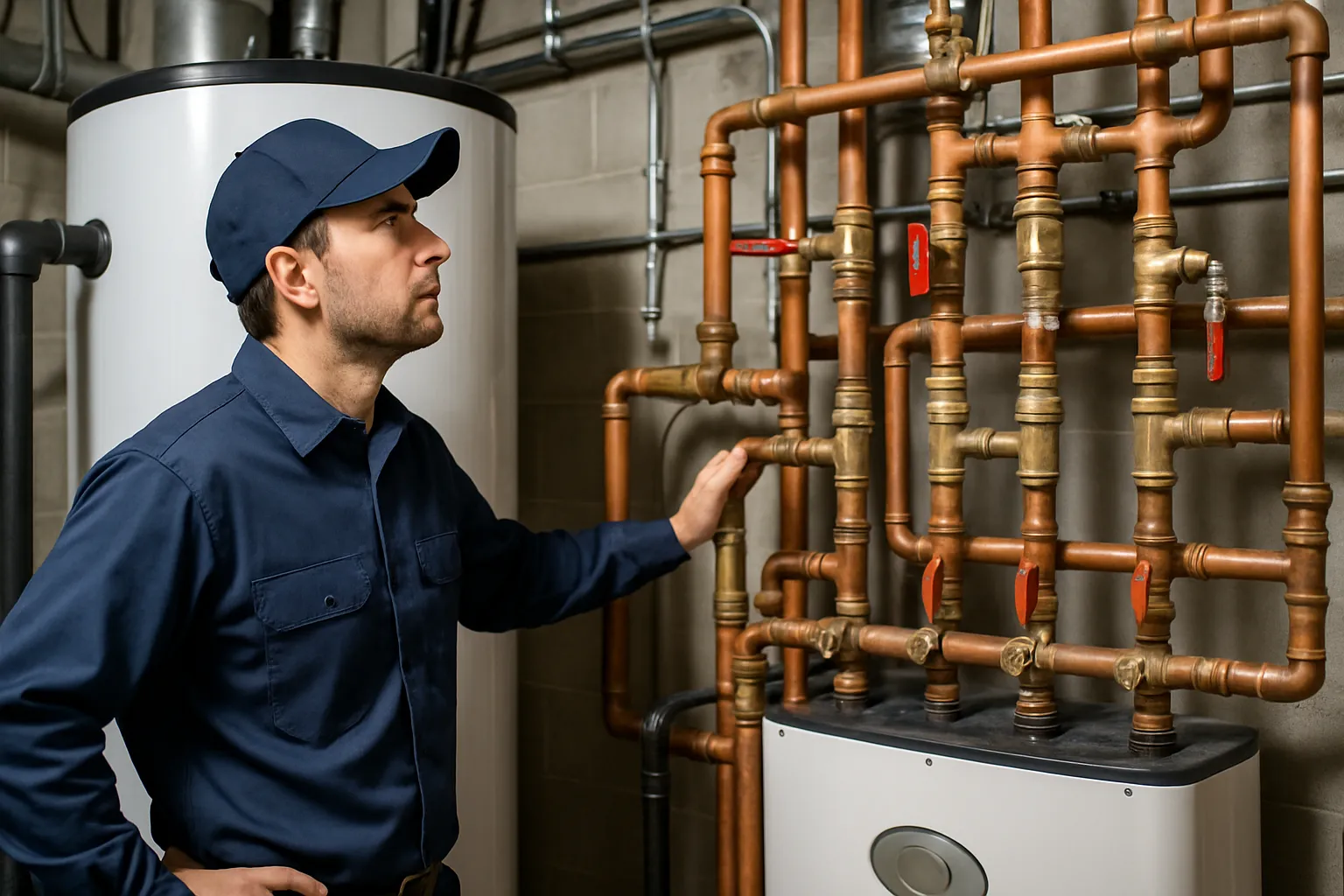
Commercial plumbing planning should center on the building systems that create the greatest operational and compliance exposure. That includes water supply and distribution, sanitary and storm drainage, grease interceptors, backflow prevention, commercial water heaters, booster pumps, sump and lift stations, and any specialty systems tied to the building use.
For office, retail, industrial, warehouse, healthcare, and multifamily assets, the risk profile is different, but the management principle is the same: track the equipment that can interrupt service or create code issues. A failed water heater in a restaurant, a blocked sewer line in a multifamily stack, or a lift station alarm in an industrial facility can escalate quickly into tenant complaints and emergency costs.
- Water supply: monitor pressure, leaks, and shutdown valve accessibility.
- Drain and sewer: schedule cleaning before recurring blockages become failures.
- Backflow prevention: keep testing, certification, and filing current.
- Grease interceptors: maintain service logs and pumping intervals.
- Lift and sump stations: confirm alarms, pumps, and standby power are functional.
Use code and compliance as the organizing framework
Commercial plumbing decisions should be aligned with the applicable plumbing code, local amendments, and the authority having jurisdiction. In many jurisdictions, that means the IPC (International Plumbing Code) or UPC (Uniform Plumbing Code), plus local permit and inspection requirements. For cross-connection protection, building teams should also account for EPA cross-connection control expectations and ASSE backflow standards where those are adopted or referenced by the jurisdiction.
This matters because a technically “working” system can still be noncompliant. A backflow assembly may need annual testing by a certified tester, and records may need to be retained for the water authority or site files. Similarly, plumbing alterations, repiping, fixture replacements, and equipment tie-ins may require permits, inspections, and sign-off before closeout.
Facility leaders should treat code compliance as an operating discipline, not an end-of-project task. That approach reduces the risk of failed inspections, rework, lease disputes, and insurance complications after a water-related incident.
Translate maintenance into measurable asset protection
Commercial plumbing maintenance works best when it is documented and repeatable. Manufacturer warranties often require specific service intervals, approved parts, and installation conditions. If maintenance records are missing, a warranty claim may be harder to support after a failure.
For many buildings, the highest-value action is a preventive maintenance calendar that ties together inspection dates, service logs, test certificates, and replacement cycles. That is especially important for commercial water heaters, booster pumps, sewer ejectors, and any system with moving parts or sensors.
- Document every inspection, repair, test, and shutdown.
- Match service intervals to equipment type and manufacturer requirements.
- Track recurring issues by location so patterns are visible across the portfolio.
- Verify that emergency shutoff valves, alarms, and access points are easy to reach.
Different building types require different plumbing priorities
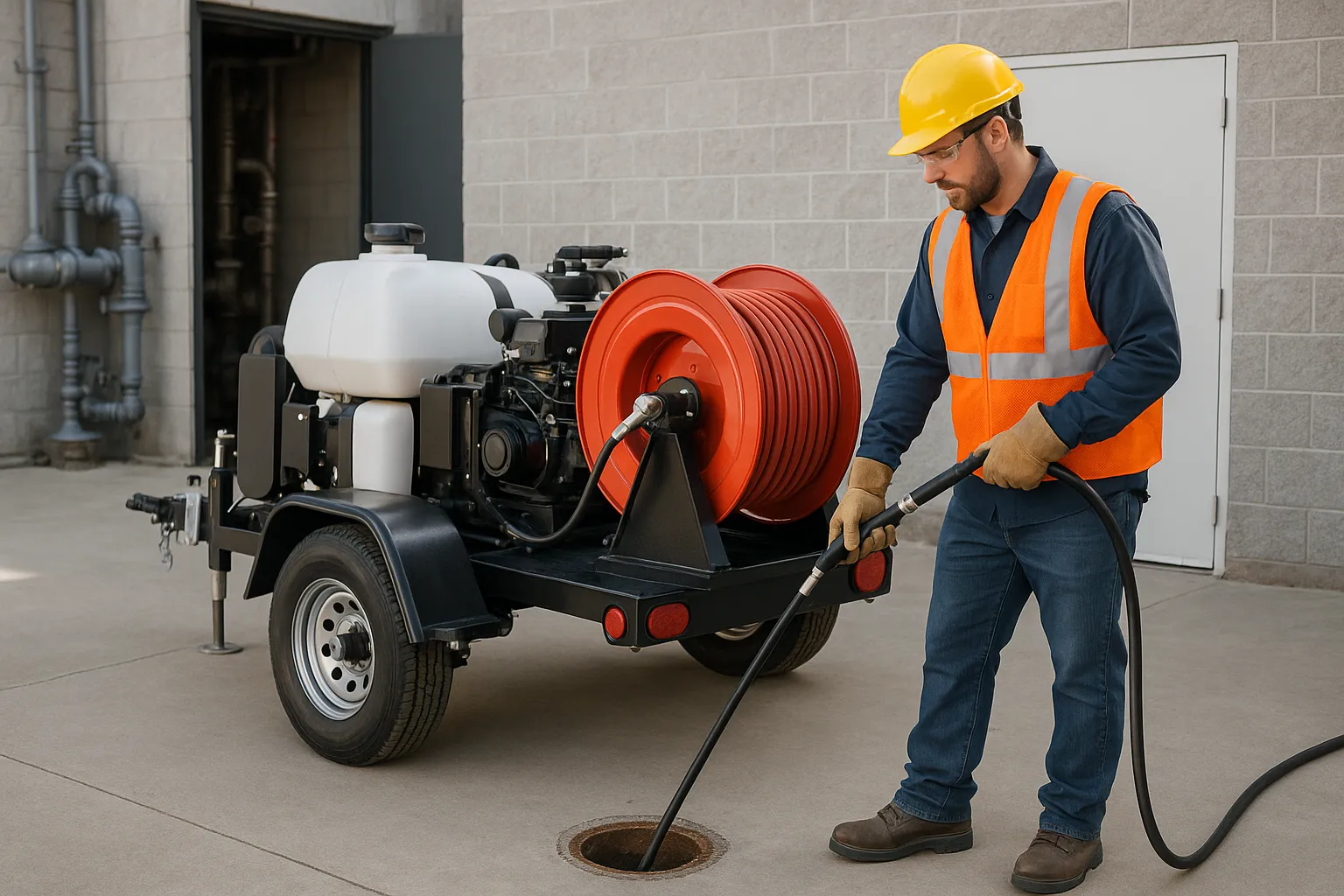
A portfolio-wide plumbing strategy should be adjusted to the building type. In healthcare and institutional properties, redundancy and compliance documentation are often critical because service interruptions can affect patient care or public operations. In multifamily properties, drainage performance, domestic hot water reliability, and leak detection can directly influence resident retention. In retail and food service, grease management and sewer capacity tend to be higher priorities. In industrial and warehouse facilities, freeze protection, hose bib controls, and process-related water systems may be more important.
That means the same service call can have very different implications depending on the asset. A clogged restroom line in a warehouse may be inconvenient; in a multi-tenant retail center, it can create a tenant relations issue; in a healthcare environment, it can become a compliance and continuity concern. Commercial real estate teams should reflect those differences in work order triage and capital planning.
What to ask before approving commercial plumbing work
Before approving a repair, retrofit, or replacement, property and facility teams should ask questions that reduce scope creep and closeout risk. The goal is to confirm that the work is permitted, code-aligned, and supportable after the contractor leaves the site.
- What code and local AHJ requirements apply to this scope?
- Will permits and inspections be required?
- Does the contractor have commercial experience with this building type?
- What documentation will be provided at closeout?
- How will the work affect warranties, shutdowns, and tenant access?
These questions are especially important for multi-site owners and managers, where inconsistent scopes can make it difficult to compare vendors, control costs, or maintain a uniform standard across the portfolio. A strong commercial plumbing partner should be able to explain materials, sequencing, safety controls, and turnover documentation in terms that make sense to non-technical stakeholders.
Build a proactive action plan instead of waiting for the next headline
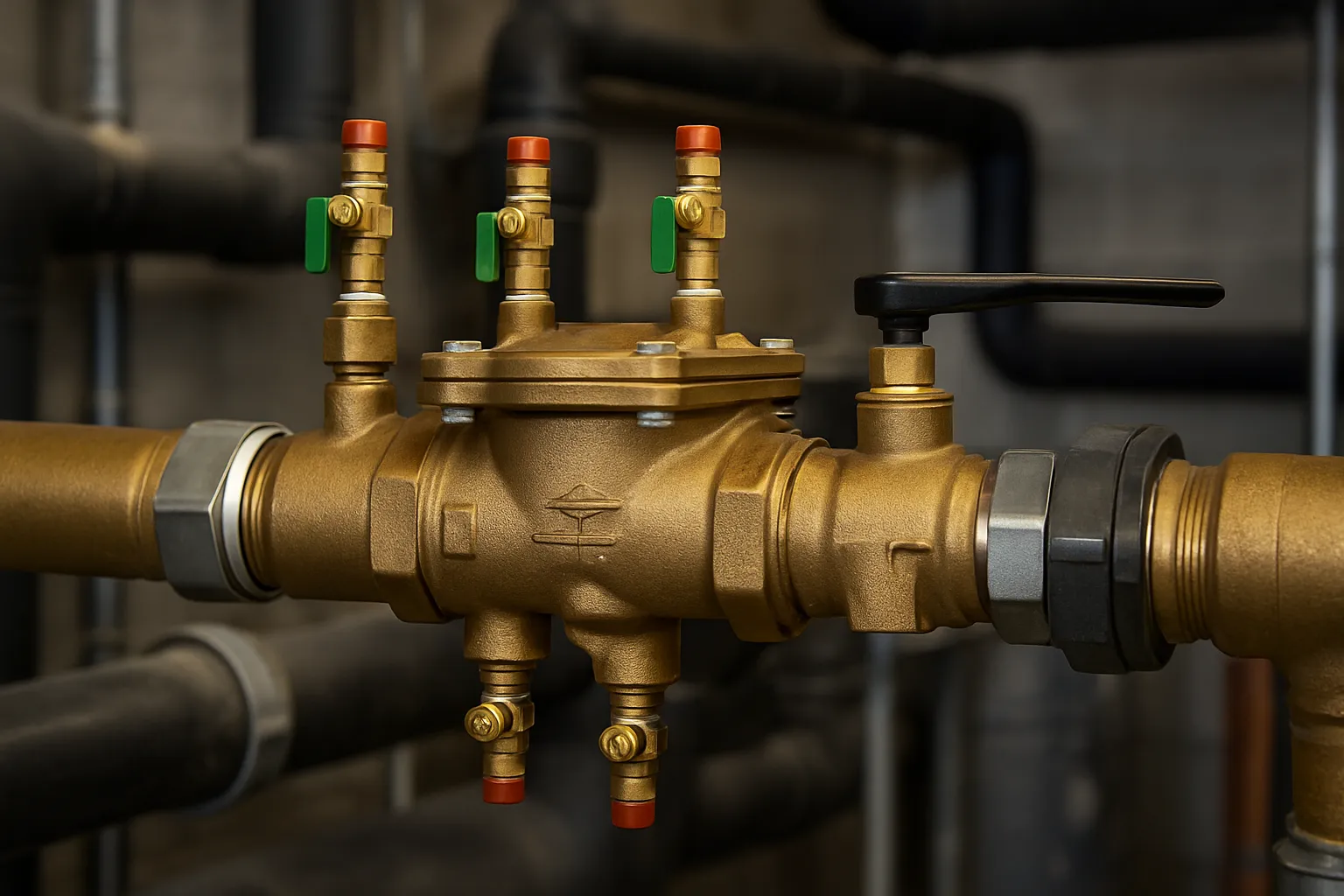
For commercial property teams, the best response to a quiet news cycle is a sharper operating plan. Start with a review of critical plumbing assets, compliance dates, and recent service history. Then verify that records for backflow testing, drain cleaning, water heater service, grease interceptor maintenance, and pump inspections are complete and easy to retrieve.
From there, align the portfolio with the realities of local code enforcement, OSHA-related site safety, and tenant service expectations. A practical plan should include emergency contacts, shutdown procedures, vendor escalation paths, and a clear process for permits and inspections. That is the level of readiness that protects uptime and supports long-term asset value.
In commercial real estate, plumbing is not just a mechanical trade issue. It is an operations, compliance, and risk management function that affects tenant retention, budget stability, and building reputation.
Frequently Asked Questions
How often should commercial backflow devices be tested?
Testing frequency depends on local code and the authority having jurisdiction, but annual testing by a qualified or certified tester is common in many jurisdictions. Facility teams should keep certificates on file, track due dates centrally, and verify whether the water purveyor requires its own submission process. Missing a test can create compliance problems even if the device appears to be functioning.
What is the best way to reduce emergency commercial plumbing costs?
The most reliable cost-control strategy is preventive maintenance with documentation. That includes scheduled drain cleaning, leak checks, backflow testing, water heater service, pump inspections, and fast correction of minor defects before they become failures. For portfolios, standardizing scopes and recordkeeping also makes vendor comparisons easier and reduces repeat work.
Do plumbing upgrades require permits in commercial buildings?
Often yes, especially for repiping, fixture changes, backflow installations, water heater replacements, and major drain or sewer work. Requirements depend on the local AHJ and adopted code, such as the IPC or UPC. Property managers should confirm permit responsibility before work starts and require closeout documents after inspection.
Why do manufacturer warranties matter in commercial plumbing maintenance?
Warranties can be lost or limited if equipment is installed incorrectly, serviced with nonapproved parts, or not maintained on the required schedule. That is particularly relevant for commercial water heaters, pumps, valves, and control components. Keeping service records and using qualified commercial contractors helps protect both the asset and the warranty position.
What plumbing issues are most important in multi-tenant commercial properties?
The biggest concerns are leak detection, shared drain and sewer capacity, backflow compliance, water heater reliability, and access to shutoff valves. In multi-tenant buildings, one failure can affect several occupants and create billing or responsibility disputes. A clear maintenance log and emergency response plan help reduce confusion during a shutdown or repair.
Related Reading on My Plumbing Tech
- Pipe Relining for Commercial Buildings: Cost-Efficient, Trenchless Pipe Rehabilitation Guide
- IAPMO Webinar: What Facility Managers Need to Know About Upcoming Plumbing Code Education
Find a Qualified Commercial Plumbing Contractor
Need help acting on this? Browse commercial plumbers in your area, or explore commercial plumbing services like preventative maintenance, inspections, and emergency response. Are you a contractor? List your business on My Plumbing Tech to reach property and facility managers actively searching for help.