 My Plumbing Tech
IAPMO Webinar: What Facility Managers Need to Know About Upcoming Plumbing Code Education
Quick Answers for Property & Facility Managers
Why should facility and property managers care about IAPMO’s new August 19, 2026 plumbing webinar?
IAPMO’s August 19, 2026 webinar is a low-cost way for facility and property managers to stay aligned with evolving plumbing codes, standards, and best practices. Current knowledge helps reduce compliance risk, avoid inspection failures, and plan smarter capital projects across restrooms, mechanical rooms, and water, sewer, and gas systems.
How can a commercial real estate team prepare to get real value from the upcoming IAPMO plumbing webinar?
Start by identifying your highest‑risk plumbing assets and code concerns, then register the right team members (facility manager, construction/project manager, and capital planning lead). Prepare specific questions on IPC/UPC compliance, backflow, and water heating, and plan a short post‑webinar meeting to translate takeaways into action items.
IAPMO’s August 19, 2026 Webinar: Why It Matters to Facility and Property Managers
The International Association of Plumbing and Mechanical Officials (IAPMO) has announced a new plumbing-focused webinar scheduled for August 19, 2026. While the announcement excerpt does not list the specific topic, IAPMO programming reliably centers on plumbing codes, standards, and professional compliance that govern commercial and institutional buildings. For facility managers, property managers, and commercial real estate professionals, these sessions are directly tied to operational risk, capital planning, and inspection outcomes.
IAPMO plays a central role in the development and maintenance of the Uniform Plumbing Code (UPC) and related standards that many Authorities Having Jurisdiction (AHJs) adopt or reference. Even if your jurisdiction follows the International Plumbing Code (IPC), IAPMO’s education typically addresses universal issues such as cross-connection control, backflow prevention, water efficiency, and safety-critical plumbing assemblies. Treat this webinar as a targeted opportunity to validate your current practices and identify gaps before they surface during inspections or incidents.
Because commercial plumbing systems span domestic water distribution, sanitary and storm drainage, commercial water heaters, backflow assemblies, grease interceptors, and gas piping, staying educated isn’t just “nice to have.” It directly affects legal compliance, tenant satisfaction, life safety, and long-term asset value.
Connecting IAPMO Education to IPC, UPC, and Local AHJ Requirements
Most commercial portfolios sit at the intersection of national model codes and local amendments. Many jurisdictions enforce the IPC, others the UPC, and some use a hybrid approach with locally adopted changes. IAPMO’s UPC is widely referenced for design, installation, and inspection of plumbing systems across offices, retail, industrial, healthcare, and multifamily buildings. Even where IPC is primary, UPC content and IAPMO guidance often influence AHJ expectations and industry best practice.
For facility and property managers, this webinar is an efficient way to:
- Clarify how current code cycles affect existing buildings — for example, what parts of new UPC/IPC editions are typically triggered when you renovate restrooms, rework tenant spaces, or upsize water heating for higher occupancy.
- Understand how local AHJs interpret key provisions — inspectors often rely on IAPMO resources, technical manuals, and standards when making judgement calls on retrofits, repairs, or alternative methods.
- Align O&M practices with code intent — codes are written for design and installation, but maintenance routines (flushing programs, valve exercises, backflow testing) determine whether systems continue to perform as intended.
- Support permit strategy and project phasing — understanding where code is strictest (e.g., backflow, scald protection, grease management) can help you phase work to minimize downtime and inspection risk.
Given that Plumbing & Mechanical and similar industry outlets consistently highlight code and standards as primary risk areas for commercial plumbing, IAPMO’s training should be viewed as part of your broader compliance framework, alongside IPC/UPC texts, local building department bulletins, and professional engineering guidance.
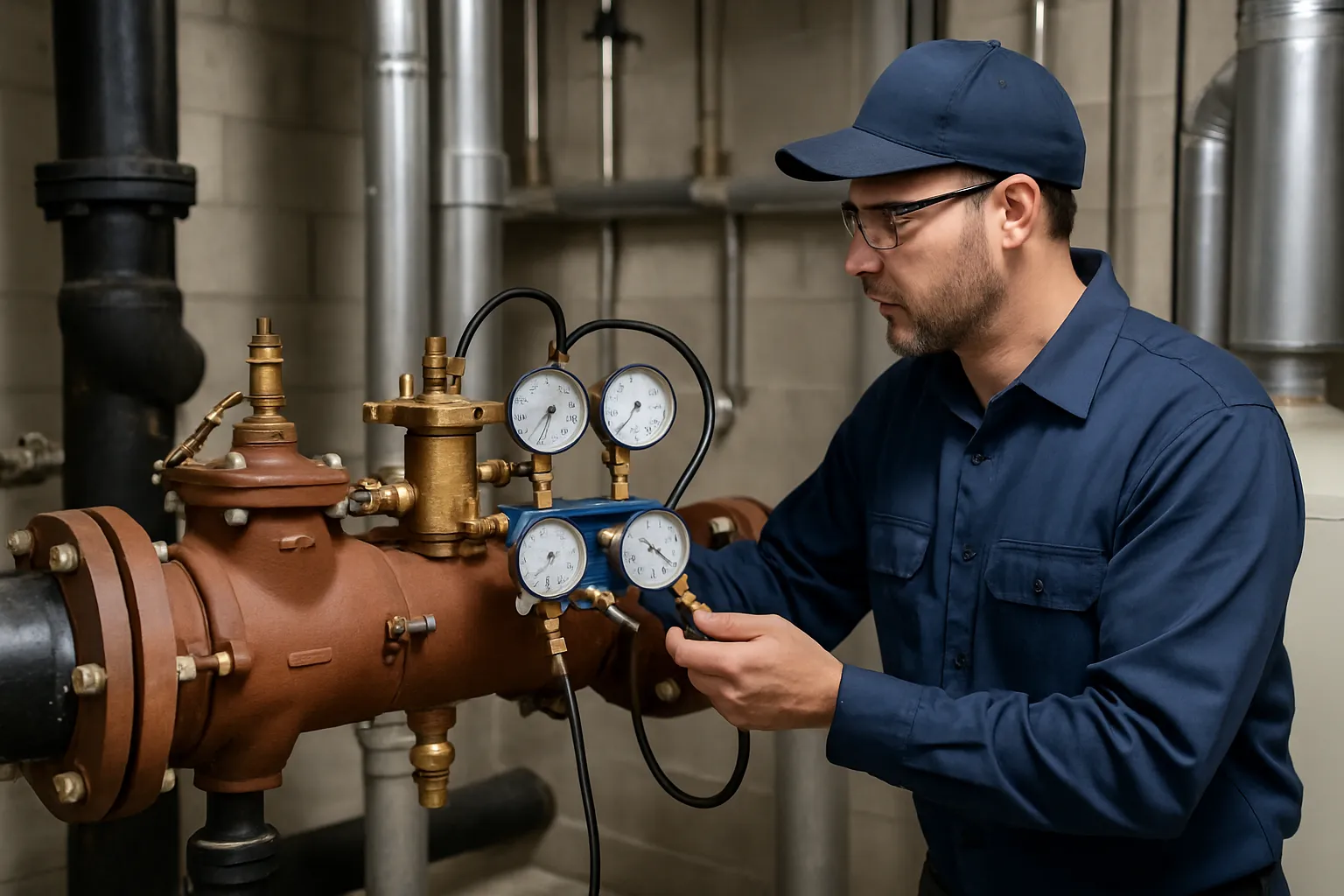
Key Compliance Themes Likely Covered: Backflow, Cross-Connection, and Water Safety
While the announcement excerpt does not specify the webinar topic, IAPMO education often emphasizes system safety and public health—areas where facility managers carry substantial liability. Topics frequently intersect with:
- Backflow prevention and cross-connection control — referencing ASSE standards, EPA cross-connection control guidance, and local requirements for annual testing and certification of devices serving domestic water, irrigation, fire protection, and process water.
- Domestic hot water and scald protection — detailing code requirements for water heater sizing, temperature control, and mixing valves, plus balancing comfort, Legionella risk, and energy performance in multifamily, hospitality, and healthcare settings.
- Fixture and water efficiency requirements — aligning with federal and state conservation rules, and helping managers plan restroom upgrades and retrofits that meet both code and ESG or sustainability goals.
- Sanitary and storm drainage performance — ensuring that core systems in high-use environments (stadiums, malls, education, industrial) are sized, vented, and maintained to avoid backups, sewer gas issues, and code violations.
For a facility manager, the practical takeaway is this: IAPMO content tends to map closely to what AHJs, insurers, and risk managers expect. If your backflow testing program is reactive, if you lack clear documentation of device locations, or if water heater setpoints and mixing valves vary across your portfolio, expect this type of webinar to highlight those gaps and provide a framework for remediation.
Operational Impact: What Portfolio and Building Leaders Should Do Now
The value of any webinar depends on how well you prepare and follow up. For commercial real estate teams, the IAPMO August 19, 2026 session is a chance to align operations, projects, and compliance in a structured way.
Consider the following pre‑webinar actions:
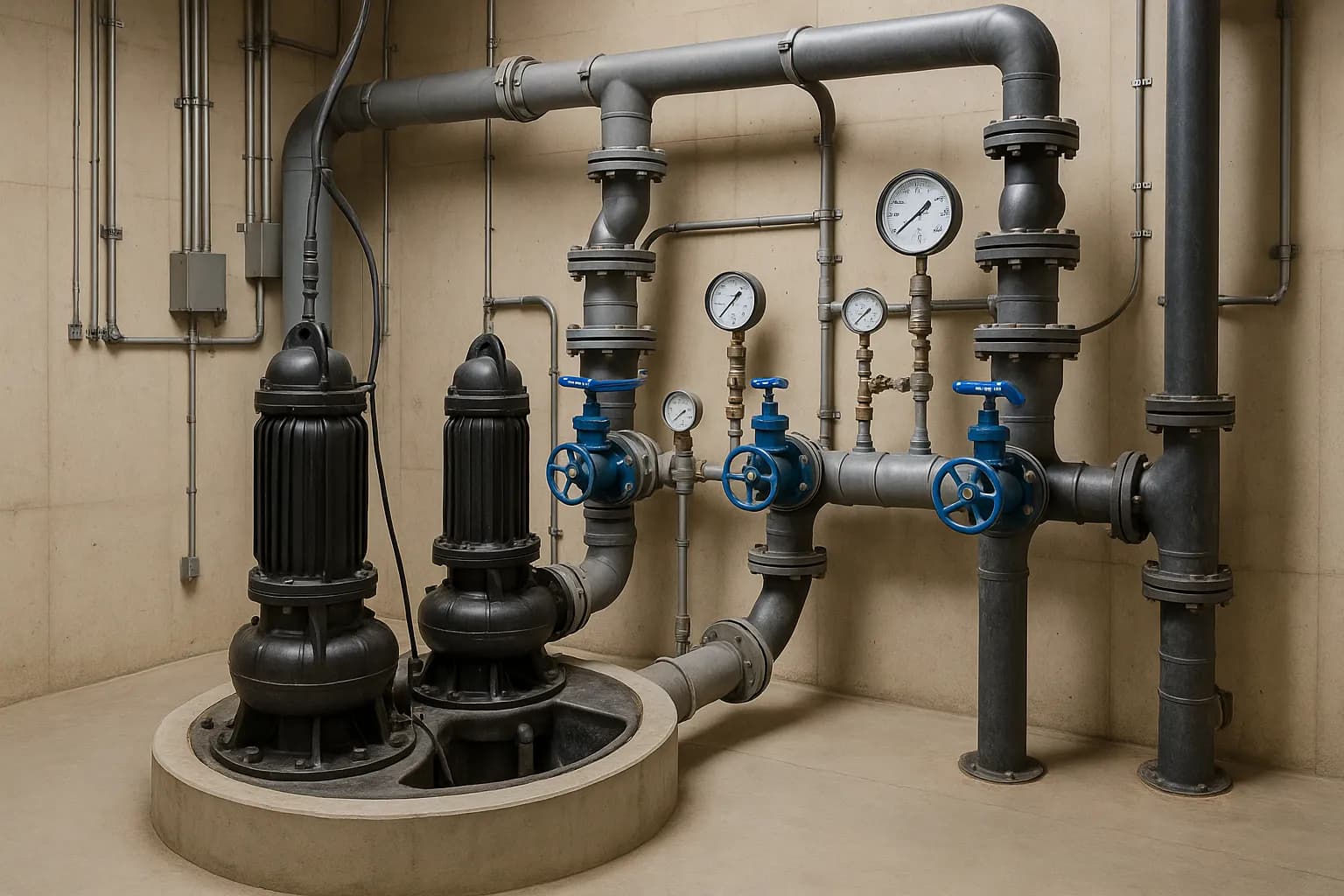
- Map your risk-prone plumbing systems — identify high-impact areas such as domestic water mains and risers, backflow assemblies, commercial water heaters, booster pumps, grease interceptors, and sump/lift stations. Note recent failures, noncompliant conditions, or repeated tenant complaints.
- Gather your documentation — have recent inspection reports, backflow test records, water heater logs, and work orders available. This helps you connect webinar content to real conditions in your buildings.
- Register the right attendees — include facility managers, project managers, construction managers, and anyone who signs off on plumbing scopes in capital plans or tenant improvement work letters.
- List specific questions ahead of time — for example: “How should we handle partial UPC adoptions in a mostly IPC jurisdiction?” or “What is the best practice for verifying contractor compliance with ASSE-certified backflow testers?”
Post‑webinar, plan to:
- Hold a 30–60 minute internal debrief — capture key points, clarify how they relate to your codes and AHJs, and decide what must change in your standards or procedures.
- Update internal plumbing standards — adjust your design criteria, approved product lists, and maintenance SOPs to reflect the latest guidance on fixtures, valve types, backflow devices, or water heater configurations.
- Align service contracts — ensure your commercial plumbing partners are licensed, insured, and current on IOC/UPC and IAPMO standards, and that their proposals explicitly reference applicable codes, testing intervals, and documentation requirements.
- Integrate findings into capital planning — use the new information to prioritize replacements of at-risk systems, such as aging backflow assemblies, undersized water heaters, or noncompliant grease interceptors that may threaten permits and occupancy.
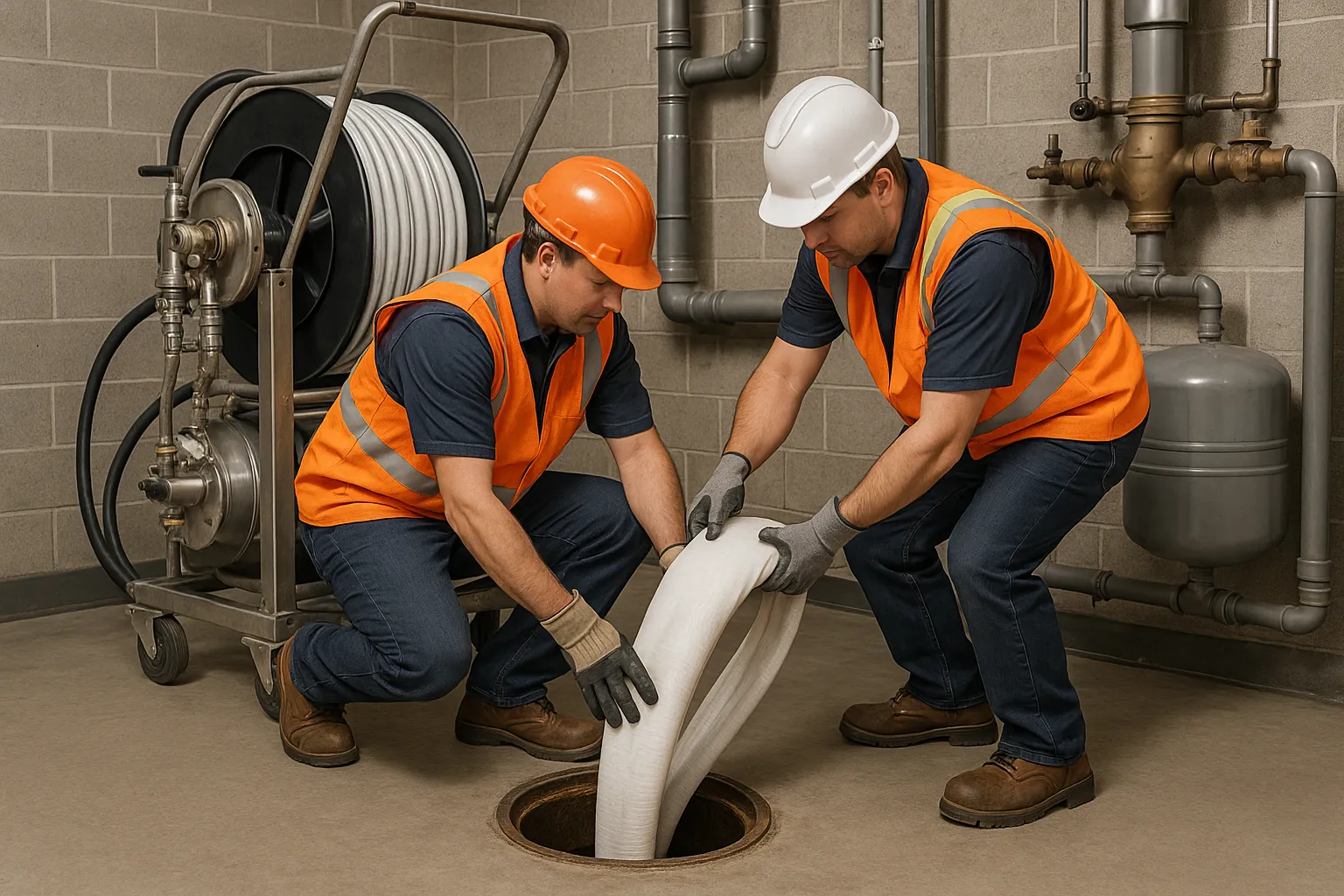
Risk Management, OSHA, and Manufacturer Warranty Considerations
Code education also connects directly to risk, safety, and warranty exposure. Many plumbing assemblies are life-safety or health-safety devices, and their performance influences both OSHA requirements and manufacturer warranties.
From a risk management standpoint, IAPMO-style guidance supports:
- Worker safety and OSHA alignment — proper design and maintenance of eyewash stations, safety showers, and tempered water systems in industrial and lab environments are frequently tied to both plumbing codes and OSHA expectations.
- Warranty protection — commercial water heater and pump manufacturers typically require installations to follow UPC/IPC and the manufacturer’s instructions. Failure to follow code or maintain required water quality and operating conditions can void warranties.
- Documentation practices — to defend against claims or citations, you need clear records of inspections, code-compliant repairs, and testing (especially for backflow, gas piping, and critical valves). IAPMO training often emphasizes the importance of traceable documentation.
- Tenant and occupant health — cross-connection issues, sewage backups, and inconsistent water temperatures can lead to complaints, reputational damage, or worse. Aligning with IAPMO-backed best practices reduces these risks.
Facility and property managers should use the webinar as a prompt to review where OSHA, code, and warranty obligations intersect in their buildings. For example, when you replace a commercial water heater, ensure your contractor is not only pulling permits and complying with UPC/IPC, but also documenting start-up, setting correct setpoints, and training staff as required by both the manufacturer and your internal safety protocols.
Building Types and Project Scenarios Where This Webinar Is Especially Relevant
While all commercial facilities benefit from updated plumbing knowledge, some building types and project scenarios are particularly sensitive to code and standards changes:
- Healthcare and senior living — domestic hot water, Legionella risk management, and redundancy in water supply and drainage are under intense regulatory scrutiny. IAPMO guidance often informs infection-control plumbing strategies.
- Multifamily and mixed-use — high fixture counts, varying occupancy, and complex riser layouts demand careful attention to pipe sizing, venting, and pressure balancing under IPC/UPC.
- Industrial and manufacturing — process water, chemical connections, and specialized fixtures raise cross-connection and backflow risks, making ASSE/EPA-aligned practices essential.
- Hospitality and retail — guest-facing restrooms, kitchens, and laundry areas must meet both plumbing code and brand standards, with tight timelines for remodels and tenant build-outs.
- Education and assembly spaces — stadiums, arenas, and campuses rely on resilient drainage and water systems to handle high peak demands while meeting modern fixture-efficiency requirements.
In each of these contexts, the IAPMO webinar can inform how you scope upcoming projects, from restroom remodels and tenant improvements to central plant upgrades and campus-wide water conservation initiatives. By understanding how code and standards are trending, you can design projects that will pass plan review and inspection on the first attempt, while minimizing costly rework.
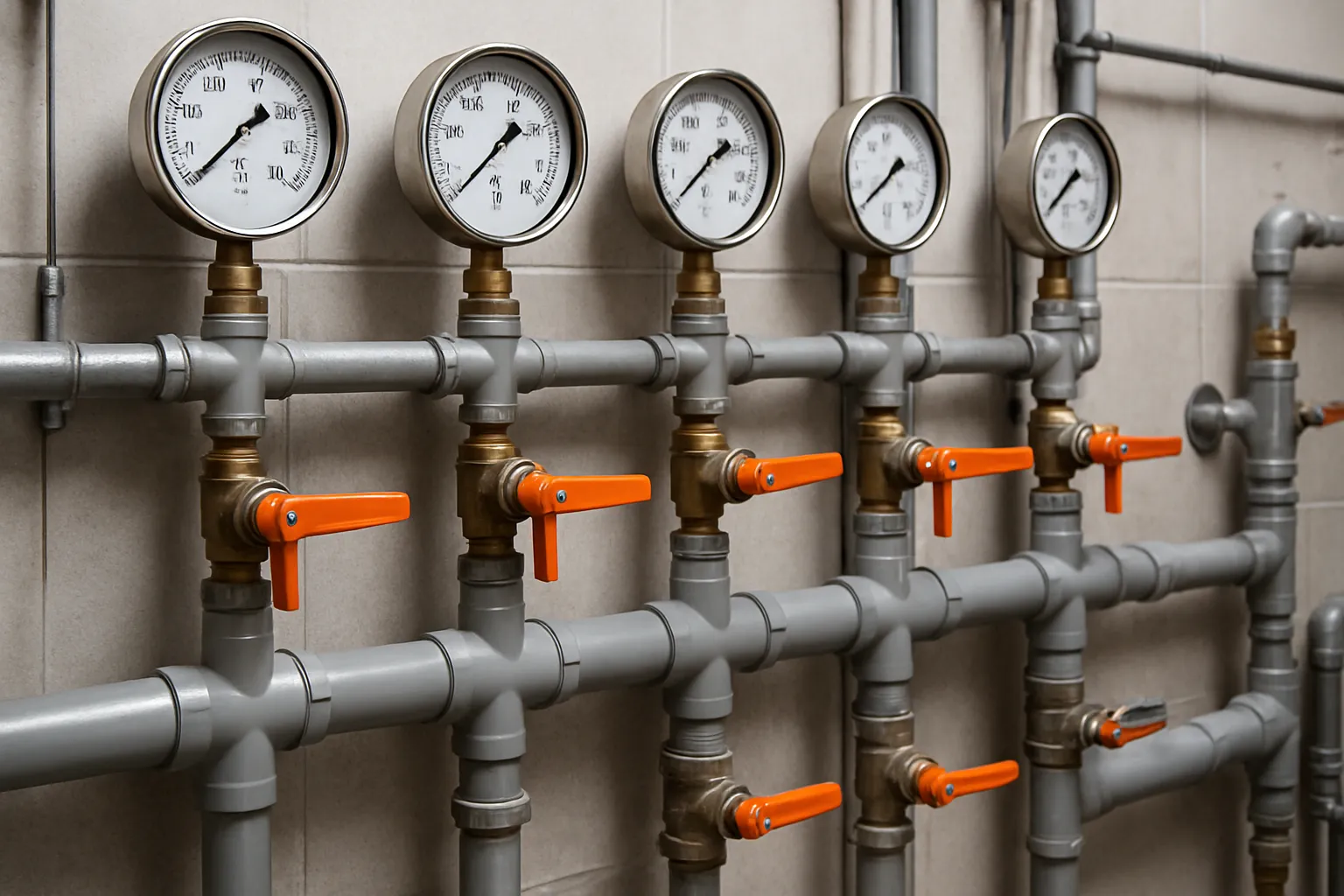
Turning IAPMO Training Into a Competitive Advantage for Your Portfolio
Beyond compliance, plumbing education can be a differentiator in how you operate and market your properties. Investors, tenants, and corporate occupants increasingly scrutinize building reliability, ESG performance, and risk management practices. Demonstrating alignment with IAPMO standards, IPC/UPC requirements, ASSE backflow standards, EPA cross-connection control guidance, and local AHJ expectations can strengthen your story.
To turn the August 19, 2026 IAPMO webinar into a concrete advantage:
- Integrate lessons into your standard operating procedures — codify what “good” looks like for backflow programs, fixture retrofits, water heater maintenance, and drain cleaning (including when to use hydro jetting vs. mechanical cleaning).
- Set clear expectations with vendors — require your commercial plumbing partners to document code references in their scopes, identify existing noncompliant conditions they discover, and provide closeout packages that support future inspections.
- Improve internal training — use IAPMO materials and webinar insights to train building engineers and maintenance techs on what conditions must always be escalated to a licensed plumber (for example, compromised backflow devices, gas odor reports, or failed T&P relief valves).
- Support long-range capital planning — align multi-year budgets with upcoming code-driven priorities, such as replacement of aging water heaters, upsizing supply piping for new uses, or upgrading grease interceptors to meet modern discharge limits.
In short, this IAPMO webinar is more than a one-day event. For facility managers, property managers, and commercial real estate leaders, it is an opportunity to benchmark your plumbing programs against current best practices and ensure your buildings remain safe, compliant, and competitive in a tightening regulatory environment.
Frequently Asked Questions
How does attending IAPMO’s August 19, 2026 plumbing webinar impact compliance risk for a commercial portfolio?
Staying current with IAPMO training helps facility teams better interpret UPC/IPC requirements, backflow and cross-connection standards, and AHJ expectations. This reduces the likelihood of failed inspections, unplanned shutdowns, and liability events tied to plumbing systems, and supports stronger documentation when insurers, regulators, or tenants ask for proof of due diligence.
Is there a clear ROI for facility managers who invest time in plumbing code and standards education?
Yes. Code-focused education helps avoid costly rework on projects, identify noncompliant systems before they fail inspections, and prioritize capital replacement of high-risk assets. The time spent in a targeted webinar is typically offset by savings from smoother permits, fewer emergency repairs, and better-aligned long-term plumbing investments.
If our jurisdiction follows the IPC, is an IAPMO/UPC-oriented webinar still useful?
In most cases, yes. IAPMO content addresses broadly applicable principles—such as backflow prevention, water heater safety, and fixture performance—that apply under both IPC and UPC. AHJs often reference similar standards and best practices, so the guidance can still inform project design, maintenance programs, and inspection preparation in IPC jurisdictions.
What internal stakeholders should attend or receive a debrief from the IAPMO plumbing webinar?
At minimum, include the facility manager or chief engineer for key sites and a representative from capital planning or construction. In multi-site portfolios, a regional facilities leader should attend and then cascade takeaways to local teams, updating internal design standards, maintenance SOPs, and vendor expectations based on the webinar content.
How can property managers ensure their plumbing vendors align with IAPMO and code guidance after the webinar?
Use the webinar as a trigger to review contracts and scopes of work. Require vendors to be licensed and insured, reference applicable IPC/UPC and IAPMO standards, follow ASSE and EPA guidance for backflow and cross-connection, and provide clear inspection and testing reports. Incorporate these requirements into RFPs and performance reviews.
Related Reading on My Plumbing Tech
- Bobyard Plumbing Takeoff: AI Estimating for Commercial Plumbing
- Illinois plumbing licensing changes 2026: what facility managers need to know
Find a Qualified Commercial Plumbing Contractor
Need help acting on this? Browse commercial plumbers in your area, or explore commercial plumbing services like preventative maintenance, inspections, and emergency response. Are you a contractor? List your business on My Plumbing Tech to reach property and facility managers actively searching for help.