 My Plumbing Tech
Illinois plumbing licensing changes 2026: what facility managers need to know
Quick Answers for Property & Facility Managers
How do Illinois’ revised plumbing licensing and exam procedures affect commercial property and facility managers?
Illinois is tightening apprentice registrationjourneyman/master exam logistics ahead of 2026. For commercial buildings, this impacts vendor selection, project staffing, and compliance with state plumbing law and local AHJs, making it critical to verify licensing status and renewal timelines for all plumbers on your properties.
What should building owners change in their plumbing contractor agreements before the 2026 Illinois licensing updates take full effect?
Owners should update contracts to require proof of current Illinois plumber licenses, documented apprentice registration, and confirmation that all journeymen/master plumbers have passed state‑approved exams. Align scopes of work with IPC/UPC, local AHJ permitting, and insurance/bond requirements to reduce compliance and project‑delivery risk.
Will these Illinois plumbing licensing changes disrupt capital projects or tenant improvement schedules?
They can if workforce planning is reactive. Longer lead times for exams, stricter apprentice documentation, and renewal windows mean facility managers should pre‑qualify multiple licensed contractors, verify credentials early, and build licensing checks into preconstruction to avoid delays on major plumbing renovations or repairs.
Illinois plumbing licensing changes: why commercial properties should pay attention
The Illinois Department of Labor has updated its plumbing apprentice registration and journeyman/master plumber examination procedures, with full implementation targeted for 2026. For commercial property managers, facility managers, and building owners, these adjustments are not just administrative; they directly affect how you staff, schedule, and manage plumbing work across office, industrial, healthcare, multifamily, and institutional properties.
Illinois already has strict plumbing licensing requirements designed to protect public health by ensuring that plumbers are adequately trained and qualified.[9] Under Illinois Plumbing License Law, all planning and designing of plumbing systems and all plumbing work must be performed by licensed plumbers.[6] When the state changes how apprentices are registered and how journeymen and masters are examined, it reshapes the talent pipeline and compliance obligations for your facilities.
Overview of Illinois plumber licensing and why the 2026 changes matter
To legally perform plumbing work of any kind in Illinois, a plumber must hold a state license.[1][6] Contractors working without licensure or proper registration can face civil penalties of up to $5,000 per offense.[1] Licenses must be renewed annually, with plumber licenses typically due by April 30.[1][3] These frameworks will remain, but the path to licensure and examination logistics are being refined.
The revised procedures focus on:
- Apprentice registration: tighter requirements for documenting apprenticeship status and hours under licensed supervision.
- Journeyman/master examinations: updated scheduling, check‑in protocols, and documentation needed to sit for and pass licensing exams.
- Implementation timeline: a phased rollout leading to full effect in 2026, giving contractors and building stakeholders time to adjust.
For commercial facilities, this means your plumbing vendors must navigate a more structured regulatory environment. If they fail to register apprentices correctly or miss exam windows, you may experience staffing gaps on active projects, delays on capital work, or increased risk of non‑compliant installations that affect occupancy and insurance.
Impacts on workforce planning for commercial plumbing across your portfolio
Commercial plumbing is labor‑intensive and heavily dependent on licensed personnel for design, installation, maintenance, and emergency response. The updated Illinois procedures will influence how contractors build their crews, and those changes flow directly into your building operations.
Key workforce implications for facility and property managers include:
- Apprentice availability: If apprentice registration is more rigorous, some contractors may have fewer registered apprentices available for large projects, impacting timelines on repiping, sewer line replacements, or major tenant improvements.
- Exam scheduling bottlenecks: Updated exam logistics could momentarily constrain the number of journeymen and master plumbers advancing through licensure, especially if 2026 brings surges in exam demand.
- Crew composition on site: Supervisory ratios (licensed journeymen/masters to apprentices) are governed by state law and local AHJ practices. Stricter registration and exam rules reduce flexibility if labor is tight.
For larger buildings and campuses—hospitals, universities, distribution centers, high‑rise office, or mixed‑use—you should expect longer planning horizons for substantial plumbing work, including:
- Domestic water distribution upgrades or booster pump installations.
- Drain, sewer, and hydro jetting programs that require multiple licensed techs.
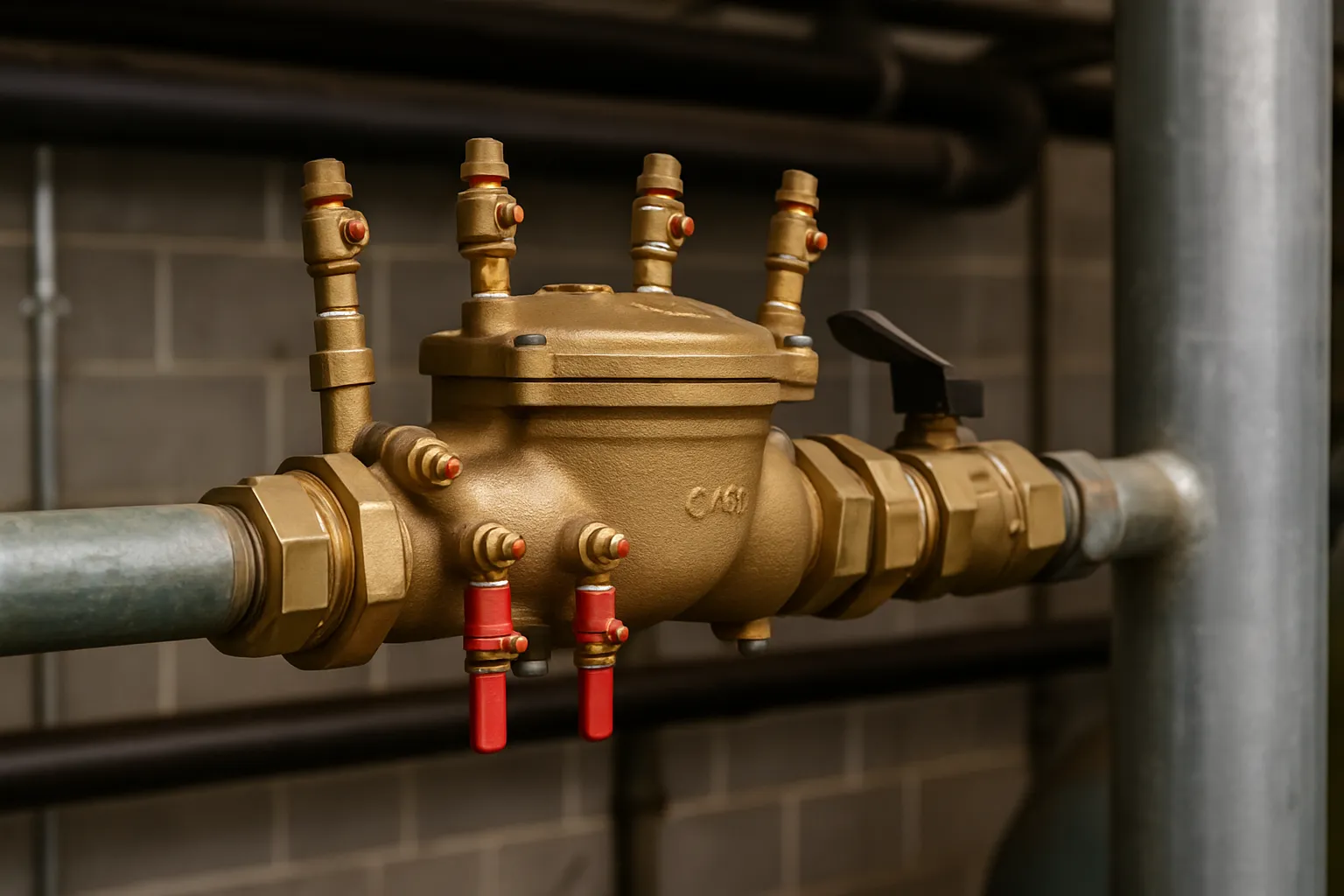
- Backflow prevention device installation and ASSE‑standard testing.
- Grease interceptor replacements in food‑service or retail properties.
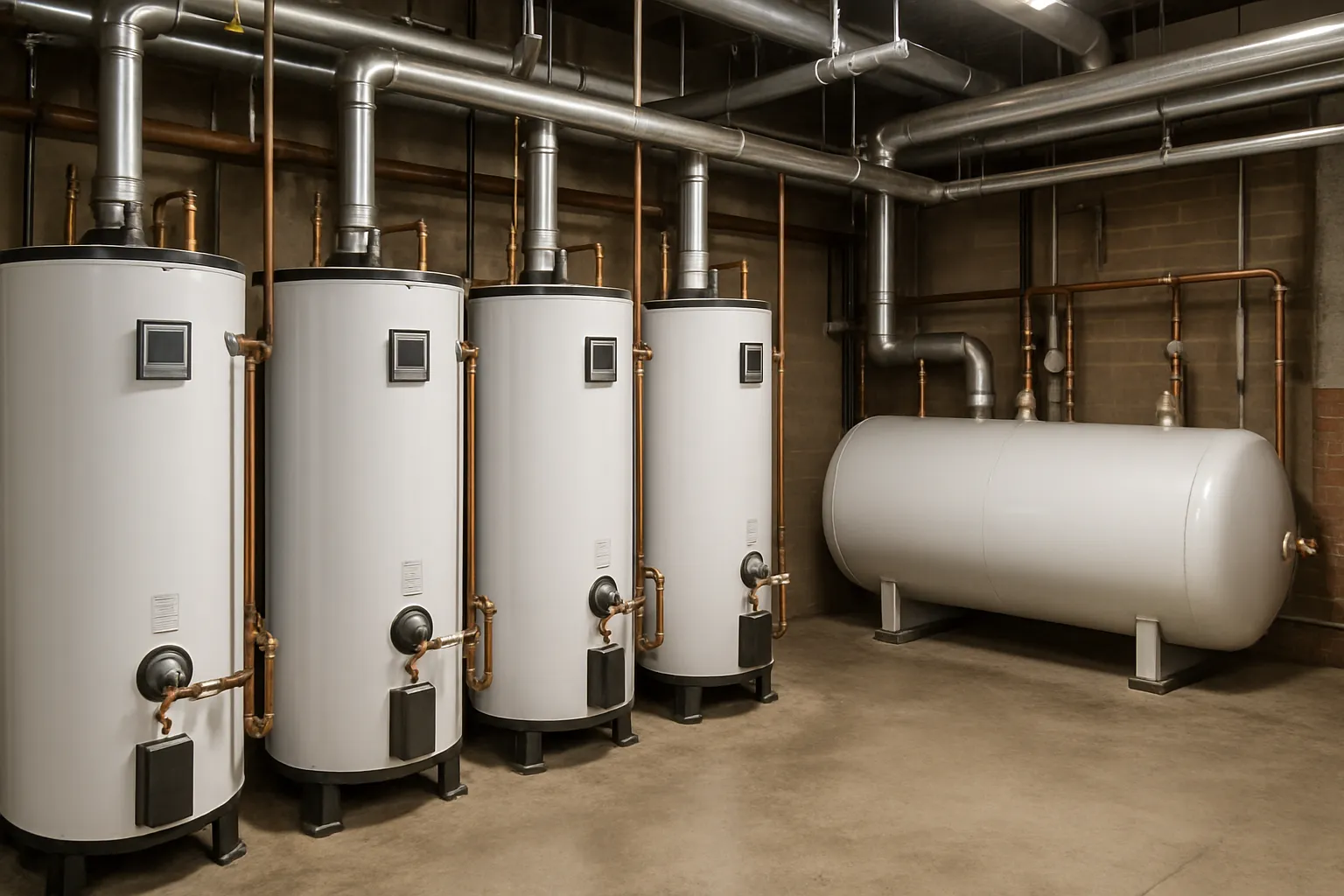
- Capital projects involving gas piping, commercial water heaters, or lift station modifications.
Building owners who treat licensing changes as a strategic risk—not just an HR issue for contractors—will be better positioned to maintain uptime and avoid project overruns.
Compliance, AHJ oversight, and alignment with IPC/UPC and federal standards
Illinois’ licensing regime sits on top of a broader compliance landscape that commercial property managers already navigate, including the International Plumbing Code (IPC), the Uniform Plumbing Code (UPC), EPA cross‑connection control guidance, ASSE standards for backflow assemblies, and OSHA safety rules for work environments.
The revised licensing and examination procedures reinforce several themes:
- Competent design and installation: Licensed plumbers are required for planning and designing plumbing systems.[6] This protects public health and water quality within your buildings.
- Backflow and cross‑connection compliance: Many local AHJs reference ASSE standards and EPA guidance for cross‑connection control. Properly licensed plumbers are essential for accurate hazard assessments, device selection, and ongoing testing.
- Permit and inspection integrity: AHJs may scrutinize permits more closely to ensure that license numbers, apprentice registrations, and supervising journeymen/masters align with the new state procedures.
From a risk perspective, the intersection of licensing changes and code compliance matters because:
- Incorrectly installed backflow assemblies, sump/lift stations, or gas piping can create life‑safety hazards and regulatory exposure.
- Non‑compliant work can void manufacturer warranties on key assets like commercial water heaters or boilers.
- Improper documentation can delay AHJ inspections and occupancy approvals for new construction or major renovation projects.
By requiring stronger documentation and standardized examination processes, Illinois aims to ensure that licensed plumbers have demonstrable knowledge of plumbing codes, cross‑connection control, and safety requirements—all critical for complex commercial systems.
Practical steps for property and facility managers before 2026
To leverage these licensing changes rather than be disrupted by them, building owners and facility managers should take proactive steps over the next cycle of capital planning and O&M budgeting.
1. Tighten vendor prequalification criteria
Update your procurement and vendor management processes to require:
- Proof of current Illinois plumber licenses for all personnel performing work.[1][3]
- Confirmation of proper apprentice registration under the new state procedures.
- Evidence of passed journeyman/master exams and any continuing education records.[1]
- Verifiable compliance with local AHJ permit and inspection requirements for plumbing work.
In RFPs and master service agreements, specify that contractors must stay current with Illinois Department of Labor and Illinois Department of Public Health licensing requirements, including the 2026 changes.
2. Build licensing checks into project governance
For major plumbing projects—such as repiping high‑rise domestic risers, replacing sewer mains, installing new booster pumps, or upgrading grease interceptors—integrate licensing checks into project milestones:
- Pre‑construction: Verify contractor licensing, apprentice documentation, and exam status for all key personnel.
- Execution: Require on‑site license rosters and designate supervising licensed plumbers for apprentice work.
- Closeout: Confirm that as‑built drawings, test reports (e.g., backflow testing), and warranties are signed off by appropriately licensed individuals.
This governance reduces the risk of AHJ challenges, failed inspections, or post‑project disputes over code compliance.
3. Coordinate with risk management and insurance
Illinois Plumbing License Law is closely tied to liability and enforcement.[6][1] Coordinating with your risk and insurance teams can ensure:
- Your insurance carriers recognize the stronger licensing environment as a risk‑mitigation factor.
- Contract requirements for general liability, bodily injury, property damage coverage, and surety bonds are enforced.[1]
- Claims processes account for whether plumbing work was performed by properly licensed individuals under current law.
Documenting that you only hire licensed, compliant contractors can be valuable if you face claims related to water damage, contamination, or life‑safety incidents.
4. Adjust timelines for capital and maintenance programs
Because the 2026 changes may affect exam scheduling and apprentice throughput, facility managers should:
- Start procurement earlier for high‑complexity plumbing projects.
- Pre‑qualify multiple contractors with demonstrated compliance and stable licensed staff.
- Plan contingency windows for AHJ inspections and licensing documentation review.
This is especially important for projects tied to occupancy dates, major tenant turnovers, or regulatory deadlines—for example, backflow retrofits in older buildings or upgrades to sump and lift stations in flood‑prone areas.
Strategic implications for long‑term asset management
Beyond day‑to‑day operations, the 2026 Illinois licensing and examination updates have long‑term implications for how you manage plumbing assets across your portfolio.
Several strategic angles to consider:
- Asset reliability and lifecycle costs: Work performed by fully licensed, properly tested plumbers generally reduces failure rates on complex systems like booster pumps, commercial heaters, and sewer mains, improving lifecycle ROI.
- Regulatory resilience: As codes evolve (IPC/UPC updates, EPA mandates, local ordinances), an up‑to‑date licensed workforce lowers the risk of forced retrofits or fines.
- Tenant experience and reputation: Reliable water, drainage, and sanitary systems are core to tenant satisfaction, especially in healthcare, hospitality, and multifamily. Licensing changes that strengthen competency ultimately support better service quality.
Building owners who respond by elevating their standards for licensed work—and documenting those standards—can differentiate their properties in terms of reliability, risk management, and regulatory compliance.
In practical terms, this means integrating plumbing licensing considerations into your asset management plans, capital forecasting, and ESG or health/safety reporting, emphasizing how compliant plumbing practices safeguard occupants and infrastructure.
Frequently Asked Questions
How will Illinois’ 2026 plumbing licensing changes affect my operating and capital budgets?
Direct cost increases from the licensing changes themselves are likely modest, but the impact shows up in project planning. Expect more emphasis on licensed labor, potential scheduling constraints for large projects, and slightly longer planning windows. The ROI comes from lower compliance risk, fewer failed inspections, and reduced rework on complex systems.
What are the key compliance risks if my contractor ignores the new Illinois apprentice and exam rules?
If contractors use unlicensed or improperly registered apprentices, you risk AHJ penalties, failed inspections, and possible civil fines under Illinois Plumbing License Law. Non‑compliant work can jeopardize occupancy approvals, void equipment warranties, and expose owners to claims from tenants or insurers if systems fail or cause damage.
What should I look for when prequalifying commercial plumbing contractors in Illinois after 2026?
Demand proof of current state plumber licenses, documented apprentice registration, and evidence that journeymen/master plumbers have passed required exams and completed continuing education. Also confirm strong AHJ permit history, knowledge of IPC/UPC and ASSE backflow standards, and adequate insurance and bonding that match your building’s risk profile.
Will these licensing changes impact national portfolios with properties both inside and outside Illinois?
Yes. National owners must treat Illinois as a stricter jurisdiction and align vendor vetting, documentation, and project governance accordingly. Harmonizing internal standards to Illinois’ higher bar can simplify compliance across states, but requires clear policies and centralized tracking of licenses, permits, and inspection outcomes at each property.
Does stricter licensing in Illinois change how I should manage backflow and cross‑connection programs?
Stricter licensing supports more reliable backflow and cross‑connection control work, which is critical for domestic water safety. Owners should ensure that only appropriately licensed plumbers perform hazard assessments, device selection, installation, and testing under ASSE and EPA guidance, and that test reports are acceptable to local AHJs for annual compliance.
Are there advantages to standardizing higher licensing expectations across all my plumbing vendors?
Yes. Setting Illinois‑level licensing expectations across your vendor base raises quality, reduces rework, and lowers regulatory and insurance risk. While some bids may be higher, long‑term ROI typically improves through fewer failures of critical systems, smoother inspections, consistent code compliance, and stronger documentation for risk and audit purposes.
Related Reading on My Plumbing Tech
- Electrical Panel Upgrade Guide for Commercial Plumbing-Heavy Buildings
- Plumbing Industry Growth Signals More Demand for Commercial Plumbing Assets
Find a Qualified Commercial Plumbing Contractor
Need help acting on this? Browse commercial plumbers in your area, or explore commercial plumbing services like preventative maintenance, inspections, and emergency response. Are you a contractor? List your business on My Plumbing Tech to reach property and facility managers actively searching for help.