 My Plumbing Tech
Commercial Plumbing Codes, Workforce and Supply Chain Pressures: What the ASA–PHCC Capitol Hill Fly-In Means for Building Owners
Quick Answers for Property & Facility Managers
What does the ASA and PHCC Capitol Hill fly-in mean for commercial building owners?
It signals that **plumbing codes, workforce availability, and supply chain stability** are active policy issues affecting commercial projects. For building owners, that can influence bid pricing, lead times, inspection timing, and the availability of code-compliant materials for repairs, repipes, backflow devices, water heaters, and drainage upgrades.
Why should facility managers care about plumbing legislation and codes?
Because code and regulatory changes affect **permit approvals, inspection outcomes, system design, and long-term maintenance costs**. Facility teams that track IPC, UPC, local AHJ rules, backflow standards, and manufacturer requirements are better positioned to avoid delays, failed inspections, warranty problems, and emergency downtime.
Why This Capitol Hill Fly-In Matters for Commercial Properties
More than 125 members of the American Supply Association (ASA) and the Plumbing-Heating-Cooling Contractors National Association (PHCC) met with lawmakers in Washington, D.C. to advocate on plumbing and mechanical industry issues. According to ASA, the discussions focused on codes and standards, workforce development, supply chain resilience for plumbing materials, and regulatory pressure on contractors and distributors.[6] For property managers, facility managers, and building owners, that matters because these issues affect project schedules, repair costs, compliance risk, and the availability of qualified trades on short notice.[6]
The practical takeaway is simple: commercial plumbing is not just a maintenance line item. It is tied to permitting, inspection approval, asset protection, tenant continuity, and the ability to keep critical systems operating in offices, retail, healthcare, industrial, institutional, and multifamily properties.
How Plumbing Codes and Standards Affect Building Operations
When industry groups press Congress on codes and standards, they are also signaling the importance of predictable, enforceable rules for plumbing design and installation.[6] For owners and facility teams, that means every major scope of work should be evaluated through the lens of the applicable code set, local amendments, and the authority having jurisdiction (AHJ). In many markets, that includes the International Plumbing Code (IPC) or the Uniform Plumbing Code (UPC), plus local permitting and inspection requirements.
Code compliance affects more than new construction. It also touches tenant improvements, water heater replacement, backflow preventer installation, grease interceptor service, booster pump upgrades, and sewer line repairs. If a project is not aligned with the code adopted by the jurisdiction, it can stall at inspection, require rework, or create operational risk after turnover. For commercial owners, that means code review should happen before procurement, not after installation.
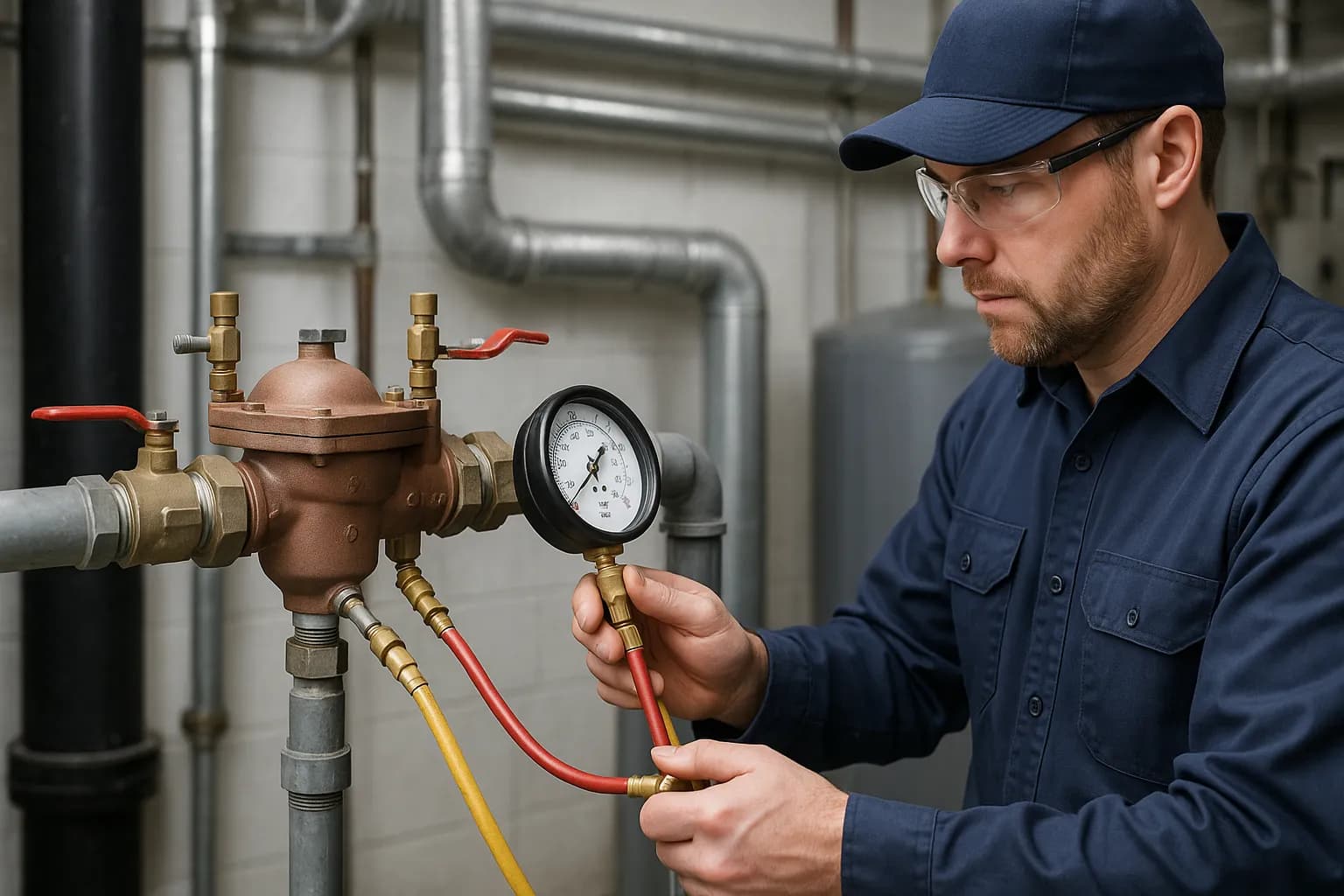
Facility managers should also verify whether the work scope triggers special standards or testing requirements. Backflow assemblies often require certified testing and documentation, and cross-connection control expectations are shaped by local water purveyor rules, EPA-aligned protection practices, and applicable ASSE or equivalent standards used by the AHJ. That is especially important in healthcare, food service, laboratories, and mixed-use properties where contamination risk and tenant liability are higher.

Workforce Development Is a Service-Level Issue, Not Just an Industry Issue
ASA and PHCC also emphasized workforce development during the fly-in.[6] For commercial properties, workforce shortages show up in very practical ways: slower response times, fewer available technicians for specialized equipment, reduced scheduling flexibility, and higher labor pressure on emergency work. When a building has multiple water systems, large-diameter drainage, gas piping, or complex pump and booster systems, the absence of skilled labor can extend outages and delay tenant occupancy.
This is especially relevant for facilities that depend on licensed and experienced contractors for mission-critical systems. A commercial water heater failure in a hotel, a lift station issue in an industrial building, or a backflow device replacement in a healthcare campus requires more than general plumbing knowledge. It requires technicians who understand the code path, the manufacturer requirements, and the documentation needed for inspection and warranty protection.
Owners and managers should treat contractor capacity as part of asset planning. If your preferred vendor only has one crew that can service a specific equipment type, that creates a single point of failure. Build redundancy into your service network, prequalify multiple contractors, and keep current records for testing intervals, emergency contacts, and prior inspection reports.
Supply Chain Resilience Directly Affects Project Costs and Downtime
According to ASA, the advocacy push also addressed supply chain resilience for plumbing materials.[6] For building owners, that can mean the difference between a routine repair and a prolonged outage. Lead times for valves, fixtures, pumps, backflow assemblies, specialty fittings, and commercial-grade water heaters can affect capital planning and emergency response. Even when labor is available, a delayed part can extend downtime and create avoidable tenant disruption.
Procurement teams should recognize that plumbing supply risk is not limited to new construction. Replacement of aging components in existing buildings often depends on exact-match parts, listed assemblies, or manufacturer-approved substitutions. If the original model is obsolete, the project may require redesign, a permit revision, or a change in approved materials. That is why asset inventories should include model numbers, installation dates, and warranty terms for major plumbing equipment.
For large campuses and multi-building portfolios, it is smart to stock high-failure or long-lead items where feasible and permitted, especially for systems that are hard to shut down. This can include pressure-reducing valves, solenoid valves, backflow parts, sump components, and control devices tied to critical operations.
Regulatory Pressure Means More Documentation and Better Vendor Oversight
ASA reported that lawmakers were briefed on regulatory pressures affecting contractors and distributors.[6] For commercial property stakeholders, regulatory pressure usually translates into more documentation, tighter sequencing, and greater accountability for the owner’s chosen vendors. OSHA requirements can affect safe access, confined-space procedures, lockout/tagout coordination, and site controls during plumbing work. Local AHJs may also require more detailed submittals, inspections, and test reports before a system can be placed back in service.
That means owners should expect more than a basic service ticket. High-quality contractors should provide scope clarity, permit coordination, product submittals, test documentation, and closeout records. If a contractor cannot explain how a repair aligns with the adopted IPC or UPC, the backflow standard, or the manufacturer’s installation instructions, that is a risk signal for the building.
Manufacturer warranties also matter in commercial settings. Many plumbing systems and devices have warranty conditions tied to correct installation, authorized parts, and documented maintenance. If a building team shortcuts the process to save time, it may end up paying more when a claim is denied or a repeated failure occurs.
What Property Managers and Facility Teams Should Do Now
The ASA-PHCC fly-in is a reminder that plumbing risk is interconnected: code, labor, materials, and regulation all influence building performance.[6] Owners and facility managers can reduce exposure by taking a proactive approach to system planning and contractor management.
- Review the adopted plumbing code and local amendments for every major project before bids are issued.
- Confirm whether the scope requires permits, inspections, and certified testing for backflow, grease, or gas-related work.
- Maintain an asset register for major plumbing equipment, including model numbers, installation dates, and warranty terms.
- Prequalify more than one commercial plumbing contractor for emergency response and specialty work.
- Ask vendors how they manage long-lead parts, substitutions, and inspection closeout documentation.
- Coordinate plumbing work with other building systems to minimize tenant disruption and prevent rework.
For portfolios with recurring service needs, these steps help reduce downtime and improve predictability. In commercial plumbing, the best time to manage a supply or compliance problem is before it becomes a shutdown.

Why This Story Matters for Commercial Plumbing Procurement and Planning
The lobbying effort described by ASA and PHCC shows that plumbing industry issues are being discussed at the policy level because they affect real-world delivery of services and materials.[6] For building owners and facility managers, the business impact shows up in budgets, schedules, and the reliability of essential systems. Whether the need is repiping, water heater replacement, backflow testing, drain cleaning, or a capital project, the most resilient properties are the ones managed with code awareness, vendor accountability, and planning discipline.
In practice, that means treating plumbing as a strategic facility function. The properties that perform best are typically the ones with clear standards, qualified contractors, and enough lead time to avoid panic buying and last-minute code issues.
Frequently Asked Questions
How do plumbing codes affect commercial project budgets?
Codes affect budgets by shaping material selection, permit requirements, inspection steps, and approved installation methods. In commercial properties, a code mismatch can create rework, delay turnover, and increase labor costs. For owners, the best cost control comes from early code review, jurisdiction-specific planning, and contractor submittals that match the adopted IPC, UPC, and local AHJ requirements.
Why is supply chain resilience important for facility managers?
Commercial plumbing systems depend on parts that may have long lead times or exact-match requirements. If a valve, pump, backflow assembly, or water heater is delayed, the result can be extended downtime and tenant disruption. Facility managers reduce risk by identifying critical spares, qualifying alternate suppliers, and tracking replacement lead times before an emergency happens.
What plumbing documentation should owners require from contractors?
Owners should require permits, inspection records, test reports, equipment submittals, start-up documentation, and warranty information for major commercial plumbing work. For backflow and cross-connection control, keep certified test documentation on file. Good records make it easier to pass inspections, support warranty claims, and manage future maintenance or tenant improvements.
How can building owners reduce risk during backflow or grease interceptor work?
Use contractors familiar with local code, ASSE-related testing requirements, and AHJ procedures. Coordinate shutdown windows in advance, confirm disposal or testing documentation, and verify that replacement parts or assemblies are approved for the application. In food service, healthcare, and mixed-use buildings, poor coordination can create contamination, compliance, and operational risks.
Related Reading on My Plumbing Tech
Find a Qualified Commercial Plumbing Contractor
Need help acting on this? Browse commercial plumbers in your area, or explore commercial plumbing services like preventative maintenance, inspections, and emergency response. Are you a contractor? List your business on My Plumbing Tech to reach property and facility managers actively searching for help.
Sources
Originally sourced from American Supply Association (ASA)