 My Plumbing Tech
Lift Station Maintenance: A Commercial Facility Manager’s Complete Guide
Quick Answers for Property & Facility Managers
How often should a commercial lift station be maintained?
Commercial lift stations should receive routine visual and operational inspections, with preventive service scheduled according to pump runtime, wastewater characteristics, manufacturer instructions, and local requirements. At minimum, verify alarms, floats, controls, check valves, isolation valves, pump performance, wet-well condition, and discharge piping on a documented schedule. Grease, wipes, grit, and high usage may require more frequent cleaning.
What is included in lift station maintenance?
Lift station maintenance includes inspecting the wet well, pumps, impellers, floats, level sensors, control panel, alarms, check valves, isolation valves, discharge piping, ventilation, and emergency power. The contractor should document pump amperage, flow or discharge performance, run times, alarm operation, debris or grease accumulation, and corrective recommendations. Confined-space work requires qualified procedures and rescue planning.
How can facility managers prevent lift station failure?
Prevent failures by combining scheduled inspections with condition-based repairs. Keep grease, wipes, rags, grit, and stormwater out of the sanitary system; test high-water and power-failure alarms; exercise accessible valves; clean the wet well before buildup affects floats or pumps; and maintain spare-parts and emergency-response plans. Review recurring alarms and pump runtime trends before they become an outage.
Why Lift Station Maintenance Matters in Commercial Buildings
A sewage lift station moves wastewater from below-grade fixtures or low-lying building areas to a gravity sewer or higher downstream connection. Offices, retail centers, healthcare facilities, warehouses, institutional buildings, and multifamily properties may depend on lift stations for restrooms, food-service areas, laundry rooms, loading docks, parking structures, and below-grade tenant spaces.
For facility managers, property managers, and commercial real estate professionals, lift station maintenance is a business-continuity program as much as a plumbing task. A failed pump can cause sewage backups, tenant complaints, odor, environmental exposure, equipment damage, business interruption, and potential sanitary sewer overflows. EPA guidance identifies periodic inspection of lift stations and manholes as necessary to identify fats, oils, grease, wipes, and other buildup that can cause blockages and malfunctions.[6]
Maintenance planning should be based on the station’s design, wastewater load, pump capacity, wet-well volume, inflow and infiltration, operating history, and consequences of failure. A healthcare campus or busy retail property generally requires a more rigorous program than a lightly occupied office building.
Lift Station Maintenance Inspection Checklist
Use a documented checklist for every inspection and retain records with the property’s plumbing, electrical, and life-safety documentation. A qualified commercial plumbing or pump contractor should evaluate:
- Wet well: Check liquid levels, sediment, grease, rags, wipes, corrosion, odors, structural condition, access covers, ladders, and hatch security.
- Pumps and impellers: Record pump starts, run time, amperage, vibration, unusual noise, seal leakage, discharge performance, and signs of clogging or reduced capacity.
- Level controls: Test floats, pressure transducers, ultrasonic sensors, lead-lag sequencing, high-level alarms, and backup controls.
- Discharge piping: Inspect accessible piping, supports, unions, flexible connectors, air-release arrangements, leaks, and signs of water hammer.
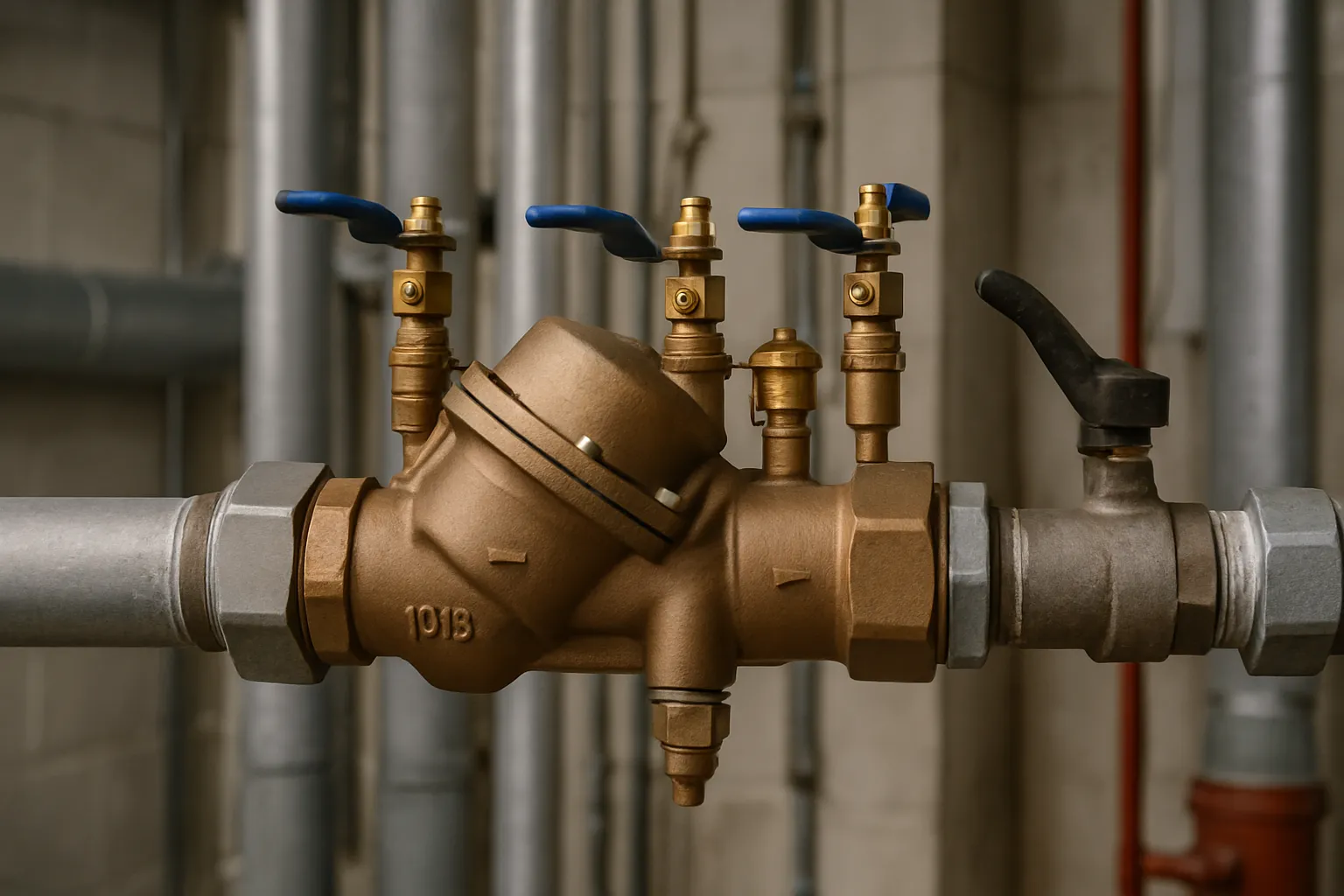
- Valves: Confirm that the check valve prevents backflow and that the full-open isolation valve operates and remains accessible. IPC-based provisions require access to these valves in sewage ejector and pump discharge piping.[4]
- Control panel: Review breakers, overload protection, disconnects, ventilation, corrosion, alarm indicators, telemetry, and documented electrical testing by qualified personnel.
- Emergency power: Verify generator or portable-generator connection provisions, automatic transfer operation where installed, fuel readiness, and emergency operating procedures.
- Site conditions: Check drainage, flood exposure, vehicle access, lighting, signage, fencing, and safe access for service contractors.
Step-by-Step Commercial Lift Station Maintenance Process
1. Review operating history and building conditions
Before dispatching a contractor, review alarm logs, pump starts, runtime trends, sewer complaints, water usage, tenant changes, grease-producing operations, and prior repairs. A sudden increase in starts or runtime can indicate a blocked impeller, failing pump, leaking check valve, inflow and infiltration, or increased occupancy.
2. Establish safe access and isolation
Lift stations can involve raw sewage, electrical hazards, falls, toxic gases, engulfment, and permit-required confined spaces. OSHA training materials identify atmospheric monitoring, ventilation, fall protection, lockout/tagout, upstream controls, personal protective equipment, and rescue planning as critical controls.[1] Property representatives should confirm that the contractor provides a site-specific safety plan rather than directing unqualified staff to open or enter a wet well.
3. Test pumps, controls, and alarms
Operate each pump through its normal sequence and verify lead-lag rotation, high-level alarm, audible and visual notifications, remote monitoring, and power-failure response. Compare measured performance with the original design data or prior service records. A pump that runs but no longer moves expected flow may still be failing because of blockage, wear, air locking, a damaged impeller, or a deteriorated discharge line.
4. Clean and inspect the wet well
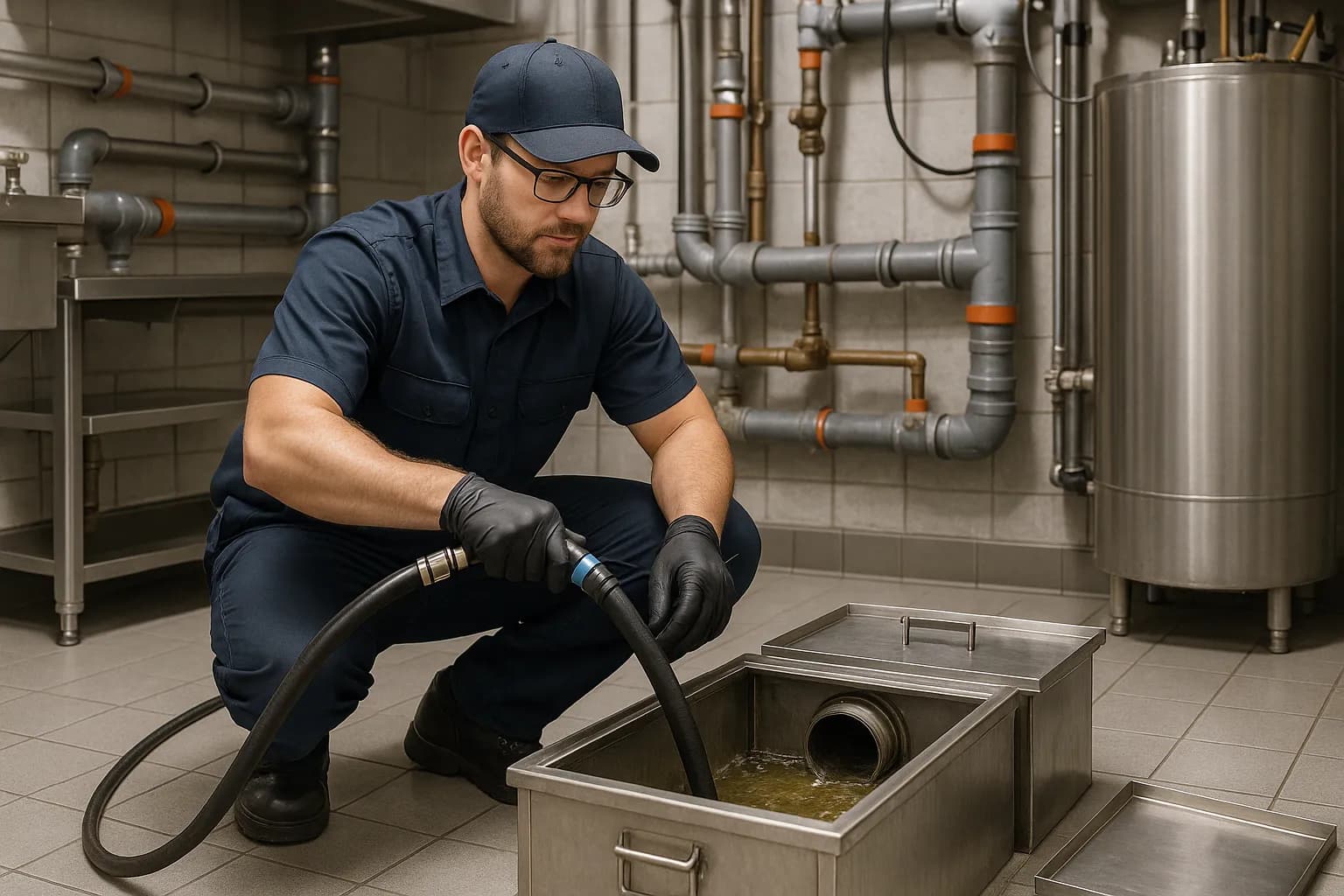
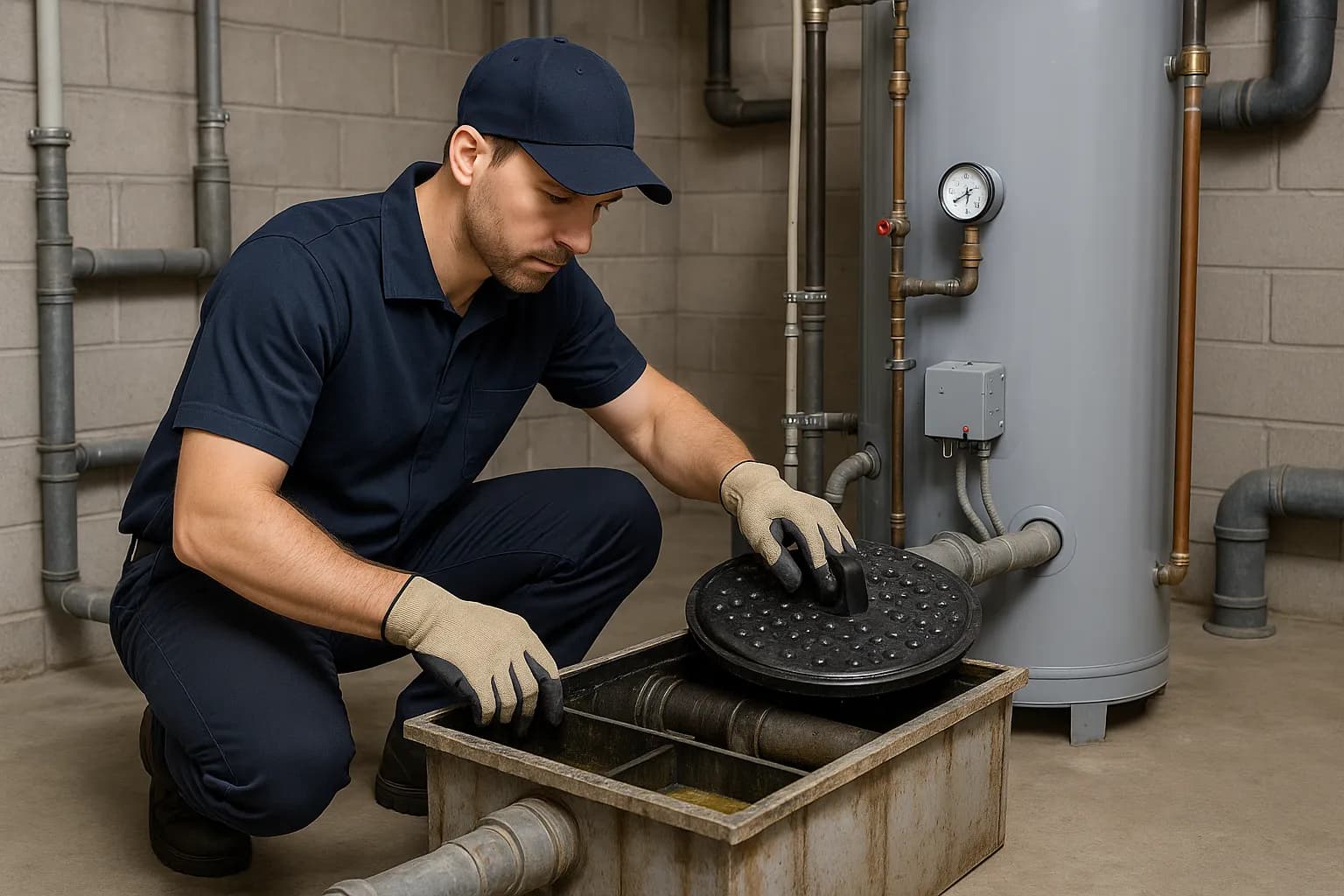
Remove accumulated grease, sediment, rags, wipes, and other debris using an appropriate vacuum or wastewater-cleaning method. Hydro jetting or sewer cleaning may be appropriate for connected drain and sewer piping, but jetting pressure and procedures must match the pipe material and system condition. Cleaning should not conceal a recurring source problem, such as an improperly managed commercial kitchen grease interceptor or illegal discharge of wipes.
5. Service valves, piping, and instrumentation
Exercise accessible isolation valves, test check-valve performance, inspect discharge connections, and verify that level controls are positioned and secured correctly. Correct inaccessible valves, missing identification, unsupported piping, damaged covers, and defective alarms through a documented deficiency plan.
6. Close out with records and recommendations
Require a service report listing inspection date, equipment identification, readings, deficiencies, photographs, parts used, wastewater disposal, safety issues, and recommended follow-up. Record whether each item is urgent, scheduled, or monitor-only. This documentation supports budgeting, insurance discussions, capital planning, and contractor accountability.
Coordinate Lift Stations With Other Commercial Plumbing Systems
Lift station reliability depends on upstream and downstream plumbing systems. Drain and sewer inspections should identify roots, collapsed pipe, grease, offsets, sediment, backwater conditions, and inflow from roof or site drainage. Camera inspection and targeted sewer cleaning can help determine whether recurring pump problems originate in the building drain or private sewer.
Water supply and distribution work can affect wastewater loading. Major tenant improvements, fixture additions, cooling processes, or process-water changes may increase discharge volume beyond the original lift station design. Coordinate capacity reviews with plumbing engineers before adding fixtures, healthcare equipment, commercial kitchens, or warehouse washdown systems.
Commercial water heaters and tankless systems should discharge through properly sized drains and indirect waste arrangements where required by the adopted plumbing code. Poorly managed relief-valve, condensate, or equipment drains can overload a lift station or introduce unexpected temperature and chemical conditions.
Backflow prevention protects the potable water system but does not replace sewage backflow protection. Where fixtures are below the relevant public sewer elevation, code provisions may require an accessible backwater valve.[4] Test and maintain backflow assemblies through qualified providers under the authority having jurisdiction’s requirements.
Grease interceptors are especially important for restaurants, cafeterias, hospitals, grocery operations, and food-production tenants. Confirm interceptor sizing, pumping frequency, manifests, inlet and outlet condition, and tenant practices. Gas piping is not part of the lift station, but commercial kitchens and emergency generators may share the same operational planning. Coordinate gas-appliance shutdowns, generator fuel systems, ventilation, and emergency access with plumbing and mechanical contractors.
Repair, Preventive Maintenance, or Full Replacement?
Use lifecycle and consequence-of-failure analysis instead of choosing solely on the lowest invoice. Preventive maintenance is usually the appropriate first investment when pumps, controls, wet wells, and discharge piping remain serviceable and failures are isolated. A targeted repair may include replacing a float, seal, check valve, impeller, control component, or alarm communicator.
Plan a larger rehabilitation when the station has repeated blockages, corroded structures, obsolete controls, deteriorated rails, undersized pumps, inaccessible valves, or chronic inflow and infiltration. Full replacement may be justified when repair costs approach the value of reliable remaining service life, when parts are unavailable, when capacity no longer matches the building, or when failure consequences are unacceptable.
- Maintenance budget: Schedule inspections, cleaning, alarm testing, electrical checks, and minor valve or sensor service.
- Repair budget: Correct identified component failures before they damage motors, flood occupied areas, or trigger emergency callouts.
- Capital budget: Evaluate pump replacement, control-panel modernization, wet-well rehabilitation, generator integration, capacity upgrades, and site flood resilience.
- ROI lens: Compare planned service and controlled downtime with emergency pumping, after-hours labor, tenant disruption, remediation, damaged inventory, regulatory exposure, and lost building use.
EPA flood-resilience guidance recommends planning for continued lift station operation during electrical outages, including appropriately sized and protected generator options.[2] Include flood elevation, generator access, fuel storage, telemetry, and manual operating procedures in capital reviews.
Commercial Lift Station Maintenance Action Plan
- Assign a property-side owner for lift station records, alarms, vendor access, and emergency decisions.
- Obtain current pump curves, equipment schedules, control-panel information, as-built drawings, and service history.
- Set inspection frequency using occupancy, wastewater characteristics, pump runtime, grease exposure, and failure consequences.
- Require documented testing of high-level, power-failure, and remote alarms.
- Keep wet-well cleaning, sewer inspection, grease-interceptor service, and backflow testing records together.
- Verify accessible check and isolation valves and correct code or maintenance deficiencies.
- Establish an emergency plan covering sewage backup response, temporary pumping, generator connection, tenant notification, and after-hours contacts.
- Request repair-versus-replacement proposals with labor, materials, access, outage, permitting, disposal, and lifecycle assumptions clearly separated.
A commercial plumbing marketplace can help property teams compare qualified contractors for inspection, pump service, sewer cleaning, control upgrades, emergency response, and full lift station replacement. The strongest proposal will connect technical findings to building risk, code compliance, operating continuity, and a defensible maintenance budget.
Frequently Asked Questions
What does lift station maintenance cost for a commercial property?
Cost varies with pump size, wet-well depth, wastewater composition, access, cleaning requirements, alarm technology, regional labor, and whether confined-space procedures are needed. Request a written scope that separates inspection, cleaning, parts, electrical testing, disposal, emergency power testing, and corrective work. Compare planned maintenance with the potential cost of sewage remediation, tenant interruption, emergency pumping, and accelerated equipment replacement.
Who should perform commercial lift station maintenance?
Use a licensed commercial plumbing, wastewater, or pump-service contractor with experience in sewage pumps, controls, wet wells, discharge piping, confined-space hazards, and the local authority’s requirements. Electrical work, backflow testing, gas piping, and structural repairs may require separate licensed specialists. Property managers should verify insurance, safety procedures, emergency availability, references from comparable buildings, and the ability to provide detailed service records.
How do grease and wipes affect lift station reliability?
Grease can coat pumps, floats, wet-well walls, and discharge piping, while wipes and rags can wrap impellers and block pump inlets. These materials increase cleaning frequency, reduce pumping performance, and can cause high-level alarms or overflows. Food-service tenants should maintain correctly sized grease interceptors, and building management should enforce policies that prohibit wipes, rags, oils, and unsuitable materials from entering sanitary drains.
What code issues should be reviewed during lift station maintenance?
Review the adopted plumbing code and local utility requirements for pump sizing, venting, access, discharge piping, check valves, isolation valves, backwater protection, electrical controls, alarms, and emergency power. IPC-based requirements commonly call for an accessible check valve and full-open valve on sewage pump discharge piping.[4] Existing systems should be evaluated by the authority having jurisdiction or a qualified design professional when alterations are planned.
When should a commercial lift station be replaced instead of repaired?
Replacement becomes more compelling when failures are recurring, controls or pump parts are obsolete, wet-well structures are deteriorated, capacity is inadequate, valves are inaccessible, or emergency consequences are severe. Compare the repair estimate with remaining service life, energy use, reliability, outage requirements, and capital improvements needed to meet current building demand. A phased rehabilitation may be preferable to replacing every component at once.
Related Reading on My Plumbing Tech
- Oatey Global Sourcing Leadership: What Commercial Plumbing Buyers Should Know
- Commercial Leak Detection: A Facility Manager’s Guide to Finding and Fixing Plumbing Leaks
Find a Qualified Commercial Plumbing Contractor
Need help acting on this? Browse commercial plumbers in your area, or explore commercial plumbing services like preventative maintenance, inspections, and emergency response. Are you a contractor? List your business on My Plumbing Tech to reach property and facility managers actively searching for help.