 My Plumbing Tech
Oatey Global Sourcing Leadership: What Commercial Plumbing Buyers Should Know
Quick Answers for Property & Facility Managers
What does Oatey’s new global sourcing leader mean for commercial plumbing procurement?
Oatey’s appointment of George Clowtis may affect supplier strategy, product availability, transportation, and supply-chain performance over time. Facility managers should not assume immediate changes, but should monitor lead times, approved-product lists, distributor inventory, and substitutions for active projects involving drainage, backflow, water distribution, and other Oatey-supplied plumbing components.
Should property managers change approved plumbing products because of this appointment?
No immediate change is required solely because of the leadership appointment. Property managers should continue using products that meet project specifications, applicable IPC or UPC requirements, manufacturer instructions, and AHJ approvals. Before accepting substitutions, require written technical documentation, warranty confirmation, engineer or design approval where applicable, and verification that installation and inspection requirements remain satisfied.
Oatey Names George Clowtis to Lead Global Sourcing and Logistics
Oatey Co. announced that George Clowtis has joined the company as senior vice president of global sourcing and logistics. Oatey said Clowtis brings more than 30 years of leadership experience in sourcing, procurement, logistics, and operations, including more than a decade with Associated Materials, where he most recently served as senior vice president of supply chain and procurement. The announcement identifies supplier strategy, supply continuity, transportation, logistics capabilities, supply-chain performance, Asia operations, and the Value Optimization Office as areas within his responsibility.[1][2]
For facility managers, property managers, and commercial real estate professionals, this is primarily a procurement and continuity development rather than an immediate plumbing-system change. Oatey products already specified for commercial drainage, solvent welding, firestop, roof drains, backwater protection, test equipment, and related applications should continue to be evaluated through the project’s normal technical, purchasing, and compliance controls.
Why Global Sourcing Matters to Commercial Plumbing Projects
Commercial plumbing work depends on more than the availability of pipe and fittings. A project may require coordinated delivery of drain, waste, and vent components; water-distribution accessories; backflow assemblies; floor drains; cleanouts; specialty repair parts; and approved sealants or joining products. A sourcing or logistics change can affect how quickly those components reach a distributor, jobsite, operating facility, or service contractor.
The potential business impact is greatest on projects with fixed shutdown windows, phased tenant improvements, healthcare infection-control requirements, industrial process needs, or large multifamily plumbing scopes. A delayed specialty component can extend a water outage, postpone an inspection, delay equipment startup, or leave a space unavailable for occupancy. The appointment does not establish that disruptions will occur, but it reinforces the value of disciplined procurement planning.
What Facility Managers Should Monitor in Oatey Product Supply
Facility and property teams should monitor operational signals rather than react to the executive announcement alone. Useful indicators include distributor lead times, order confirmations, back-order notices, minimum order requirements, product discontinuation notices, and proposed substitutions. Track recurring products used across domestic water, sanitary drainage, storm drainage, backflow prevention, and maintenance inventories.
- Confirm availability for long-lead or project-critical components before approving a shutdown or construction schedule.
- Maintain current manufacturer part numbers, approved alternates, technical data, and warranty records.
- Ask distributors whether quoted availability is on-hand inventory, allocated stock, or an estimated replenishment date.
- Separate routine maintenance stock from materials reserved for capital projects.
- Review emergency inventories for critical valves, repair fittings, drain components, backflow-test accessories, and compatible joining materials.
For office, retail, warehouse, industrial, healthcare, institutional, and multifamily properties, the appropriate inventory depends on the building’s systems, occupancy risk, maintenance history, and local service coverage. A national manufacturer announcement should not replace a site-specific critical-spares assessment.
Managing Substitutions Under IPC, UPC, and AHJ Requirements
If a specified product becomes unavailable, the replacement must be evaluated for more than dimensional compatibility. The International Plumbing Code, Uniform Plumbing Code, adopted state and local amendments, project specifications, and the local authority having jurisdiction may govern product listing, installation, access, testing, and inspection requirements. Permit documents and approved submittals may also restrict substitutions.
Backflow assemblies require especially careful review. Confirm the required protection level, assembly type, listing, installation orientation, test-port access, clearances, and testing requirements under the applicable jurisdiction and adopted standards, including relevant ASSE backflow standards. Cross-connection control programs may also impose requirements administered by the water purveyor or other authority consistent with EPA cross-connection-control principles.
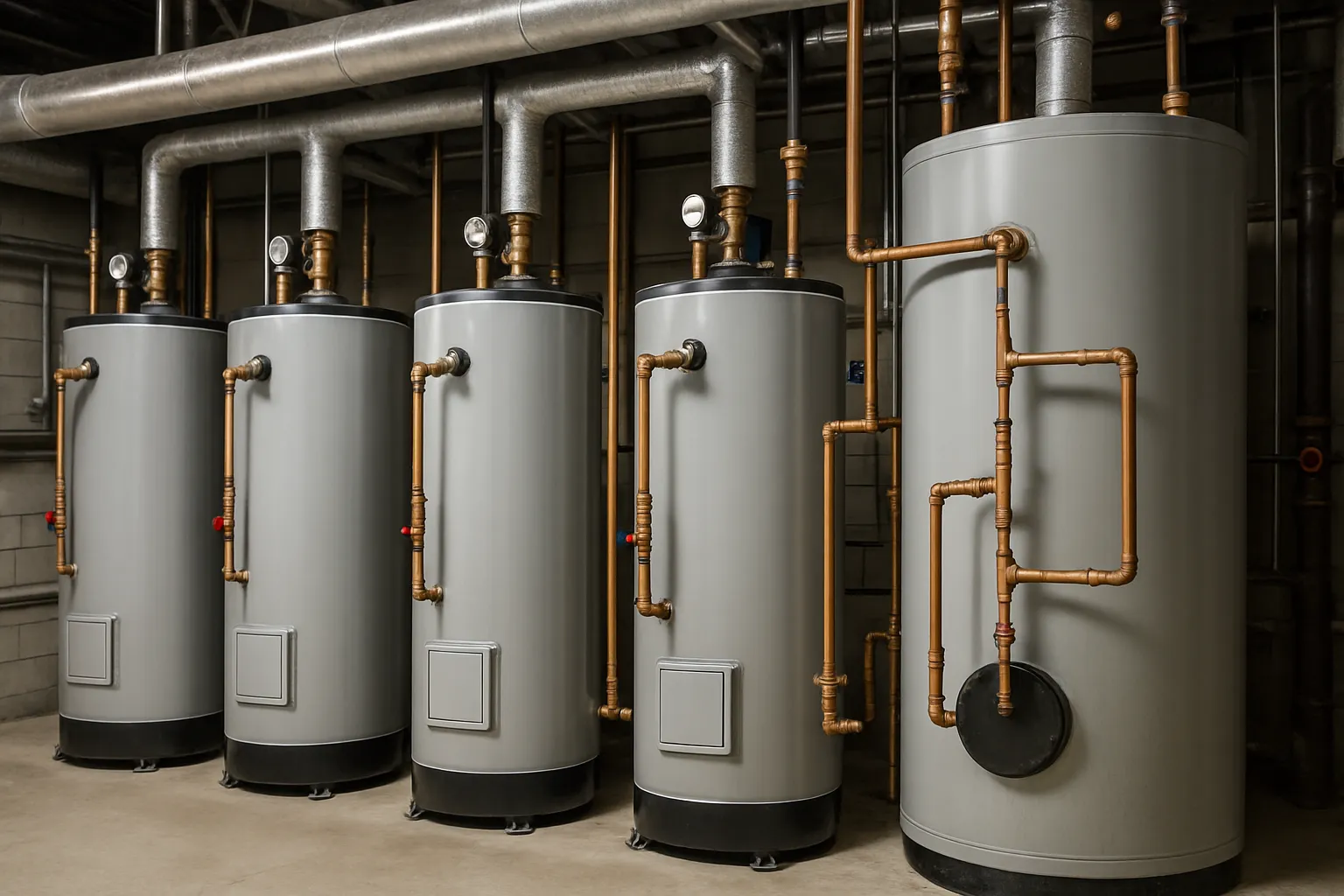
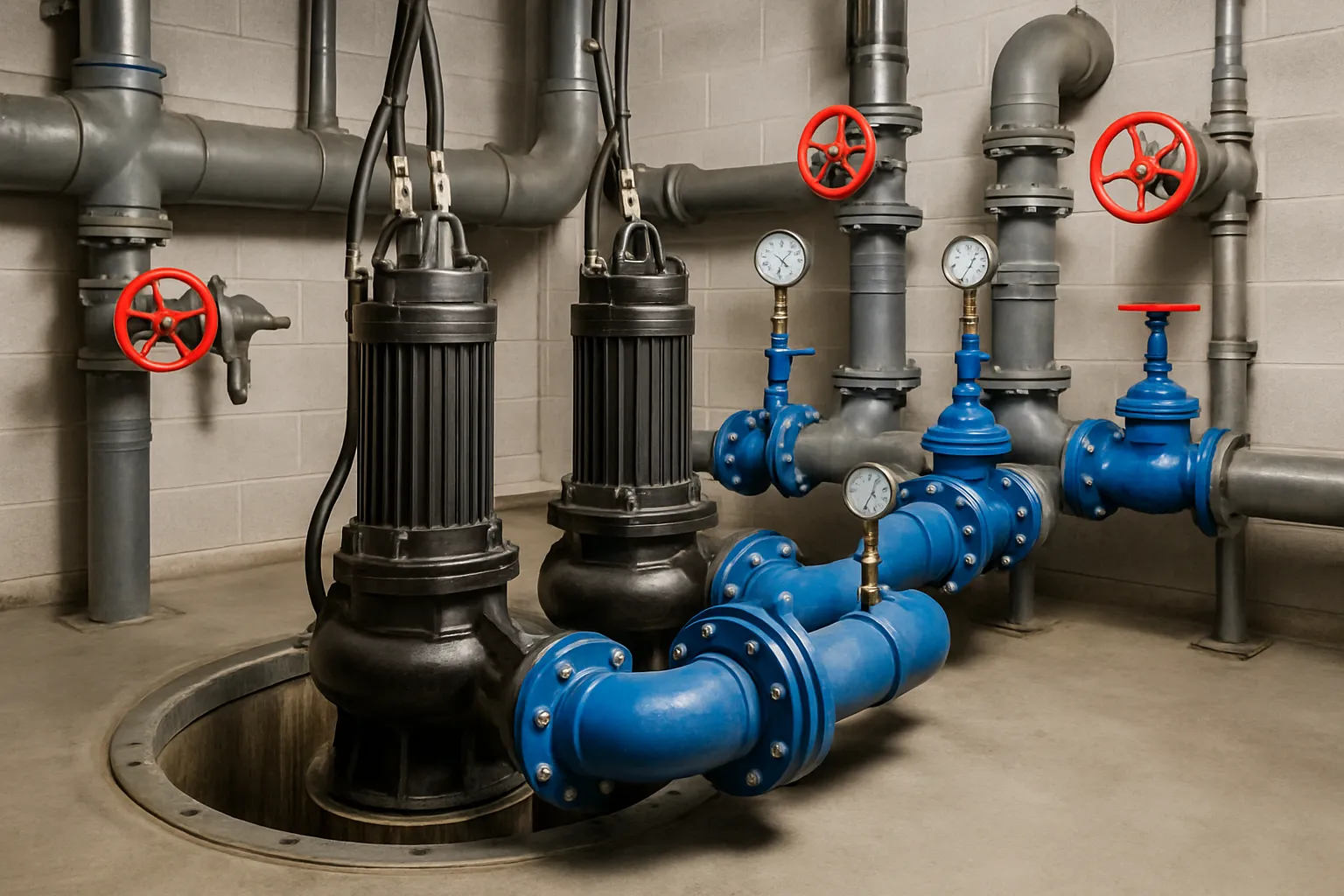
For drainage and sewer work, verify that replacement components maintain required sizing, slope, cleanout access, corrosion resistance, joining method, and listed use. For water heaters, booster pumps, sump systems, and lift stations, confirm electrical, controls, discharge, equipment, and manufacturer requirements in addition to plumbing-code compliance. Local permit and inspection requirements remain controlling.
Procurement Planning for Water, Drain, Sewer, and Specialty Systems
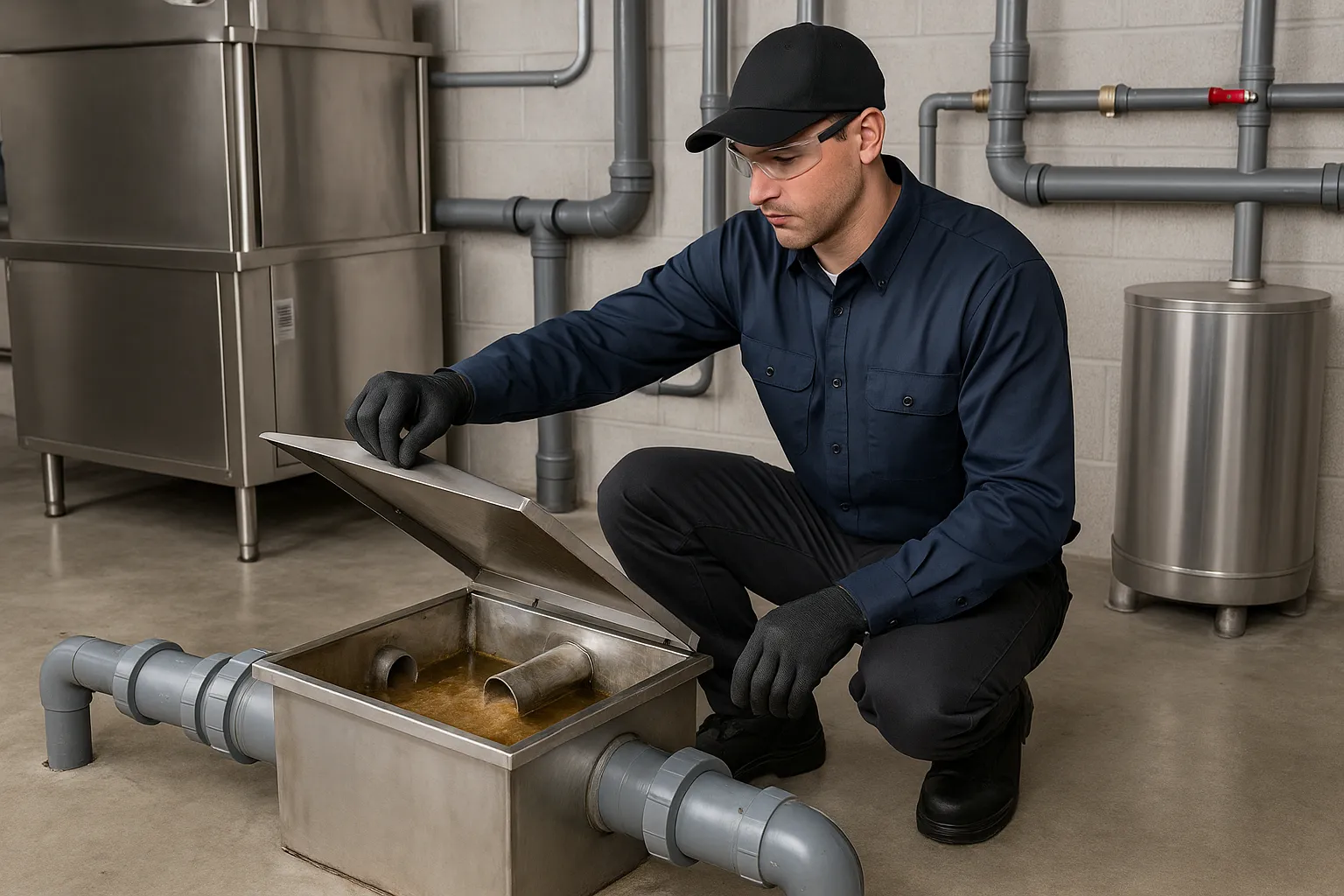
Commercial buyers should connect product sourcing to the system risk created by a delay. A domestic-water interruption may affect tenants, sanitation, food service, or healthcare operations. A sanitary sewer or lift-station delay may create environmental, occupancy, and business-continuity concerns. A failed grease-interceptor component can disrupt food-service operations, while a missing backflow part can delay testing or return-to-service approval.
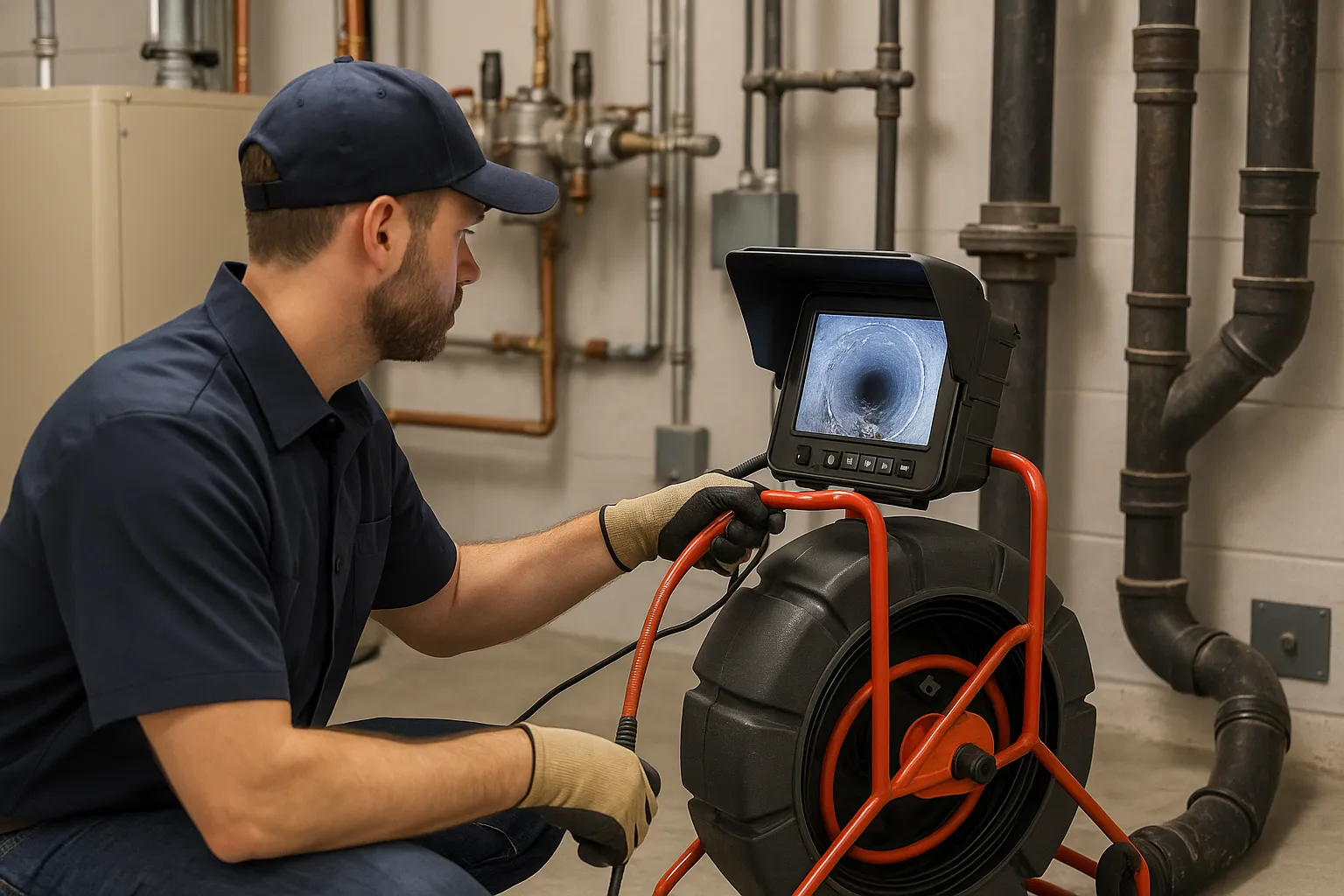
Before releasing a purchase order, identify the installation date, required inspection milestone, outage window, storage conditions, and acceptance criteria. For large repiping, sewer-line repair, hydro-jetting support, or equipment replacement projects, request a procurement schedule that distinguishes design-approved materials from field-selected consumables. This gives owners and managers visibility into risks before mobilization.
Manufacturers’ installation instructions and warranty conditions also matter. A substitute component, incompatible solvent cement, incorrect gasket, or unapproved repair method can affect warranty coverage and system performance even when the part appears physically compatible. Require contractors and suppliers to document compatibility and obtain design or owner approval where the contract requires it.
Action Plan for Property and Facility Management Teams
Oatey’s leadership announcement is a reasonable prompt to review commercial plumbing procurement controls, not a reason to replace functioning products or suppliers. A practical response includes the following actions:
- Ask active plumbing contractors and distributors to confirm current lead times for critical Oatey-supplied products.
- Identify projects with fixed inspections, tenant openings, healthcare shutdowns, or high-cost equipment downtime.
- Review approved-substitution language in construction contracts and maintenance agreements.
- Require written confirmation that substitutions satisfy specifications, IPC or UPC provisions, listings, warranties, and AHJ requirements.
- Update preventive-maintenance and emergency-stock records for high-consequence components.
- Escalate recurring availability issues through the owner’s procurement or capital-project team rather than making undocumented field substitutions.
When selecting a commercial plumbing contractor, ask how the firm manages material availability, submittals, code compliance, change orders, and documentation. A qualified contractor should be able to distinguish a procurement issue from a design issue and coordinate with the engineer, distributor, manufacturer, and AHJ when necessary.
What the Appointment Could Mean for Commercial Plumbing Buyers
George Clowtis’s role is intended to lead Oatey’s global sourcing and logistics functions and support supplier strategy, supply continuity, transportation, and overall supply-chain performance.[1][2] The company also stated that he will oversee Asia operations and the Value Optimization Office.[1] These responsibilities could influence future distribution efficiency and product availability, but the announcement does not provide a product-specific timeline, pricing forecast, or guarantee of changed service levels.
For commercial real estate professionals, the best response is measured: maintain approved specifications, verify availability early, document substitutions, protect code and warranty compliance, and align purchasing with building risk. Those controls help reduce delays across water-supply, drainage, sewer, backflow, pumping, and equipment projects regardless of which manufacturer or distributor supplies the final component.
Frequently Asked Questions
Could Oatey’s sourcing leadership change commercial plumbing product prices or lead times?
The announcement does not provide a pricing forecast or specific lead-time changes. Global sourcing and logistics leadership may influence supplier strategy, transportation, and supply-chain performance over time, but facility managers should rely on current distributor quotations and written manufacturer communications. For budget-sensitive projects, confirm validity periods, freight terms, allocation status, and approved alternatives before issuing purchase orders.
How should a facility manager handle an Oatey product substitution on a permitted project?
Treat the substitution as a controlled change. Compare listings, dimensions, materials, pressure or temperature ratings, installation instructions, and intended use. Then obtain the contractor’s technical submittal, design or engineer approval when required, owner approval, and AHJ confirmation if the permit or local process requires it. Preserve the approval and warranty documentation with the project record.
What commercial plumbing systems are most exposed to material-availability delays?
Exposure depends on the building and project, but specialty or schedule-critical components commonly include backflow assemblies, lift-station parts, booster-pump accessories, drain and sewer repair materials, commercial water-heater connections, grease-interceptor components, and repiping fittings. Risk is higher when a project has a narrow shutdown window, a required inspection, healthcare controls, or a tenant-occupancy deadline.
What should commercial buyers ask plumbing distributors after this announcement?
Ask whether quoted products are currently in stock, allocated, or awaiting replenishment; whether the part number is active; what approved alternatives exist; and whether pricing or freight terms could change. Also request expected delivery dates, documentation for substitutions, and confirmation that the proposed product meets the project specification, applicable plumbing code, listing requirements, and manufacturer warranty conditions.
How do IPC, UPC, and local AHJ requirements affect product substitutions?
The applicable code is the code adopted by the jurisdiction, including local amendments. IPC or UPC provisions may address materials, sizing, installation, drainage, water supply, equipment, and testing, while the AHJ controls permitting and inspection decisions. A substitute must also satisfy project specifications, listed-use requirements, manufacturer instructions, and any water-purveyor or cross-connection-control rules.
Related Reading on My Plumbing Tech
- Commercial Leak Detection: A Facility Manager’s Guide to Finding and Fixing Plumbing Leaks
- Nimlas Acquisition of Erling Olsen Strengthens Commercial Plumbing in Norway
Find a Qualified Commercial Plumbing Contractor
Need help acting on this? Browse commercial plumbers in your area, or explore commercial plumbing services like preventative maintenance, inspections, and emergency response. Are you a contractor? List your business on My Plumbing Tech to reach property and facility managers actively searching for help.
Sources
Originally sourced from Oatey Newsroom