
 My Plumbing Tech
Nimlas Acquisition of Erling Olsen Strengthens Commercial Plumbing in Norway
Quick Answers for Property & Facility Managers
What does Nimlas’s acquisition of Erling Olsen mean for commercial property managers?
Nimlas’s acquisition expands its Norwegian plumbing platform through Erling Olsen AS, a company serving sanitation, heating, sprinkler, service, maintenance, and larger project needs. Commercial property managers may benefit from a broader technical-services provider, while continuing to evaluate local availability, qualifications, response times, permits, inspections, and documented compliance for each project.
Will Erling Olsen AS continue operating after the acquisition?
According to the announcement, Erling Olsen AS will continue as a separate company under its existing name, with local management, employees, and customer relationships intact. For building owners and facility managers, this indicates continuity of the local operating organization, although service agreements, account contacts, pricing, insurance, warranties, and future project responsibilities should still be confirmed directly.
What plumbing services are relevant to commercial buildings in this expansion?
Erling Olsen provides commercial plumbing capabilities including sanitation, heating, sprinkler systems, service and maintenance, and larger project deliveries. These services can support office, retail, industrial, healthcare, institutional, and multifamily properties, subject to project scope, local licensing, applicable Norwegian requirements, authority approvals, and the qualifications of the selected contractor.
Nimlas acquisition expands Norway’s commercial plumbing platform
Nimlas announced on September 25, 2026, that it had entered into an agreement to acquire Erling Olsen AS in Tvedestrand, Norway. The transaction gives Nimlas its first pure-play plumbing company in Norway and follows the group’s 2025 acquisitions of Teca and Tekniskbureau as part of a broader plumbing and technical-services strategy.
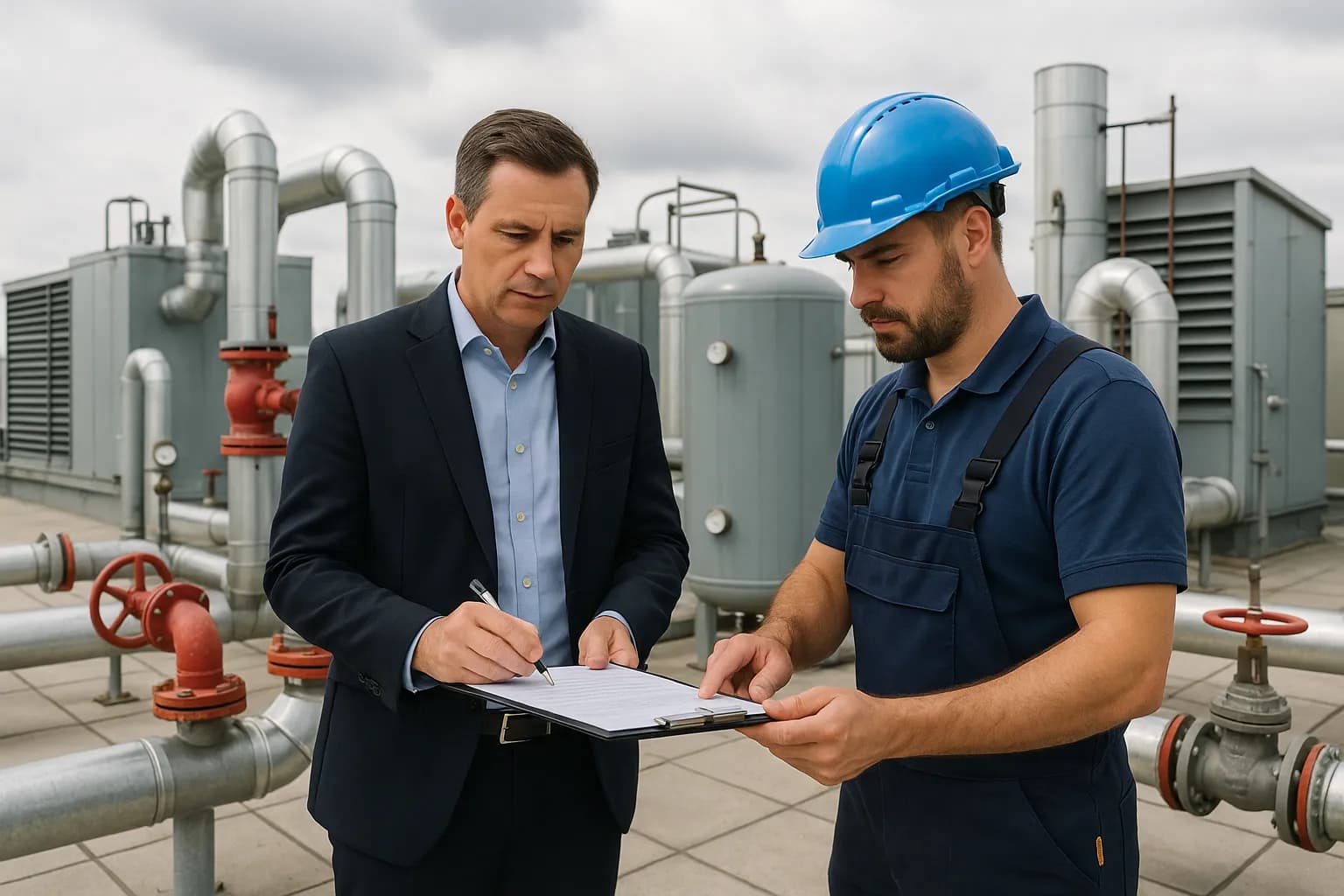
For facility managers, property managers, and commercial real estate professionals, the important issue is not simply the ownership change. The acquisition may affect how regional service capacity, project delivery, maintenance coverage, and technical coordination are evaluated across commercial portfolios. Any operational benefit will depend on local execution, contract terms, qualified personnel, and compliance with the requirements applicable to each property and project.
What Erling Olsen brings to commercial and industrial projects
Erling Olsen AS has provided plumbing services since 1962 and is described as an established provider in Southern Norway. Its listed services include sanitation, heating, sprinkler systems, service and maintenance, and larger project deliveries. The announcement also identifies commercial applications including office, industrial, and hospital projects.
That combination matters to managers responsible for buildings with interconnected systems. A commercial plumbing contractor may be involved in domestic water distribution, sanitary drainage, heating interfaces, sprinkler coordination, plant-room work, tenant improvements, equipment replacement, and planned maintenance. In healthcare and industrial properties, shutdown planning, infection-control procedures, process requirements, redundancy, and documentation can be as important as the installation itself.
Property teams should distinguish between a provider’s stated service portfolio and the specific capabilities required at a site. Before awarding work, confirm experience with the building’s water supply, drainage, hot-water generation, pumps, backflow or cross-connection controls, grease management, gas piping where applicable, and emergency response requirements.
Why local continuity matters to facility managers
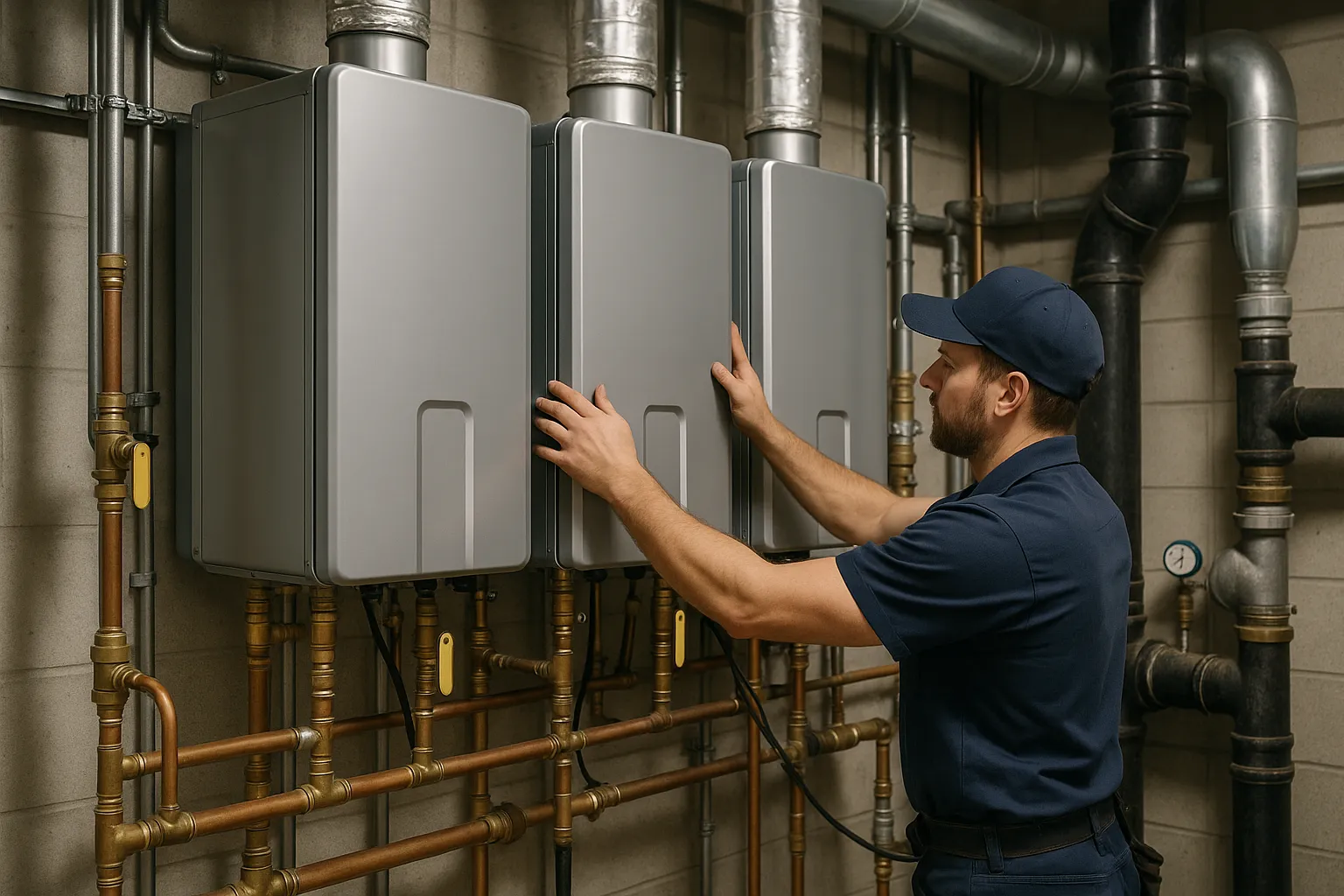
The announcement states that Erling Olsen will continue as a separate company under the same name, with its local management, employees, and customer relationships intact. Nimlas also says the company will retain its brand, culture, and local decision-making authority while gaining access to group expertise and support functions.
For a property manager, this suggests a potential balance between local accountability and larger-platform resources. Existing customers should nevertheless verify whether their points of contact, escalation procedures, billing arrangements, planned-maintenance schedules, warranties, and service-level commitments remain unchanged.
- Review active service agreements, framework agreements, purchase orders, and open change orders.
- Confirm who is responsible for defects, callbacks, warranties, commissioning records, and closeout documentation.
- Request updated insurance, licensing, safety, and subcontractor information where procurement policies require it.
- Clarify emergency contact routes and escalation coverage for water leaks, sewer backups, pump failures, and loss of hot water.
Compliance remains a project-by-project responsibility
An acquisition does not replace the compliance obligations attached to a commercial plumbing project. Managers must continue to require designs and installations that meet the governing Norwegian regulations, local authority requirements, approved plans, and applicable manufacturer instructions. The relevant rules may vary by building use, system type, municipality, fire strategy, and project scope.
For international owners and operators, North American references such as the IPC (International Plumbing Code), UPC (Uniform Plumbing Code), ASSE backflow standards, and EPA cross-connection-control principles can provide useful terminology, but they do not automatically govern a Norwegian project. The contract documents should identify the applicable local code, standard, authority having jurisdiction, permit pathway, inspection process, and commissioning requirements.
Where a project involves backflow prevention, specify the required device type, testing, records, and responsible parties. Where sprinkler systems, heating systems, or plant-room equipment are affected, coordinate plumbing work with fire protection, mechanical, electrical, and building-control requirements. Manufacturer warranties can also depend on correct installation, flushing, testing, water quality, access, and documented commissioning.
Implications for large commercial plumbing projects
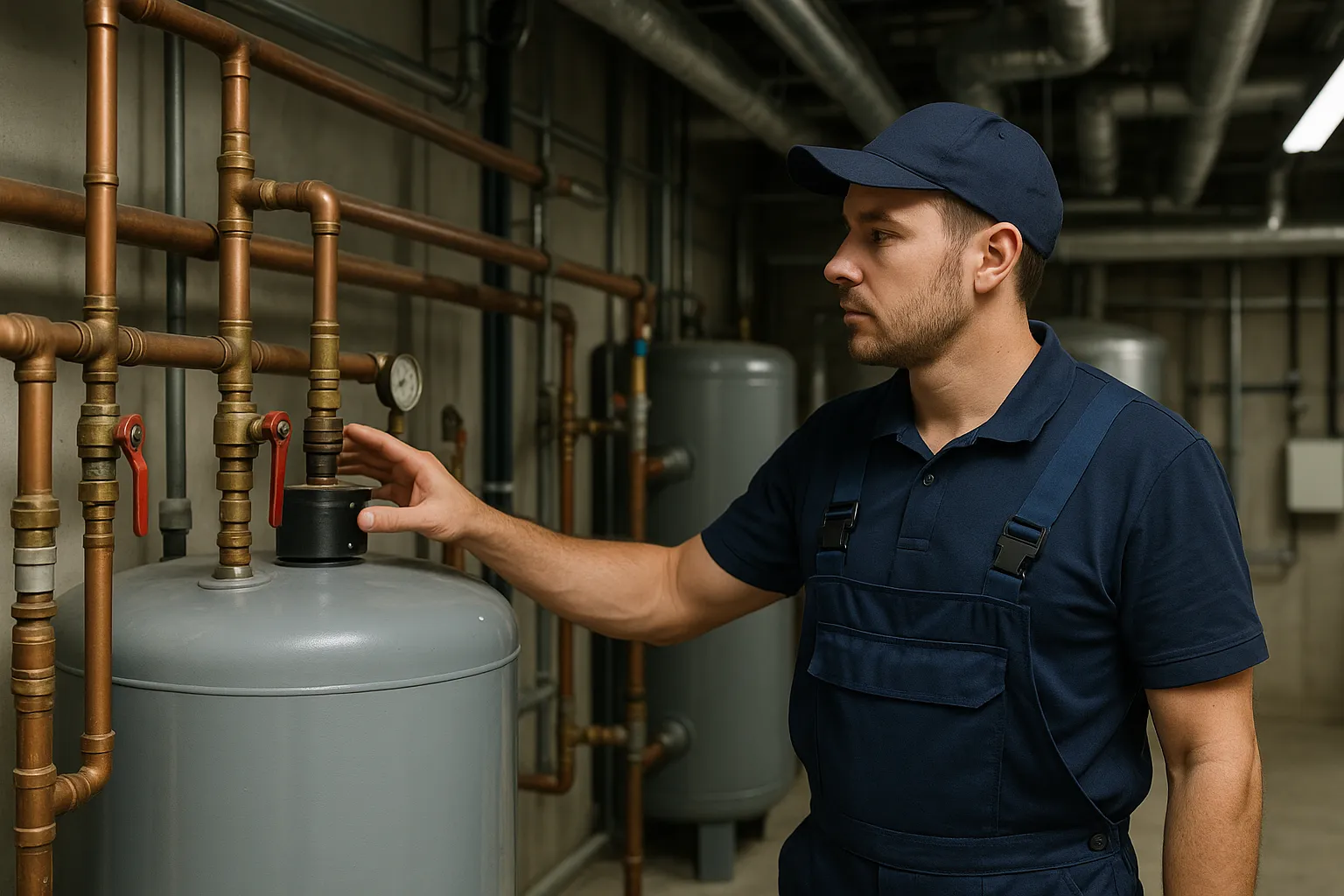
Erling Olsen’s reported work across larger project deliveries is relevant to owners planning renovations, new construction, hospital upgrades, industrial expansions, or major tenant fit-outs. Larger work typically requires detailed phasing, BIM or coordination processes where specified, shutdown controls, temporary services, quality documentation, and clear responsibility for interfaces between trades.
Facility managers should define operational constraints before procurement. These may include occupied-space work, infection-prevention controls, production downtime, critical water users, hot-water continuity, fire-protection impairment procedures, restricted access, noise limits, and after-hours work. A technically capable contractor still needs a site-specific execution plan that protects occupants and business operations.
For portfolio owners, the acquisition may create an opportunity to review whether regional plumbing work is being sourced consistently. A standardized qualification process can compare service coverage, response times, preventive-maintenance scope, reporting quality, permit management, safety performance, and total lifecycle value without assuming that one provider is suitable for every asset.
Practical due diligence for commercial property teams
Managers considering Erling Olsen, Nimlas, or another provider should evaluate the contractor against the actual risk profile of each building. The following questions help reduce friction before work begins:
- Does the contractor have documented experience with the property type, system configuration, and project scale?
- Can it provide condition assessments, asset registers, maintenance reports, test certificates, and closeout records?
- Who obtains permits, coordinates inspections, and communicates with the local authority or AHJ?
- How are shutdowns, bypasses, temporary water supplies, and emergency incidents managed?
- Which work is self-performed, and which work is assigned to subcontractors?
- How are manufacturer requirements, warranty conditions, testing, and commissioning documented?
- What measurable service levels apply to routine calls, urgent failures, and planned projects?
These checks are particularly important for healthcare, industrial, multifamily, warehouse, and institutional properties where plumbing failures can affect safety, occupancy, production, tenant operations, or regulatory obligations.
What the acquisition signals for Norway’s commercial plumbing market
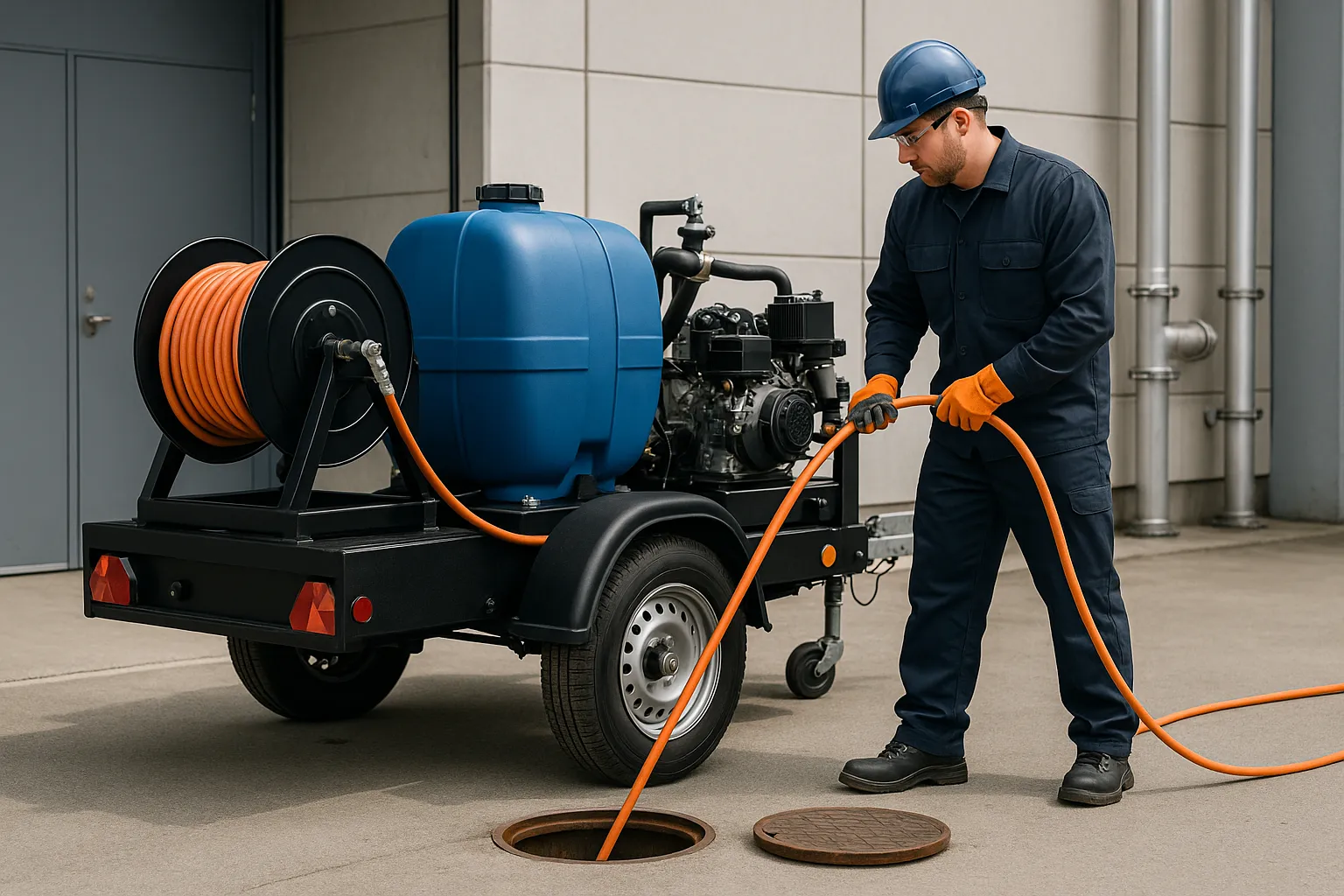
Nimlas’s acquisition indicates continued investment in plumbing and related technical disciplines in Norway. The company describes Erling Olsen as its first pure-play plumbing company in the country, strengthening its position in Southern Norway while adding established local capability.
For commercial real estate professionals, the market signal is most useful when translated into procurement and asset-management decisions. More organized technical-services platforms may offer broader regional resources, but buyers should continue to select contractors based on verified competence, local compliance, commercial references, transparent scope, and dependable operational support.
The immediate action is to update vendor records, confirm continuity with existing Erling Olsen contacts, and review upcoming plumbing projects against current contract, permit, safety, testing, and warranty requirements. Ownership structure may change; the facility manager’s responsibility for safe, compliant, documented building systems does not.
Frequently Asked Questions
How should a property manager evaluate a commercial plumbing provider after an acquisition?
Evaluate the provider at the property level rather than relying only on corporate ownership or brand recognition. Confirm local management, qualified personnel, relevant commercial references, insurance, safety procedures, permit and inspection responsibilities, emergency coverage, subcontractor controls, reporting standards, and warranty administration. For critical buildings, require a written service plan covering shutdowns, response times, testing, commissioning, and escalation.
Can a larger plumbing platform reduce commercial building maintenance costs?
Potentially, but savings are not automatic. A larger platform may improve access to technical expertise, coordinated project resources, and standardized support, while local continuity may preserve site knowledge. Measure value through lifecycle cost, preventive-maintenance quality, avoided downtime, documentation, energy and water performance, emergency response, and compliance risk—not simply the lowest quoted labor price.
What commercial plumbing systems should be included in vendor due diligence?
Review domestic cold- and hot-water distribution, sanitary and storm drainage, pumps, sump and lift stations, water heaters, backflow prevention, fire sprinkler interfaces, heating connections, grease interceptors, gas piping where applicable, leak detection, and building controls. The exact review should reflect occupancy, risk, local regulations, manufacturer requirements, and the property’s maintenance history.
Who is responsible for permits and inspections on a commercial plumbing project?
Responsibility should be stated clearly in the contract and confirmed with the applicable local authority or AHJ. Depending on the jurisdiction and scope, the owner, designer, contractor, or a combination may handle applications, inspections, testing, and records. Property managers should require a permit matrix, inspection schedule, approved documentation, and final closeout package before accepting the work.
How can facility managers protect occupants during major plumbing work?
Require a written phasing and risk-control plan before construction. It should address water shutdowns, temporary services, sanitary access, infection-control measures where relevant, fire-protection impairments, hot-work controls, confined or restricted areas, tenant communication, emergency restoration, and after-hours activity. Coordinate the plan with operations, security, tenants, the AHJ, and affected trade contractors.
Related Reading on My Plumbing Tech
- What Is Hydro Jetting? A Commercial Drain and Sewer Guide
- 2024 New Mexico Plumbing Code Adoption: What Facility Managers Need to Know
Find a Qualified Commercial Plumbing Contractor
Need help acting on this? Browse commercial plumbers in your area, or explore commercial plumbing services like preventative maintenance, inspections, and emergency response. Are you a contractor? List your business on My Plumbing Tech to reach property and facility managers actively searching for help.
Sources
Originally sourced from Cision